




The Foundation: Your Backpack and Rain Cover
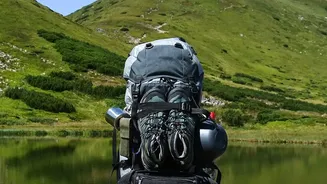
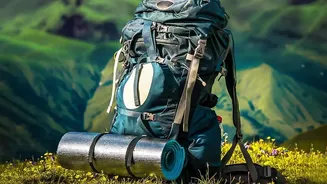
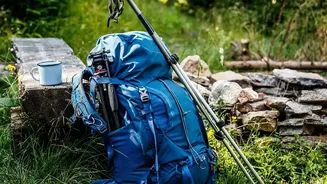
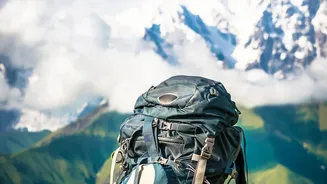
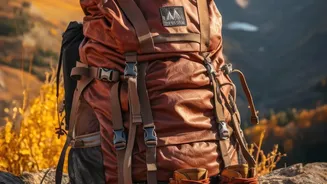
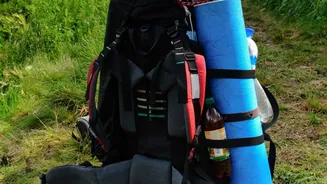
Your journey begins with the right backpack. Choose one with a capacity of 40-50 litres, which is typically sufficient for a 2-3 day trek. More importantly, ensure it has a dedicated rain cover. While a rain cover is your first line of defence, it's a mistake
to rely on it alone. During a heavy downpour, water can still seep through the back panel and soak your gear. Think of the rain cover as a shield, but the real waterproofing happens inside your pack. Before you even start packing, ensure the cover fits snugly and is free of any rips or tears.
Waterproofing: An Inside Job
The golden rule of monsoon trekking is to compartmentalise and waterproof everything internally. The most effective method is to use a large, heavy-duty plastic bag or a dedicated pack liner as the innermost layer of your backpack. Place this liner inside your empty bag, and then pack your belongings into it. This creates a barrier against any moisture that breaches the outer fabric. For further organisation, use smaller plastic bags or zip-locks to separate items like clothes, electronics, and toiletries. This not only keeps things dry but also makes them easy to find. Experienced trekkers often pack clothes in separate dry bags, which can be compressed to save space.
Clothing: Quick-Dry Synthetics Are Your Best Friend
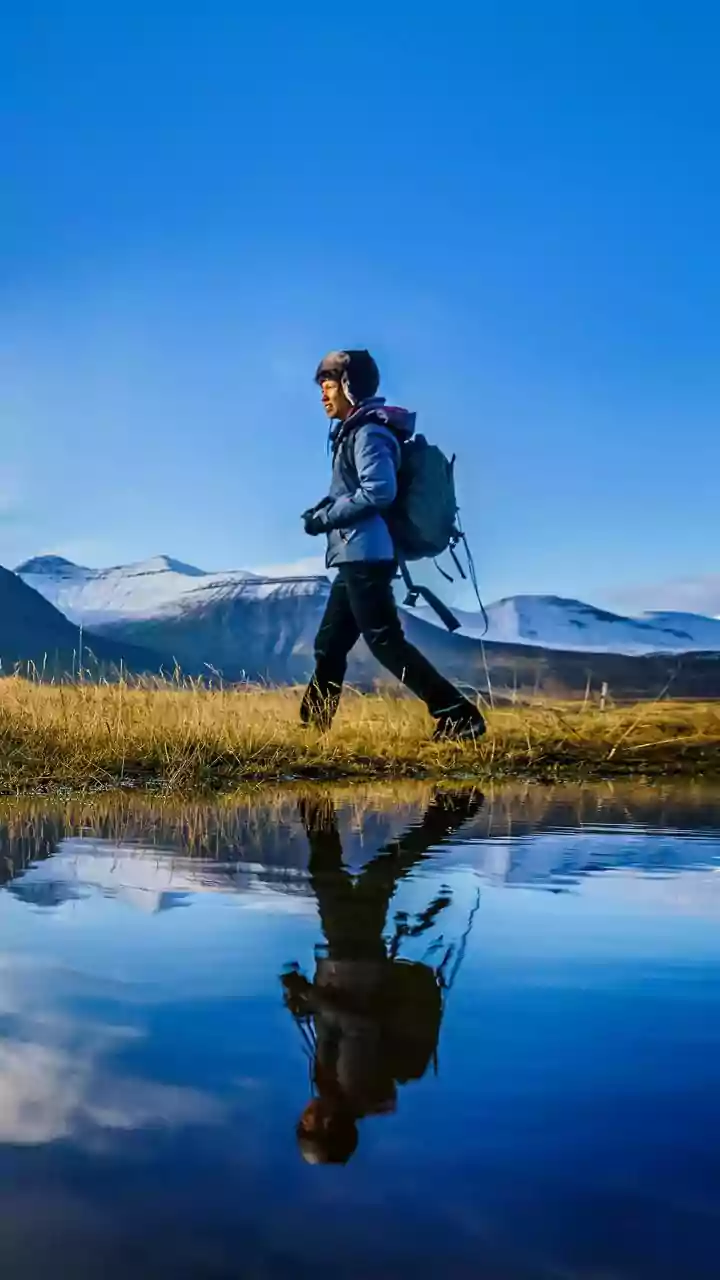
When it comes to clothing, one word is paramount: synthetic. Avoid cotton at all costs, as it absorbs moisture, becomes heavy, and takes a long time to dry, increasing the risk of hypothermia. Instead, opt for quick-drying polyester t-shirts and trekking pants. Layering is crucial for managing your body temperature. A base layer, a fleece jacket for warmth, and a waterproof, breathable outer layer (a good quality poncho or a rain jacket and pants) make up the ideal system. A poncho offers great ventilation and can often cover both you and your backpack. Always pack at least one extra set of dry clothes to change into at the campsite.
Footwear: Grip Over Absolute Waterproofing
The debate between fully waterproof boots and quick-drying footwear is a long-standing one. While waterproof boots with Gore-Tex lining can keep your feet dry from external water, they can also trap sweat and be slow to dry if water gets in from the top. Many experienced hikers prefer non-waterproof trail runners with excellent grip. These get wet easily but also dry out much faster. Regardless of your choice, a strong grip on slick, muddy trails is non-negotiable. Pair your shoes with synthetic socks, and avoid cotton. Carry a few extra pairs of socks, sealed in a zip-lock bag. For use at the campsite, a pair of lightweight floaters or sandals is a great addition, allowing your feet to breathe.
Health, Safety, and Navigation
A monsoon-specific first-aid kit is essential. In addition to the usual bandages, antiseptic wipes, and pain relievers, include salt or a sanitiser to deal with leeches, which are common in wet environments. Antifungal powder can help prevent skin issues caused by dampness. Carry a whistle for emergencies, a headlamp with extra batteries, and your personal medications in a waterproof bag. Even on well-marked trails, mist and rain can reduce visibility, so having a map of the area and a compass or a GPS device (with a protected power source) is a wise precaution.
Protecting Your Gadgets
Water and electronics don't mix. Your phone, camera, and power bank need special protection. A high-quality zip-lock bag is a good starting point, but for expensive equipment, consider a dedicated dry bag or a hard-shell waterproof case. Using silica gel packets inside your electronics bag can help absorb any ambient moisture. Keep your gadgets deep inside the core of your backpack, surrounded by soft items like clothes, to protect them from both moisture and impact.