



From 'Poor Man's Grain' to Urban Superfood
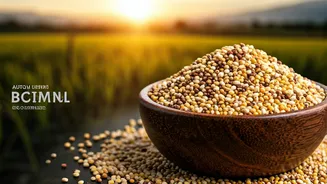
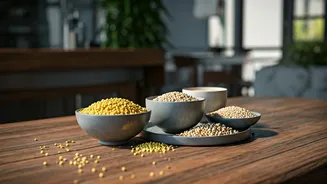
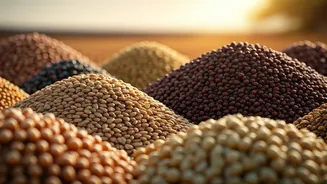
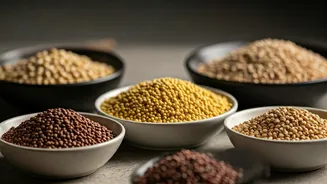
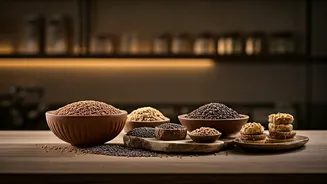
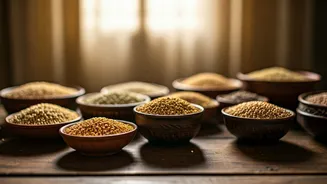
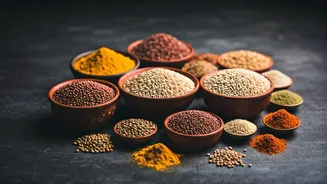
For generations, millets like jowar (sorghum), bajra (pearl millet), and ragi (finger millet) were fundamental to the Indian diet, especially in arid and semi-arid regions. Often dubbed "coarse cereals" or "the poor man's grain," they were gradually overshadowed
by the post-Green Revolution focus on high-yield wheat and rice. By some estimates, millets' contribution to the average Indian's cereal intake dropped from 23% in 1983 to just 6% by 2011. But now, the perception has flipped. Rebranded as "nutri-cereals" by the government in 2018 and championed through initiatives like the UN's International Year of Millets in 2023, these grains are being rediscovered by a new generation of health-conscious urban diners.
The Smart Choice for Health and Wellness
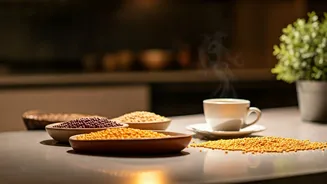
A huge driver of this comeback is health. Unlike refined grains, millets are nutritional powerhouses. They are naturally gluten-free, high in dietary fibre, and packed with essential minerals and protein. Ragi, for instance, is celebrated for its high calcium content, crucial for bone health. Bajra is a fantastic source of iron and protein, helping combat fatigue, while jowar is rich in antioxidants and helps manage bad cholesterol. Their low glycemic index means they release sugar into the bloodstream slowly, which helps maintain steady energy levels and is beneficial for managing diabetes. This aligns perfectly with a growing consumer mindset that prioritises functional foods over empty calories.
A Win for the Planet and the Farmer
The "smart" in this comeback isn't just about nutrition; it's also about sustainability. Millets are climate-resilient super crops. They require significantly less water than rice and wheat—some studies say 70-80% less—and can thrive in poor soil with minimal need for chemical fertilizers or pesticides. This makes them an environmentally friendly choice, especially in a country facing water scarcity and climate uncertainty. Their deep root systems also improve soil health and prevent erosion. By promoting millets, India is not just diversifying its food basket but also supporting a more sustainable agricultural model and enhancing the livelihoods of small and marginal farmers in dryland regions.
Chefs Unleash Culinary Creativity
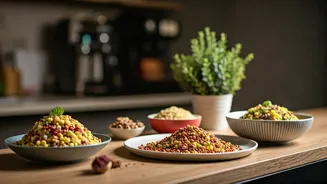
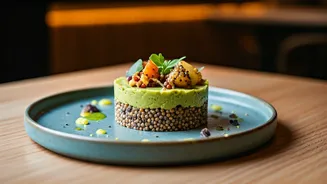
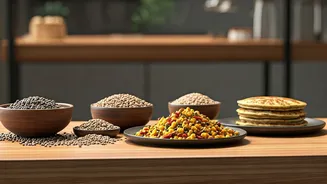
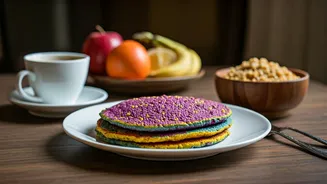
The real magic, however, is happening in the kitchen. Cafes and restaurants are getting creative, moving far beyond traditional rotis and porridge. Chefs are transforming millets into dishes that cater to modern palates: ragi-based pizza crusts, jowar wraps, millet risottos, and even decadent desserts like ragi brownies and jowar halwa. This culinary innovation is key to making millets approachable and exciting for a wider audience. Establishments like ITC Hotels have reintroduced cyclic millet menus, while chefs across the country are experimenting with millet crepes, pastas, and pulaos, proving that these ancient grains are incredibly versatile. This creative wave is turning a nutritional necessity into a culinary desire.