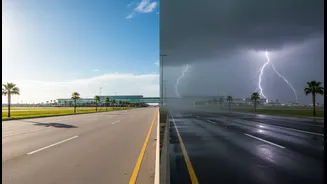








Start with Digital Diligence
Before your journey begins, your smartphone is your best friend. The single most effective strategy during monsoon season is to book morning flights, as delays tend to cascade throughout the day. Twenty-four hours before departure, check in online. This
not only secures your seat but also means you have one less queue to worry about. On the day of travel, constantly monitor your flight status using the airline's app. Airlines are required to provide meals for delays over two hours and may offer rebooking or refunds for significant disruptions, so staying informed is key. For an even smoother experience, register for DigiYatra. This facial recognition-based system allows for paperless entry and security clearance at many Indian airports, letting you bypass long queues entirely. Simply download the app, register with your Aadhaar, and upload your boarding pass.
Secure Your Documents
Misplaced documents can cause panic. Before leaving home, ensure your government-issued photo ID (like an Aadhaar card, passport, or driver's licence) is easily accessible. The name on your ID must exactly match the name on your flight ticket. For international travel, ensure your passport has at least six months of validity and that you have the necessary visas. It’s wise to have both physical and digital copies of all important documents. Take screenshots of your ticket, hotel confirmations, and visa. Store digital copies in your email, on a cloud drive, or in an app like DigiLocker, which is accepted at Indian airports. Having a digital backup ensures that even if you lose a physical document or your phone runs out of battery, you have another way to access crucial information.
Pack for Monsoon Mayhem
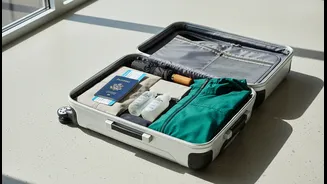
Monsoon packing requires a specific strategy. Opt for lightweight, quick-drying synthetic clothes instead of heavy cotton or denim, which take ages to dry in high humidity. It’s also smart to pack a spare set of clothes in your carry-on bag, just in case your checked luggage gets delayed. Protecting your electronics is crucial. Use waterproof bags or zip-lock pouches for your phone, passport, charger, and power bank. A sturdy, foldable umbrella and a waterproof cover for your backpack are non-negotiable accessories. When it comes to footwear, choose waterproof sandals with good grip over shoes that will trap water and take days to dry.
Plan the Journey to the Airport
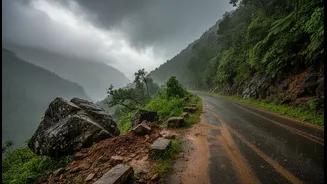
Monsoon rains can cause unpredictable traffic snarls, especially in major cities. Plan to leave for the airport much earlier than you normally would. It's better to have extra time to relax at the airport than to be stuck in traffic watching the clock. For domestic flights, aim to arrive at least two hours before departure, and three for international flights. Pre-booking your cab or choosing a reliable airport transport service can save you last-minute hassle. Check the traffic situation on a live mapping service before you leave to anticipate any major bottlenecks on your route. Giving yourself this buffer is the first step to a stress-free departure.
Consider a Travel Insurance Safety Net
While airlines are obligated to provide certain amenities during long delays, travel insurance can offer an extra layer of security. This is especially true for travel during the peak monsoon months of July and August. A good policy can cover expenses for trip delays or cancellations that fall outside the airline's responsibility, such as hotel stays and meals. When purchasing a policy, look for specific coverage for weather-related disruptions, missed connections, and baggage delays. For a relatively small fee, it provides peace of mind, ensuring that an unexpected downpour doesn't wash away your travel budget.