


More Than a Meal: The Meaning of Bhog
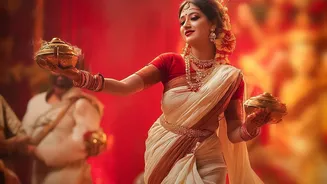
Before one can understand the magic of festive khichuri, one must first understand 'bhog'. The term refers to a food offering made to a deity during worship. This food is cooked with immense care and devotion, following specific rules of purity — most
notably, without any onion or garlic, making it 'niramish' or vegetarian. After being offered to the goddess, this sanctified food, now considered 'prasad', is distributed among devotees. It’s an act that transcends eating; it is seen as receiving a divine blessing, a way to purify the soul and strengthen faith. This tradition also fosters a powerful sense of community, as preparing and sharing bhog often brings people from all walks of life together in a spirit of unity.
The Inseparable Duo: Khichuri and Labra
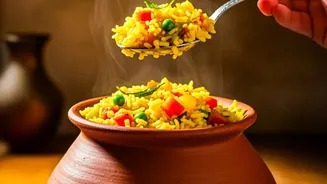
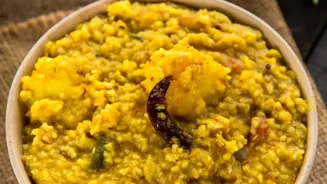
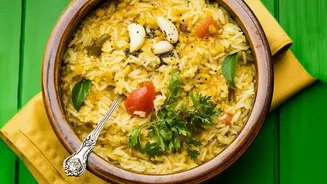
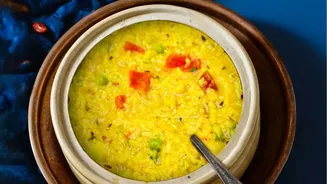
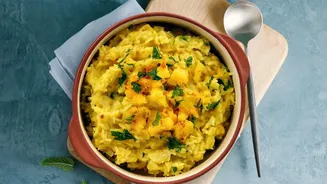
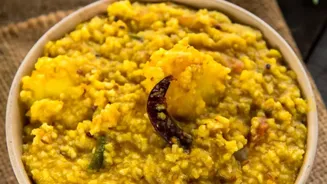
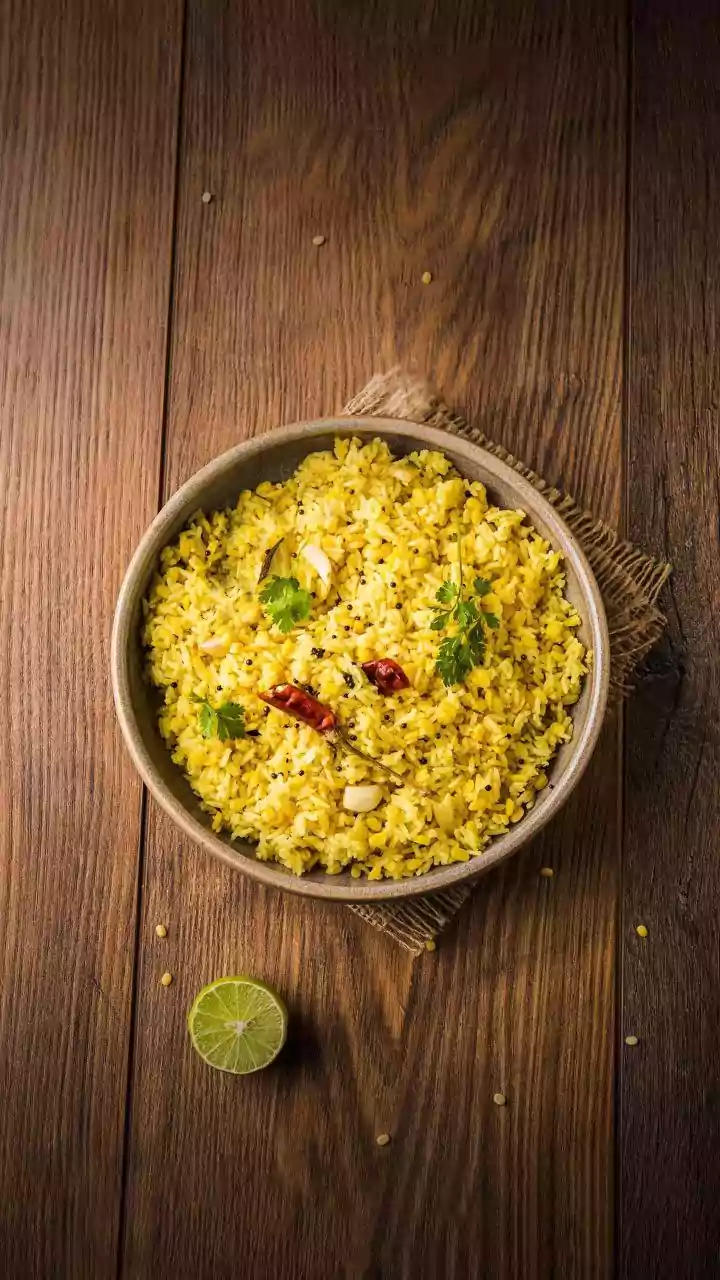
At the heart of any Bengali festive bhog platter are two inseparable companions: Bhoger Khichuri and Labra. Khichuri, a seemingly simple dish of rice and lentils, is elevated to an art form. It's typically made with fragrant, short-grained Gobindobhog rice and roasted sona moong dal, slow-cooked with vegetables and aromatic spices until it reaches a creamy, porridge-like consistency. A generous drizzle of ghee at the end gives it a divine aroma and flavour. Its perfect partner, Labra, is a sublime mixed vegetable curry. It's a medley of seasonal vegetables like pumpkin, eggplant, potatoes, and sweet potatoes, cooked with a traditional five-spice mix known as 'panch phoron'. The vegetables are cooked until they are soft and almost melting into each other, creating a dish that is both comforting and complex in flavour. Labra symbolizes unity and balance, reflecting the idea that various elements, like the different vegetables, can come together to create a harmonious whole.
A Symphony for the Senses
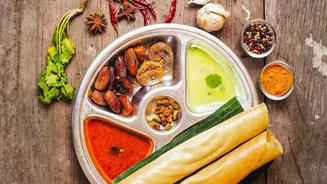
The joy of bhog recipes goes far beyond their spiritual significance; it's a deeply sensory experience. The process begins with the nutty aroma of moong dal being dry-roasted, a scent that immediately signals a special occasion. This is followed by the fragrant tempering of whole spices in mustard oil, which fills the home with an air of anticipation. For many, these smells are inextricably linked with cherished childhood memories of Durga Puja — waiting in line at community 'pandals' (temporary shrines) to receive a portion of bhog in an earthen bowl. The taste itself is a study in balance: the rich, savoury khichuri perfectly complemented by the slightly sweet and spicy labra, often served alongside crispy fried vegetables ('bhaja') and a sweet-sour chutney. This combination of textures and flavours creates a meal that is deeply satisfying and nourishing for both body and soul.
From Pandal to Home Plate
While traditionally associated with large community feasts during Durga Puja, the practice of making Bhoger Khichuri and Labra at home has gained prominence. Recreating these sacred recipes in a home kitchen is a way of bringing the festive spirit and divine blessings directly into the family. It’s an act of preserving and passing down traditions. The preparation itself often becomes a communal family activity, reinforcing bonds of love and camaraderie. For those living away from their hometowns, cooking these dishes is a powerful way to connect with their cultural roots and combat homesickness. It transforms the kitchen into a personal temple, a space where the simple acts of chopping vegetables and stirring a pot become a form of prayer and a celebration of identity.