


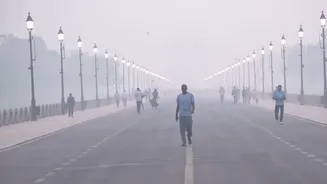
What is GRAP and Why is it Enforced?
The Graded Response Action Plan, or GRAP, is a set of emergency measures that are activated to combat rising air pollution in the Delhi-National Capital Region. It works in four stages, with restrictions becoming progressively stricter as the Air Quality
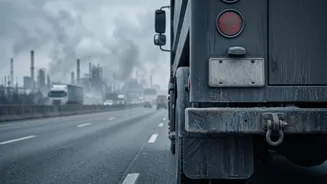
Index (AQI) worsens. Stage 1 is triggered when the AQI is in the 'Poor' category (201-300). On October 21, Delhi's AQI rose into this category, prompting the CAQM to enforce Stage 1 measures to prevent further deterioration of the air quality. The goal is to control pollution from sources like vehicles, road dust, and industrial emissions before the situation becomes more severe.
Are Any Vehicles Banned Under GRAP Stage 1?
Under the newly enforced Stage 1, there is no blanket ban on private cars or two-wheelers. However, the implementation of GRAP means stricter enforcement of existing rules. This primarily targets older, more polluting vehicles. The long-standing ban on petrol vehicles older than 15 years and diesel vehicles older than 10 years will be strictly enforced across Delhi-NCR. Authorities will increase checks for visibly polluting vehicles, which may be fined or impounded. While most personal cars can continue to operate, owners of older vehicles should be particularly cautious and verify their vehicle's registration date and compliance status.
What About BS-III and BS-IV Vehicles?
While Stage 1 does not impose a widespread ban, more severe stages of GRAP do include restrictions on specific Bharat Stage (BS) emission standard vehicles. Typically, under Stage 3, the government imposes strict restrictions on the plying of BS-III petrol and BS-IV diesel Light Motor Vehicles (LMVs) in Delhi and certain high-density districts of the NCR like Gurugram, Faridabad, Ghaziabad, and Gautam Budh Nagar. These restrictions are not yet in effect under Stage 1, but they serve as a warning of what's to come if air quality continues to decline. All vehicle owners should stay updated on the active GRAP stage.
Stricter Checks for PUC Certificates
One of the most significant changes for all drivers under GRAP Stage 1 is the intensified enforcement of Pollution Under Control (PUC) certificate norms. Driving without a valid PUC certificate can lead to heavy penalties. In previous years, fines for PUC violations during GRAP have been as high as ₹10,000. Furthermore, authorities have announced that a 'No PUC, No Fuel' campaign will be strictly enforced, meaning fuel stations will be directed to refuse fuel to vehicles that do not have a valid certificate. All drivers are advised to ensure their PUC certificates are up-to-date to avoid fines and inconvenience.
Other Key Traffic-Related Measures
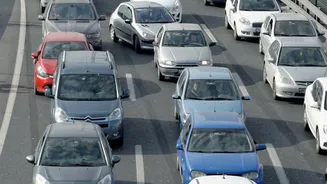
Beyond vehicle age and PUC checks, GRAP Stage 1 involves several other measures aimed at reducing traffic congestion and emissions. Traffic police will be deployed at key intersections to ensure a smooth flow of vehicles, and drivers are encouraged to turn off their engines at red lights. Additionally, non-destined truck traffic will be diverted away from Delhi using the Eastern and Western Peripheral Expressways to reduce the pollution load within the city. Authorities will also be monitoring inter-state buses to ensure they comply with emission standards, permitting only electric, CNG, or BS-VI diesel buses to operate within Delhi-NCR.