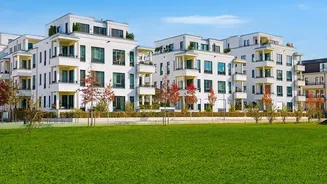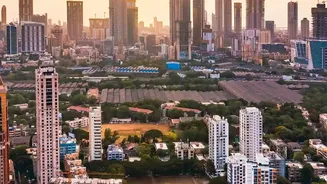








Why Redevelopment Is Reshaping Mumbai
Mumbai’s real estate market is undergoing a structural shift. With a scarcity of open land, developers are increasingly turning to redevelopment—demolishing old buildings to construct new, taller, and more modern residential towers. This model is gaining
momentum, with reports indicating a significant increase in redevelopment agreements being signed. Recent data shows that sales from redeveloped properties have even started to outpace new project launches, signalling strong buyer preference for homes in established neighbourhoods. For buyers, this trend opens up access to new inventory in well-connected areas with existing infrastructure like schools, hospitals, and transport links, which is a major advantage over peripheral developments.
The Buyer's Essential Due Diligence Checklist
Buying a home in a redevelopment project requires a different level of scrutiny compared to a standard new-build. The risk is higher, but it can be managed with thorough verification. First, investigate the developer’s track record, focusing on their history of completed redevelopment projects, not just launched ones. A financially stable developer with proven execution experience is crucial. Second, verify all legal documents. This includes the project's title deed, the Development Agreement between the society and the developer, and the building's sanctioned plans. Ensure there are no outstanding legal disputes connected to the property. It’s also vital to check if the project has received all necessary approvals, such as the Intimation of Disapproval (IOD) and Commencement Certificate (CC).
Understanding the Major Risks Involved
The most significant risk in any redevelopment project is delay. Projects can get stalled for years due to funding issues, regulatory hurdles, or internal disputes within the existing housing society. Buyers who purchase into a project that stalls can find themselves paying both rent and an EMI simultaneously, with no clear possession timeline. Another risk lies in the developer's credibility. Some builders lack the financial strength or experience to see complex redevelopment projects through to completion. Vague agreements are also a red flag. If the terms regarding the new flat’s carpet area, rent compensation during construction, and penalties for delays are not clearly defined, buyers are left vulnerable.
The Upside: Modern Homes in Prime Locations
Despite the risks, the rewards can be substantial. The primary advantage is getting a brand-new home with modern amenities and improved space planning in a location you already know and value. Redeveloped properties often feature better layouts, safety features, and amenities like parking and recreational facilities that older buildings lack. For those buying into a building before redevelopment is complete, there is also the potential for significant capital appreciation. You are essentially buying a future new flat at an old-building price, which can be a smart financial move if the project is well-vetted and proceeds smoothly.
How RERA Protects Your Investment
The Real Estate (Regulation and Development) Act, or RERA, has become a critical safety net for buyers. In Maharashtra, most redevelopment projects must be registered with MahaRERA. This registration brings crucial transparency, as developers are required to publicly disclose project details, including approved plans, specifications, and a firm completion timeline. RERA also mandates that 70% of the money collected from buyers must be kept in a separate escrow account, to be used only for that specific project's construction. This rule helps prevent developers from diverting funds and increases the likelihood of timely completion. The RERA portal serves as a public record where buyers can check a project’s status and a developer's complaint history.