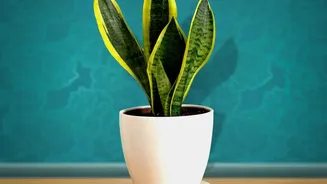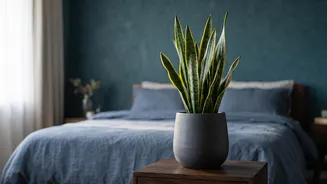




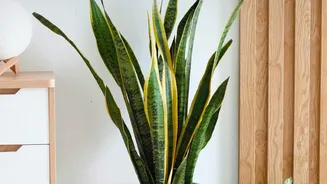
Snake Plant: The Oxygen Powerhouse
The Snake Plant, or Sansevieria, is arguably the most resilient and beneficial bedroom plant you can own. Its architectural, upright leaves make a modern style statement, but its real power lies in its air-purifying abilities. Unlike most plants, the Snake Plant converts
carbon dioxide into oxygen at night, making it the perfect companion for a good night's sleep. It is exceptionally effective at filtering common household toxins like formaldehyde and benzene from the air. Best of all, it's incredibly low-maintenance. This hardy succulent thrives on neglect, tolerates low light, and requires watering only when the soil is completely dry, making it ideal for busy individuals or beginner plant parents. Its ability to release oxygen and add moisture to the air can also help reduce the impact of airborne allergens.
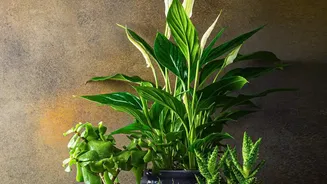
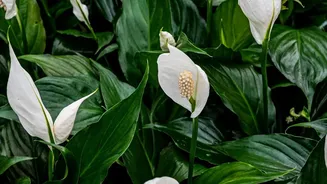
Peace Lily: The Elegant Humidifier
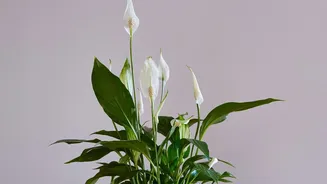
With its glossy dark green leaves and elegant white blooms, the Peace Lily (Spathiphyllum) brings a touch of sophistication to any room. It’s an excellent choice for Indian bedrooms, particularly in regions with drier air, as it helps increase indoor humidity. This plant is also a workhorse when it comes to cleaning the air, known for its ability to absorb toxins like ammonia, benzene, and formaldehyde. One of its most user-friendly features is its tendency to droop dramatically when thirsty, providing a clear visual cue that it’s time to water. It prefers bright, indirect light but is quite tolerant of lower light conditions, making it adaptable to various spots in an apartment. During the humid monsoon season in India, you'll need to water it less frequently to avoid root issues.
Money Plant: The Easy-Going Favourite
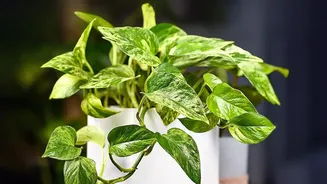
No list of Indian house plants is complete without the Money Plant (Epipremnum aureum or Pothos). Found in countless homes across the country, this trailing vine is famously easy to care for and is believed to bring good fortune. It's an excellent air purifier and thrives in a wide range of conditions, from low light to bright, indirect sunlight. You can grow it in soil or even just a bottle of water, changing the water weekly. Its heart-shaped leaves can trail down from a high shelf or be trained to climb, adding a lush, green feel to your bedroom decor. The most common mistake with a Money Plant is overwatering, so it’s best to let the top inch or two of soil dry out before watering again.
Areca Palm: The Tropical Purifier
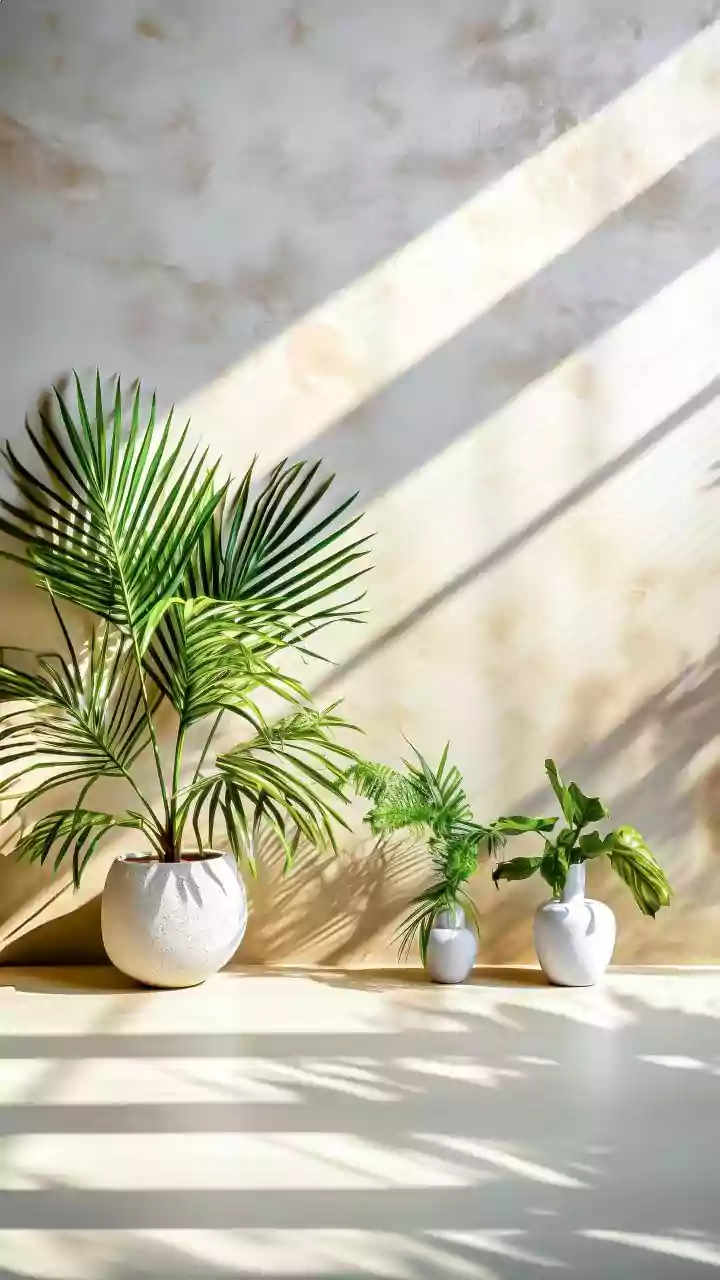
For those who want to create a tropical vibe, the Areca Palm (Dypsis lutescens) is an excellent choice. Its feathery, arching fronds add a sense of height and drama to a corner of the bedroom. Not just a pretty face, the Areca Palm is a powerful natural humidifier and air purifier, effective at removing indoor pollutants. It’s also non-toxic to pets, making it a safe option for households with cats and dogs. This plant prefers bright, indirect light and consistent moisture, so it's a bit more demanding than a Snake Plant but rewards the effort with its lush appearance. According to Vastu, placing it in the east or north can bring positive energy.
Spider Plant: The Resilient Propagator
The Spider Plant (Chlorophytum comosum) is another fantastic, low-maintenance option perfect for beginners. It is renowned for its air-purifying capabilities, filtering out pollutants like formaldehyde and xylene. With its gracefully arching leaves and the tiny plantlets (or "pups") that dangle from the mother plant, it looks especially beautiful in a hanging basket. These pups can be easily snipped off and planted to create new plants. The Spider Plant is adaptable to various light conditions and can tolerate occasional forgetfulness with watering. It also helps increase indoor humidity, which can be beneficial in air-conditioned rooms.