






What Is This Viral Creation?
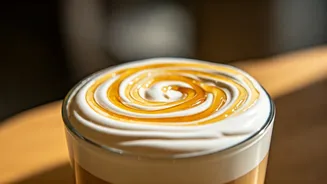
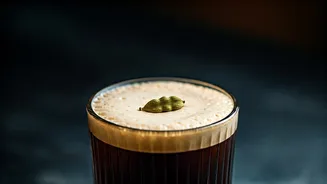
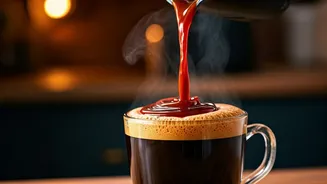
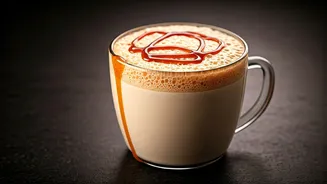
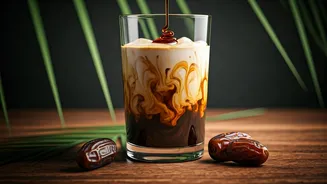
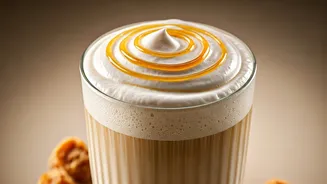
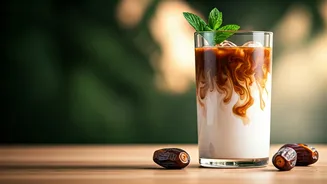
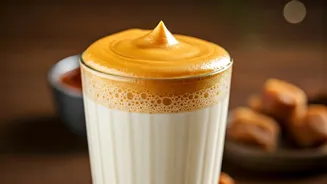
At its heart, the drink is deceptively simple. It’s typically a base of cold brew or iced coffee, topped with a thick, velvety layer of chilled milk that has been frothed into a stable, scoopable foam. The magic ingredient, however, is the liquid jaggery—or
nolen gur in Bengal, and patali gur in other forms—which is either drizzled on top or whisked directly into the foam. This creates a beautiful marbled effect and infuses the entire drink with a deep, molasses-like sweetness. Unlike hot steamed milk foam which dissipates quickly, cold foam is denser and holds its shape, slowly cascading into the coffee below as you sip. It transforms a simple morning coffee into a multi-layered textural experience.
A Marriage of Tradition and Trend
This trend isn't just about taste; it’s about cultural resonance. Jaggery is a cornerstone of Indian cuisine, a familiar comfort food associated with festivals, winter warmth, and grandma’s kitchen. For decades, it was seen as rustic, something to be replaced by ‘modern’ refined white sugar. In contrast, cold foam is a distinctly global café phenomenon, popularised by international coffee chains. The fusion of these two elements is what makes the drink so compelling. It takes a deeply traditional ingredient and places it in a contemporary, aspirational context. It feels both new and nostalgic, international and proudly Indian. It’s the culinary equivalent of wearing sneakers with a sari—a confident blending of identities.
Jaggery's Modern Glow-Up
The rise of jaggery cold foam is part of a larger movement: the rebranding of traditional Indian ingredients for a new generation. As urban Indians become more health-conscious and seek out ‘cleaner’ alternatives, jaggery has shed its old-fashioned image. It's now celebrated for being unrefined and retaining minerals like iron and magnesium that are stripped from white sugar. Cafés and food brands have been quick to capitalise on this, positioning jaggery not as a cheap substitute, but as a premium, flavourful choice. It’s popping up in gourmet desserts, craft cocktails, and now, specialty coffee. This drink is the perfect symbol of jaggery’s journey from the village market to the trendy urban café.
Beyond Sweetness: A Complex Flavour
One of the key reasons this works so well is that liquid jaggery is far more interesting than a simple sugar syrup. While sugar provides one-dimensional sweetness, jaggery offers a complex flavour profile. Depending on its origin—whether from palm or sugarcane—it can have smoky, earthy, caramel, and even slightly fruity notes. This depth of flavour pairs beautifully with the bitterness of coffee and the creaminess of the milk foam. It adds a sophisticated, nuanced sweetness that lingers on the palate. Every sip offers a different combination of bitter, sweet, and creamy, making the drink an engaging experience rather than just a quick caffeine fix.
Make It At Home: Your Guide
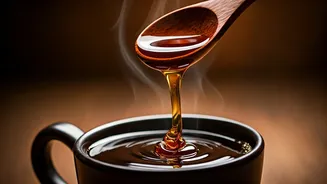
The best part is you don't need a fancy café to enjoy this trend. To make the liquid jaggery syrup, gently melt a piece of solid jaggery with a splash of water in a pan over low heat until it becomes a smooth, pourable syrup. Let it cool completely. For the cold foam, you don’t need a special machine. Pour about 100ml of cold, full-fat milk into a French press and plunge rapidly for about 30-45 seconds. Alternatively, use a handheld milk frother in a tall glass. The milk should double in volume and form a thick, stable foam. To assemble, fill a glass with ice and your favourite cold brew or chilled espresso shot. Gently spoon the cold foam over the top and finish with a generous drizzle of your homemade liquid jaggery syrup. Adjust the sweetness to your liking and enjoy the magic.