



The Automatic Rebooking Trap
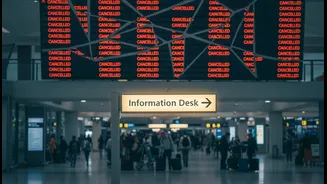
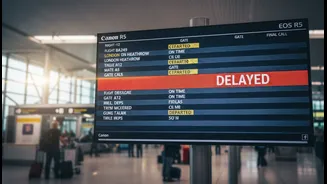
When an airline cancels a flight, their internal systems often get to work immediately to find you a new one. This automated process is designed to place you on the next available flight to your destination, often at no extra charge. The problem arises
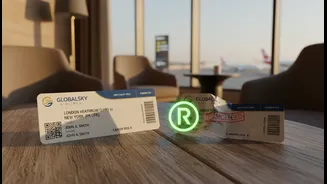
when you, the proactive passenger, jump online or on the phone to book a new flight yourself before the airline's system has finished its work. In this scenario, you are essentially racing against the airline's own solution. If you book a new ticket while the airline is simultaneously rebooking you, the system can end up creating two separate reservations under your name. This is particularly common during mass cancellations due to weather or technical issues, when airline systems and call centers are overwhelmed.
Why Two Tickets Become a Major Headache
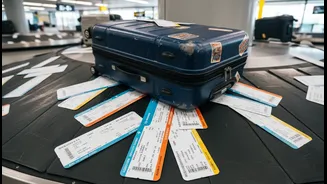
A duplicate booking isn't just a minor clerical error; it can have significant consequences. Airlines have policies against holding two identical or near-identical itineraries for the same passenger, often to prevent people from holding seats to get lower fares. When a duplicate is detected, an airline's system might automatically cancel one of the reservations. This could be the original, now-rebooked flight, or it could be the new one you just paid for. You are then left with one ticket, but you may have paid for two. Securing a refund for the second, non-refundable ticket can become a bureaucratic challenge. While airlines often have policies for refunding duplicate tickets, the process requires proving it was an accidental booking for the exact same traveler and itinerary, which can be complicated if the new flight you chose was slightly different.
Patience is Key: The Right Way to Rebook
The single most important thing to do after a cancellation is to pause. Before making any moves, wait for official communication from the airline via email, text, or their mobile app. This notification will often contain your new, automatically assigned flight details. If the proposed flight works for you, no further action is needed. If it doesn't, you are entitled to other options. According to the U.S. Department of Transportation, if an airline cancels a flight for any reason and the consumer chooses not to travel, they are entitled to a full refund. If you don't accept the airline's proposed alternative, you can request this refund or ask the airline agent to find a more suitable flight. By waiting for the airline's initial move, you work within their system, avoiding the creation of a messy and costly duplicate booking.
Strategically Navigating Customer Service
If the automatic rebooking doesn't suit your schedule, you will need to contact the airline. Start by using the self-service options in the airline's app or website, as phone lines can have long waits. If you must call, be prepared. Have your original booking reference number ready. When you speak to an agent, clearly state that your original flight was cancelled and you would like to explore alternative flights. Frame it as a change to the existing reservation, not a new purchase. Ask the agent to confirm that your original ticket is being re-issued for the new flight and that there will be no extra cost, unless you are voluntarily upgrading. This ensures you are modifying the original booking, not creating a second one.
What to Do If You've Already Made the Mistake
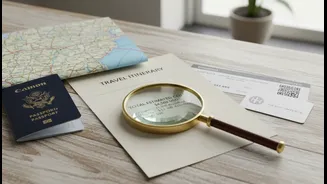
If you've already booked a second ticket in a panic, don't despair, but act quickly. Contact the airline's customer service or refund department as soon as possible. Explain that you made a duplicate booking for the same passenger and itinerary immediately following a cancellation. Most airlines have procedures for handling duplicate ticket refunds, but they often require the itineraries to be identical. Be polite but firm in your request. Gather all your documentation, including both ticket numbers or booking references and the original cancellation notice. Submitting your refund request promptly is crucial, as some policies have tight deadlines. While not guaranteed, many airlines will provide a refund in these situations once they verify the circumstances.