



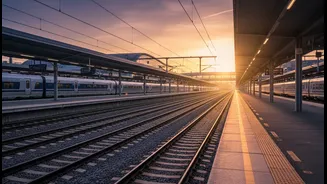



The Great Annual Migration
For millions of Malayalis living and working in cities like Bengaluru, Chennai, Mumbai, and Delhi, Onam is a powerful call to return home. This triggers a massive, temporary migration towards Kerala. Regular train tickets on these routes are often booked
solid months in advance, leaving a huge number of people desperate for a way to join their families for the harvest festival. Every year, Indian Railways announces special trains to manage this immense rush of passengers, a move that is met with both relief and scrutiny. This year, for instance, the government announced 100 special trains to cater to the Onam rush, highlighting the sheer scale of this annual movement.
A Question of Supply and Demand
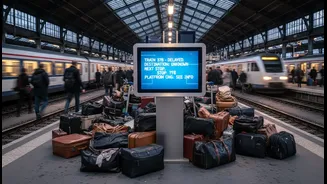
Despite the announcement of special services, the core issue remains a classic case of demand far outstripping supply. Passenger associations and commuters consistently point out that the number of special trains is often inadequate to meet the needs of the lakhs of people trying to travel. This gap creates a frantic scramble for tickets the moment they are released, with online portals often crashing under the load. The situation leaves many stranded or forced to seek alternative, often much more expensive, modes of transport like private buses, where fares can double or even triple as the festival nears. Railway officials cite logistical constraints like the availability of rakes and crew, and the challenge of fitting these extra services into a crowded national timetable without delaying regular trains.
The Controversy Around Fares
A significant point of contention each year is the cost of these 'special' services. Many of these trains operate under a dynamic pricing model, similar to 'Suvidha' trains, where fares increase as demand grows. This often results in ticket prices that are substantially higher than regular fares, sometimes approaching the cost of air travel. While the Railways has maintained that this is a long-standing practice to manage demand and that passenger services are generally subsidised, it leads to annual public outcry. For the common person, many of whom are travelling with their families, the perception is that the national transporter is capitalising on their need to get home for a festival, turning a journey of joy into a source of financial stress.
From Regional Plea to National Pattern
What was once seen as a largely regional issue concerning Kerala is now understood as a national phenomenon. The Onam travel rush is a mirror image of what happens during Chhath Puja for people travelling to Bihar and Uttar Pradesh, Durga Puja for West Bengal, and Diwali across northern India. These festival migrations are a testament to the reality of modern India: a country on the move. Millions of people work as internal migrants, living in economic hubs while maintaining deep cultural and familial ties to their home states. The annual saga of festival trains is a powerful indicator of these national patterns of movement, economic aspiration, and cultural connection.