




Setting Up for Success: Pots and Soil
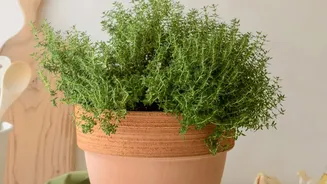
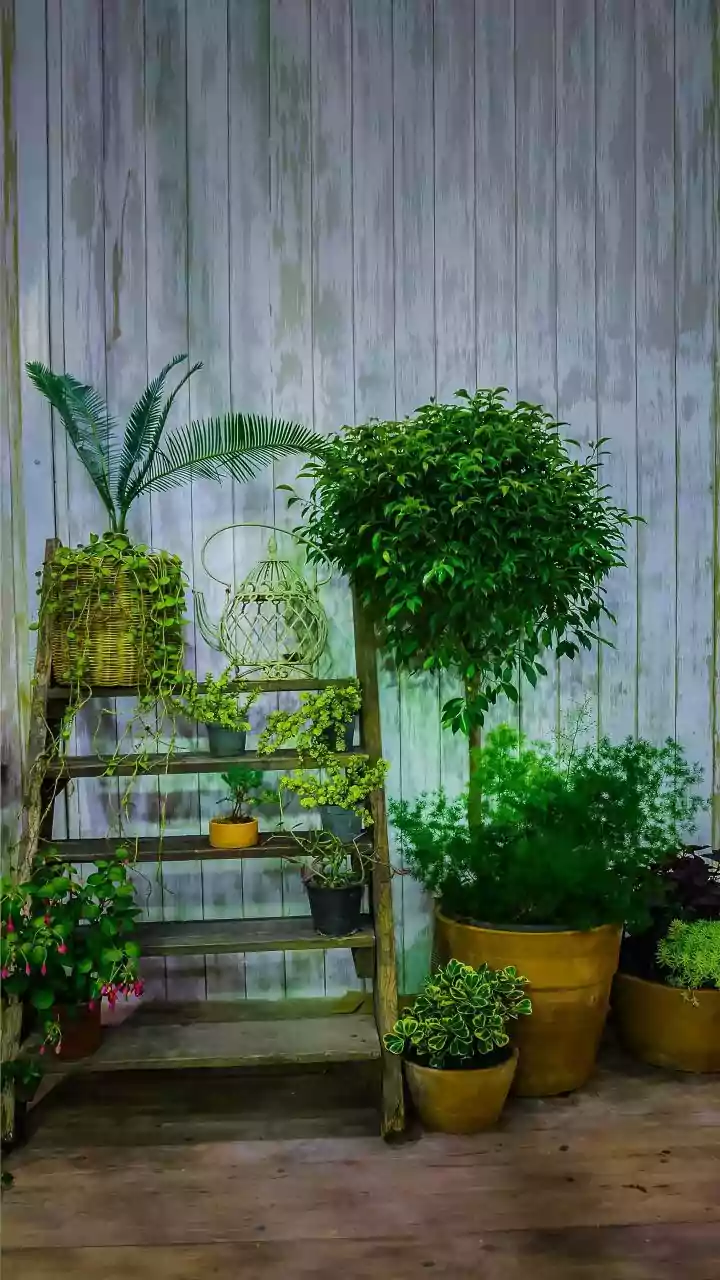
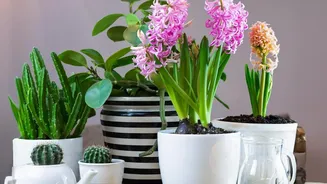
Before you begin, the right foundation is key. Choose pots that are at least 6-8 inches in diameter to give roots enough space. Drainage is non-negotiable; ensure every pot has holes at the bottom to prevent waterlogging, which can lead to root rot. Terracotta
pots are a great choice as they are porous and allow soil to dry out evenly. For the soil itself, avoid using heavy garden soil, which compacts easily in pots. A high-quality, lightweight potting mix is ideal. You can buy a pre-made mix or create your own by combining garden soil, compost (like vermicompost), and coco peat for aeration and moisture retention. This combination provides the drainage and nutrients that herbs need to thrive indoors.
Caring for Tulsi (Holy Basil)
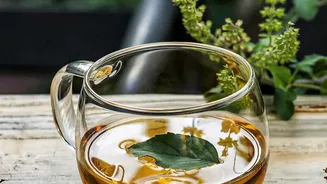
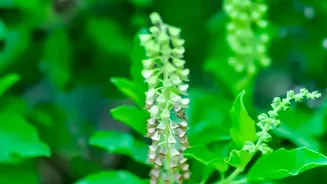
Tulsi, or Holy Basil, is revered in many Indian households and is a wonderful plant to grow indoors. Its biggest requirement is sunlight. Tulsi needs at least four to six hours of direct sunlight daily to flourish, so a south-facing windowsill is the perfect spot. If you lack sufficient natural light, consider using a grow light for at least 8 hours a day. Water your Tulsi plant when the top inch of soil feels dry to the touch, and water until it drains from the bottom. Be careful not to overwater, especially in winter when the plant's growth slows. Tulsi is sensitive to cold drafts, so keep it away from open windows and in a spot where temperatures stay consistently warm, ideally between 18°C and 24°C. Regularly pinching off the flower heads (manjiri) will encourage the plant to become bushier and produce more leaves.
Growing Prolific Mint (Pudina)
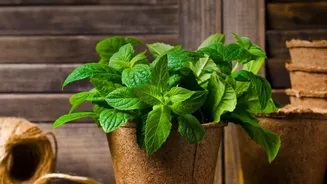
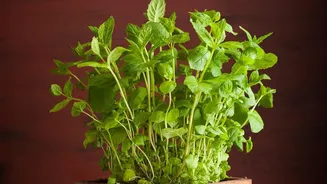
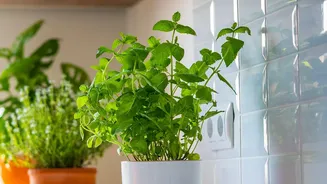
Mint is famously easy to grow, but its aggressive nature makes it perfect for container gardening. Keeping it in a pot prevents it from taking over your other plants. An east-facing window with bright, indirect light for about four to six hours is ideal. Unlike other herbs that prefer to dry out, mint likes consistently moist soil. Water it whenever the top inch of soil feels dry, but avoid leaving it in standing water. A pot that is at least eight inches wide will give it room to spread. Regular harvesting is the key to a full, bushy mint plant. Don't be shy about snipping stems for your chutney or chai; this encourages the plant to produce new growth. For the bushiest plant, pinch the tips of the branches regularly.
Cultivating Fresh Coriander (Dhaniya)
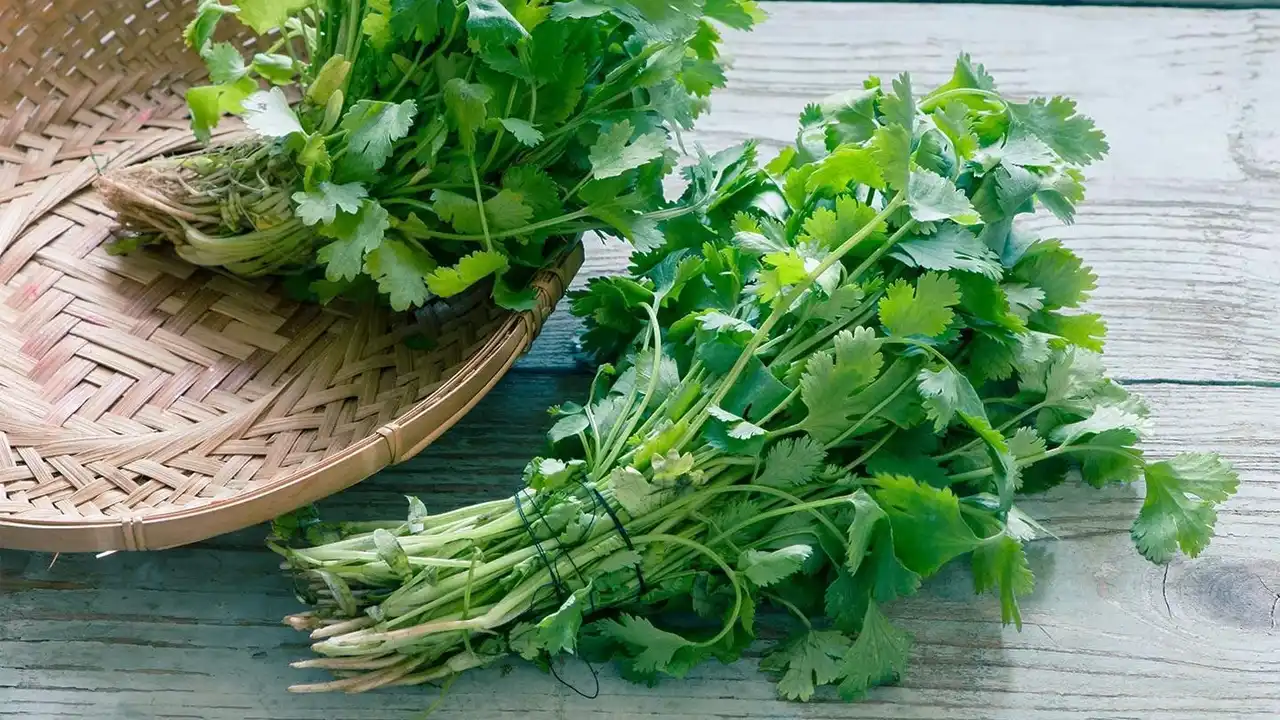
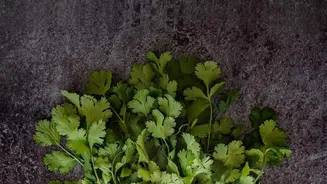
Having fresh coriander on hand is a game-changer for any Indian kitchen. Growing it from seed is the most common method. For better germination, you can gently crush the whole coriander seeds to split them and then soak them in water overnight before planting. Sow the seeds directly into a wide, relatively shallow pot, as coriander doesn't have deep roots. Sprinkle the seeds evenly over the soil and cover with a thin half-inch layer of soil or cocopeat. Coriander enjoys cooler weather and needs about three to four hours of sunlight. Hot, direct sun can cause it to 'bolt', or flower prematurely. Keep the soil consistently moist but not waterlogged. You should be able to make your first harvest in about 25-30 days by snipping the outer leaves. This allows the plant to continue producing for several more cuttings.
Your Winter Herb Care Checklist
Growing herbs indoors during winter requires a few adjustments. First, recognise that plant growth slows down due to reduced light. Water less frequently than you would in summer; the 'top-inch-dry' rule is your best guide. Overwatering is a common mistake in winter. Since indoor air can be very dry, especially with heaters running, your herbs will appreciate a bit of extra humidity. You can achieve this by misting them every few days or placing the pots on a tray of pebbles filled with water. Finally, hold off on fertilising. Most herbs are dormant in winter and forcing growth with fertiliser can do more harm than good. You can resume a light feeding schedule in the spring when you notice new growth starting.