





The Unchanging World of Daily Soaps
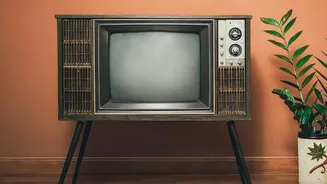
For decades, traditional TV soaps were the undisputed kings of Indian entertainment. Their formula was consistent: sprawling family dramas, dramatic plot twists, and characters that became household names over thousands of episodes. Shows like 'Kyunki
Saas Bhi Kabhi Bahu Thi' and 'Yeh Rishta Kya Kehlata Hai' defined primetime, commanding immense loyalty. The business model rewarded quantity over quality; running for years with modest daily viewership was more profitable than a short, high-quality series. This created a landscape of repetitive plots, melodramatic acting, and often regressive social portrayals that, while popular with a core demographic, began to feel stale for a new generation of viewers.
The Great Digital Disruption
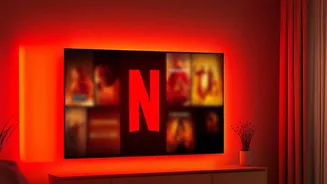
The ground began to shift dramatically around 2016. The launch of new telecom players triggered a massive drop in mobile data prices, making India's internet one of the cheapest in the world. Suddenly, streaming video was no longer a luxury. This 'Jio effect', combined with the widespread availability of affordable smartphones, gave hundreds of millions of Indians access to a new world of entertainment. Over-the-top (OTT) platforms like Netflix, Amazon Prime Video, and Hotstar, which had been niche services, found a massive new audience ready for on-demand content. India's OTT audience has since surged, reaching an estimated 665 million in 2026.
A New Language of Storytelling
Web originals offered something TV soaps could not: variety and realism. Freed from the constraints of daily broadcasting and advertiser-friendly formulas, creators began exploring new genres—gritty crime thrillers, relatable comedies, and sharp social commentaries. Shows found success by telling stories that were compact, narratively complex, and authentic. Unlike daily soaps with their endless, looping plots, web series offered clear beginnings, middles, and ends, structured in binge-watchable seasons. The characters were flawed, the dialogue was natural, and the themes tackled everything from financial scams to the absurdities of rural life, resonating deeply with a younger, more globally-aware audience.
A Tale of Two Audiences
So, are web originals truly 'replacing' TV soaps? The answer is complex. The headline's claim is more of a gradual shift than a complete takeover. While viewership for top Hindi daily soaps has seen a decline in target rating points (TRPs), they still command a massive, loyal audience, especially in regional markets and among older demographics. For instance, a top Tamil soap in 2021 could still get a TRP of 11-12, even if that's a far cry from the 33 TRP a similar show might have gotten a decade earlier. Rather than a replacement, what has emerged is a parallel market. OTT platforms initially catered to an urban audience that had already tuned out of daily soaps, but their reach is now expanding into smaller towns and rural areas.
A Hybrid Future
The future of Indian entertainment is not a simple binary of TV versus OTT. It is a hybrid landscape. Television is adapting, with broadcasters launching their own streaming apps and the rise of Connected TVs (CTVs) that merge linear channels and streaming services on one screen. The number of active CTV users in India surged by 60% in 2026, pointing to the living room's 'big screen' retaining its importance as a hub for all kinds of content. While online video revenue is projected to overtake linear TV, television itself is not disappearing. Instead, both mediums are influencing each other, creating a fragmented but incredibly diverse ecosystem where the Indian viewer has more choice than ever before.