







A Legacy of Grandeur Facing Decay
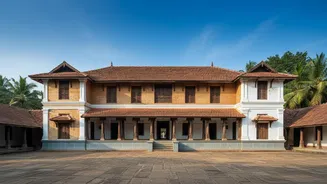
The Chettinad region is home to thousands of palatial mansions built by the Nattukottai Chettiars, a prosperous banking and merchant community, primarily between the mid-19th and early 20th centuries. Their travels across Southeast Asia brought back not
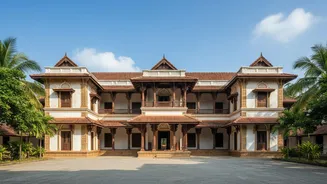
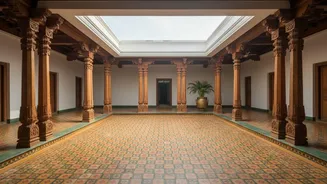
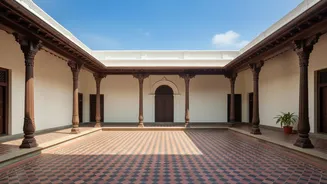
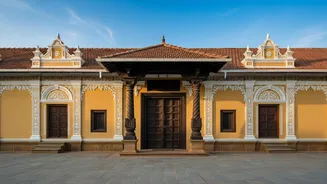
just wealth, but also a world of architectural influences. The resulting mansions are a unique fusion of traditional Tamil layouts, featuring central courtyards for ventilation, with materials and styles from across the globe: Italian marble, Burmese teak pillars, English steel, and Belgian glass. These cavernous homes, some with over 50 rooms, were built for large joint families. However, as the community's fortunes shifted after World War II and families migrated, maintaining these enormous properties became unsustainable. High upkeep costs, inheritance complexities, and neglect left thousands of these architectural marvels in a state of decay.
Adaptive Reuse: A New Purpose
The solution emerging is not to freeze these homes in time as museums, but to breathe new life into them through 'adaptive reuse'. This strategy involves converting the sprawling, often-empty mansions into boutique heritage hotels, guesthouses, and cultural centres. This model provides a compelling economic incentive for owners to invest in restoration. Instead of being a financial drain, the mansion becomes a revenue-generating asset. The income from guests who want to experience the unique ambience of a bygone era directly funds the costly and specialised work required for upkeep, from fixing leaky roofs and treating termite damage to restoring intricate woodwork and lime plaster walls. This ensures the buildings are not just preserved, but are actively used, which significantly increases their lifespan.
The Blueprint for a Heritage Hotel
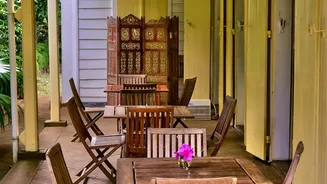
Converting a 100-year-old home designed for a large joint family into a modern hotel presents unique challenges. Most mansions have vast halls for gatherings but surprisingly few bedrooms suitable for guests. The process of restoration focuses on integrating modern amenities like plumbing and air conditioning with minimal intervention, preserving the historical integrity of the structure. Successful projects like The Bangala, Chidambara Vilas, and The Lotus Palace demonstrate how this can be done. They have carefully renovated sections of the mansions to create comfortable guest rooms while retaining the original courtyards, ornate balconies, and grand halls, offering visitors an authentic experience. This model of privatisation ensures a steady flow of funds dedicated to meticulous, ongoing maintenance.
A Ripple Effect on the Community
The benefits of this sustainable model extend far beyond the mansion walls. It revitalises the entire local economy. The restoration process itself creates a demand for traditional building materials and skills, supporting local artisans. Most notably, it has led to a revival of the region's famous handmade Athangudi tiles, with workshops getting new business from restoration projects and tourists. Furthermore, these new heritage hotels need staff, creating jobs for local residents as managers, chefs, guides, and housekeepers. It also fuels a broader interest in Chettinad culture, from its famously spicy cuisine to its unique crafts, providing a diverse range of economic opportunities and fostering a sense of community pride in their shared heritage.
The Delicate Balance of Preservation
While tourism is a powerful tool, it's a double-edged sword. The growing popularity of Chettinad's aesthetic has unfortunately fuelled a thriving antiques market, with decorative elements like carved doors and pillars being stripped from dilapidated homes and sold off. This 'cannibalisation' of properties destroys the very heritage that tourists come to see. Therefore, the key is sustainability—ensuring that tourism is managed responsibly. This involves a commitment from hoteliers, government bodies, and local communities to prioritise authentic preservation over quick profits. The goal is to create a visitor economy that respects the cultural and architectural fabric of the region, ensuring that Chettinad's revival does not come at the cost of its soul.