





Choosing a retirement city is about more than just pleasant weather. For a truly comfortable life, practical details like local transport and daily convenience are paramount. This guide explores cities that excel in making everyday life smooth and accessible.
Pune: The Active and Connected Hub
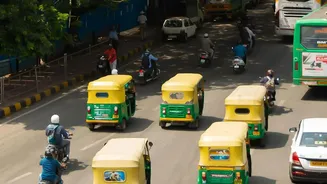
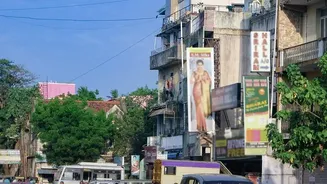
Often called a pensioner's paradise, Pune offers a balanced lifestyle that appeals to retirees who want urban amenities without the chaos of a mega-city. It combines a rich cultural scene with a strong healthcare infrastructure. For daily convenience, the city is dotted with local markets and has well-established residential areas where hospitals, shops, and entertainment are within easy reach. When it comes to transport, the Pune Mahanagar Parivahan Mahamandal Limited (PMPML) bus service is extensive. As of November 2026, it offers a 50% concession on fares for senior citizens over 60, making it an affordable option. The expanding Pune Metro is also improving connectivity, with a focus on accessibility features like elevators, ramps, and reserved seating for the elderly, which reduces dependence on private transport.
Coimbatore: The Southern Comfort Zone
Coimbatore is frequently ranked among India's best retirement destinations, largely due to its pleasant weather, lower cost of living compared to metros, and a top-tier healthcare network. The city is known as a healthcare hub in South India, with numerous multi-specialty hospitals providing peace of mind. Daily life is convenient, with manageable traffic and a calm atmosphere. Coimbatore was a pioneer in organised retirement communities in India, and today it offers a wide range of senior-friendly housing. In terms of transport, the city has a reliable public bus system and good road infrastructure, connecting residential areas to essential services efficiently. Its international airport and railway network also make it easy for family members to visit.
Chandigarh: The Planned and Green Oasis
Recognised as a 'senior citizen's haven', Chandigarh's appeal lies in its organised, modern layout. As one of India's best-planned cities, it features wide roads, abundant green spaces, and excellent public infrastructure, which contribute to a higher quality of life and cleaner air. For daily convenience, its sector-based design ensures that markets, parks, and healthcare facilities are accessible within each neighbourhood. The city has excellent medical facilities, including the renowned PGIMER. While only 16% of the population currently uses public buses, a survey found that nearly 88% of residents are willing to switch from private cars if a more robust system is provided, indicating strong future potential for public transit. The existing bus network is considered affordable, with over 70% of passengers needing to travel less than one kilometre to reach a bus stop.
Dehradun: The Tranquil Valley Retreat
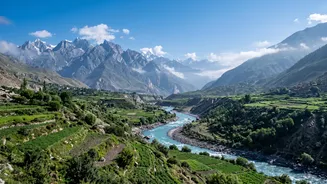
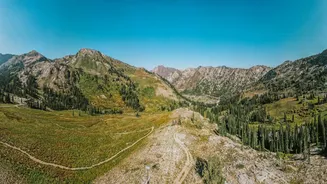
Nestled in the Himalayan foothills, Dehradun has long attracted retirees seeking tranquillity and natural beauty. Its pleasant climate and proximity to nature are major draws. The city offers a good mix of serenity and accessibility to essential amenities. In recent years, it has seen the development of premium retirement communities. However, prospective residents should be aware of growing pains. Unplanned development has led to increased traffic congestion and environmental strain. While healthcare facilities exist, accessing specialised government care can involve long waits. For daily transport, the city relies on buses and auto-rickshaws. While it provides a gateway to the mountains, recent reports suggest that its once-peaceful character is changing, a factor to consider for those prioritising a quiet lifestyle.