

The Old Habit: All or Nothing
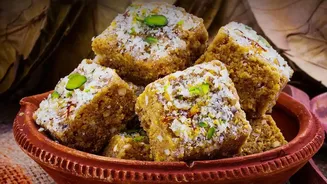
For generations, festive seasons in India have been synonymous with culinary extravagance. From Diwali's mithai boxes to Eid's sheer khurma, food is central to celebration. This period of indulgence was often followed by a period of severe restriction.
Many would overindulge, spurred on by social gatherings and a celebratory mood, only to face post-festival guilt, bloating, and the inevitable 'detox' plan. This all-or-nothing approach created a stressful cycle of bingeing and compensation, where food was seen as either a reward to be consumed in excess or a temptation to be strictly avoided. Doctors have frequently warned that this pattern can lead to a spike in lifestyle-related health emergencies, from digestive issues to more serious cardiac and metabolic problems.
A New Chapter: The Rise of Mindful Indulgence
A shift is underway. An increasing number of Indians are now seeking a middle path, one that rejects both over-the-top indulgence and joyless restriction. The new mantra is 'balance'. This isn't about giving up festive favourites but about enjoying them more consciously. Nutritionists and health experts note a growing trend towards mindful eating, where the focus is on savouring each bite, understanding portion sizes, and listening to the body's hunger cues. It's a move away from classifying foods as 'good' or 'bad' and towards creating a sustainable, enjoyable relationship with eating, even during celebrations. The goal is to participate in festivities wholeheartedly without compromising long-term well-being.
What's Driving the Change?
Several factors are fuelling this change. A greater awareness of health and wellness, amplified by social media, plays a significant role. People are more informed about the long-term effects of excessive sugar and fat intake. The rise of dietitians and nutritionists sharing practical advice has empowered individuals to make smarter choices. There's also a growing fatigue with the boom-and-bust cycle of dieting, which often leads to rebound weight gain and a negative relationship with food. As a result, people are looking for more sustainable habits that allow for celebration without the subsequent guilt and health setbacks.
Redefining the Festive Plate
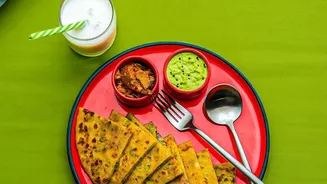
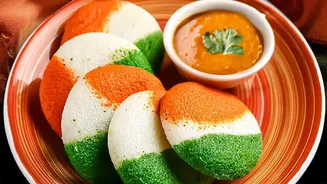
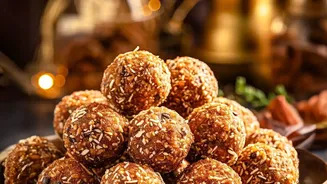
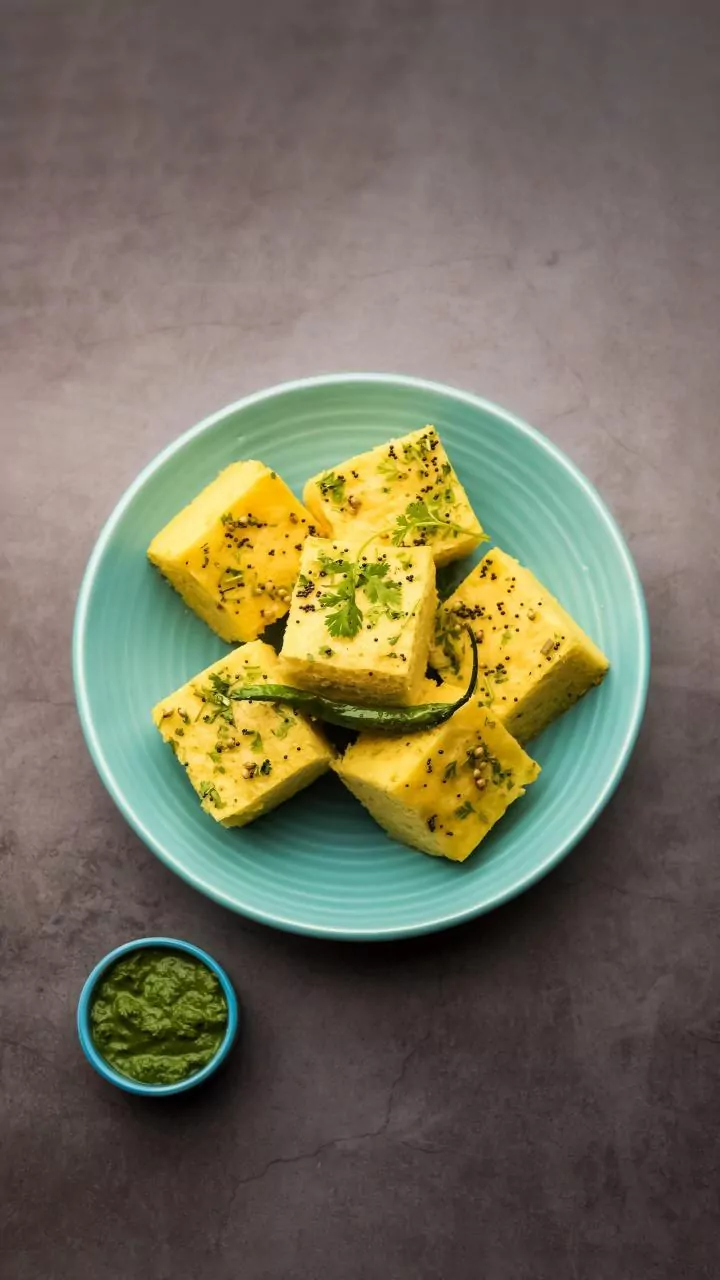
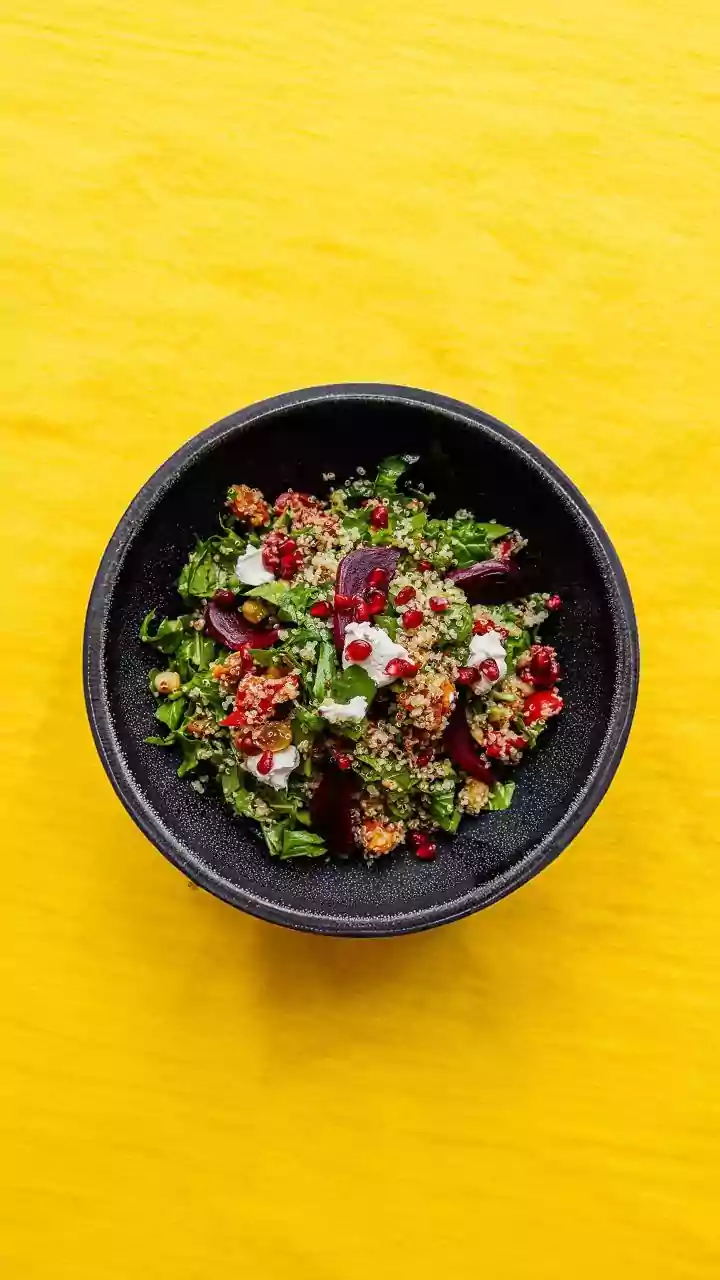
So what does this balanced approach look like in practice? It starts with smart swaps and mindful preparation. Many are opting to bake or air-fry snacks like gujiyas and samosas instead of deep-frying them. There's also a move towards using healthier ingredients, such as replacing refined sugar with jaggery, dates, or honey, and using whole grains like millets or oats instead of refined flour (maida) in sweets and snacks. Portion control has become a key strategy; using smaller plates, serving sweets in bite-sized pieces, and filling half the plate with vegetables and salads before reaching for richer items helps manage intake without feeling deprived. The idea is not to change the soul of the dish, as chef Sanjeev Kapoor notes, but to make sensible adjustments.
More Than Just Food
This evolving attitude extends beyond just what's on the plate. Staying hydrated is emphasized, as thirst is often mistaken for hunger. Planning meals around festive events, ensuring lighter meals before and after a big feast, is another popular tactic. Incorporating gentle physical activity, like a post-meal walk, is also encouraged to aid digestion and balance calorie intake. Ultimately, this shift is about being present and intentional. It's about savouring the flavours, enjoying the company, and making conscious choices that allow the festive spirit to be about joy and connection, not just consumption.