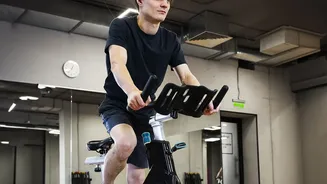








The Daily Damage of a Desk Job
Sitting for eight or more hours a day has become the norm for a huge portion of the workforce, and our bodies are paying the price. This prolonged sedentary behaviour, often called 'sitting disease', is linked to a host of health issues. On a daily basis,
it contributes to poor posture, neck strain, lower back pain, and a feeling of exhaustion. Over time, the risks become more serious, including metabolic slowdown, obesity, type 2 diabetes, cardiovascular disease, and even certain types of cancer. The lack of movement compresses our body, impairs circulation, and can even affect our mental health, increasing risks of anxiety and depression.
What Exactly Is Zone-2 Exercise?
Amid the noise of high-intensity training, Zone-2 offers a simpler, more sustainable approach. It refers to exercising at a moderate intensity, specifically at 60% to 70% of your maximum heart rate. Think of it as the 'conversational pace'. During a Zone-2 activity, your breathing is elevated, but you should still be able to hold a conversation without gasping for air. If you can sing, you're going too light (Zone 1); if you can only manage one-word answers, you're pushing too hard (Zone 3 or higher). This specific intensity is the sweet spot for building a strong aerobic base and improving how your body produces and uses energy.
The 'Goldilocks' Intensity for Recovery
After a mentally taxing and physically stagnant day, the last thing many people want is a punishing workout. High-intensity exercise is a stressor on the body, which can be counterproductive when you're already drained. This is where Zone-2 walking shines. It's an active recovery method that enhances blood flow to your muscles, delivering oxygen and nutrients needed for repair while helping to flush out metabolic byproducts without adding significant strain. It stimulates the body enough to kickstart recovery processes but is gentle enough that it doesn't cause further fatigue or require a long recovery period itself. This makes it the perfect 'just right' intensity to counteract a day of sitting still.
How Zone-2 Fights Desk-Worker Damage
The benefits of Zone-2 exercise directly address the problems caused by sedentary work. Firstly, it enhances mitochondrial function. These are the tiny powerhouses in our cells, and spending more time in Zone 2 makes them more efficient at burning fat for fuel and producing energy, fighting the metabolic slowdown and fatigue from a day at a desk. Secondly, it improves your entire cardiovascular system. It strengthens the heart muscle, increases the number of small blood vessels to improve circulation, and can help lower your resting heart rate over time. For a body that's been compressed and still for hours, this boost in circulation is crucial for feeling refreshed and mobile again.
Your Simple Guide to a Zone-2 Walk
Incorporating this into your routine is straightforward. The first step is to find your Zone-2 heart rate. A simple estimate for your maximum heart rate (MHR) is 220 minus your age. Then, calculate 60% and 70% of that number to find your Zone-2 range. For a 40-year-old, the MHR is 180, so their Zone-2 is between 108 and 126 beats per minute. However, you don't need to be obsessed with a heart rate monitor; the 'talk test' is a perfectly reliable guide. Head out for a brisk walk for 30 to 45 minutes after work. You'll know you're in the zone if you can chat with a friend but can't belt out your favourite song. Even a few sessions a week can make a significant difference.