


Ever made a dish that was almost perfect but just a little too rich? The secret to fixing that isn't more salt, but a splash of acid. Lemon is a cook's best friend, capable of transforming heavy meals into perfectly balanced ones.
The Science of a Squeeze
The magic of lemon lies
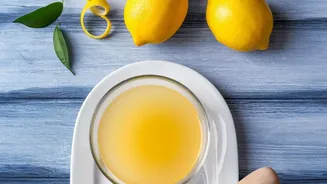
in its acidity. Richness in food often comes from fat, which coats the tongue and can make a dish feel heavy or greasy. The citric acid in lemon juice cuts through that fat, cleansing your palate and making each bite feel lighter and brighter. This is why a simple squeeze of lemon over fried fish or a rich, creamy pasta can so dramatically change the experience. It’s not just about adding a sour taste; it’s about creating contrast. Acidity stimulates your salivary glands, which enhances your perception of all the other flavours in the dish, from salt to savoury herbs. When a dish tastes flat or one-dimensional, a touch of acid is often what's missing to make the flavours 'pop'.
Taming Creamy and Dairy-Rich Dishes
Creamy sauces, cheese-heavy dishes, and rich desserts can easily become overwhelming. Lemon provides the perfect counterbalance. In a creamy pasta sauce, like a classic lemon ricotta pasta or a buttery piccata, the lemon's sharpness prevents the sauce from feeling heavy. It brightens dairy flavours, which is why lemon and ricotta are such a classic pairing on pizza or in pancakes. Even in desserts, lemon plays a crucial role. A lemon cheesecake or lemon tiramisu uses the fruit's tartness to offset the richness of the cream cheese and eggs, resulting in a dessert that feels both indulgent and refreshing. When making a cream-based sauce, adding the lemon juice at the end of cooking helps prevent the dairy from curdling while preserving its fresh, bright flavour.
Cutting Through Fatty Meats and Fish
Lemon is a classic companion to both meat and seafood for good reason. With fatty fish like salmon, a simple lemon-herb dressing doesn't just add flavour; it balances the natural oils of the fish, making it taste cleaner and lighter. For roasted or grilled meats like pork, lamb, or chicken, lemon works in two ways. In a marinade, the acid helps to tenderise the protein by breaking down some of its fibres, ensuring the meat stays moist during cooking. When used as a finishing element, a squeeze of fresh juice over roasted chicken or pork steaks with a creamy lemon sauce cuts through the rendered fat, making the entire dish more vibrant. This is a technique used extensively in Greek cooking, where ladolemono—a simple sauce of olive oil and lemon—is used to finish everything from grilled meats to roasted potatoes.
Brightening Fried and Roasted Foods
There's a reason fried calamari, pakoras, and fish and chips are almost always served with a wedge of lemon. The high heat of frying creates a crisp crust but also involves a lot of oil. That richness can quickly become tiring to the palate. A spritz of lemon juice provides an immediate lift, making fried foods taste less greasy and more complex. The same principle applies to roasted vegetables. Roasting caramelises the natural sugars in vegetables, creating deep, sweet flavours. While delicious, this can sometimes be monotonous. A final toss with lemon juice or zest wakes everything up, adding a fresh counterpoint to the roasted depth and preventing the dish from tasting uniformly heavy.
Beyond the Juice: Using Zest for Aroma
While lemon juice provides the sharp, acidic punch, the zest offers a different kind of magic. The zest is where the lemon's aromatic oils are concentrated. Using finely grated lemon zest in a recipe adds a fragrant, citrusy perfume without the intense sourness of the juice. This is particularly useful in baking, like in lemon pound cake or scones, where it infuses the batter with a bright aroma. You can also sprinkle zest over a finished dish—like a risotto, pasta, or grilled scallops—to add a final layer of fresh, vibrant flavour that engages your sense of smell and enhances the entire eating experience. For the best results, always zest the lemon before you juice it.