





The Quiet Confidence of Comfort Food
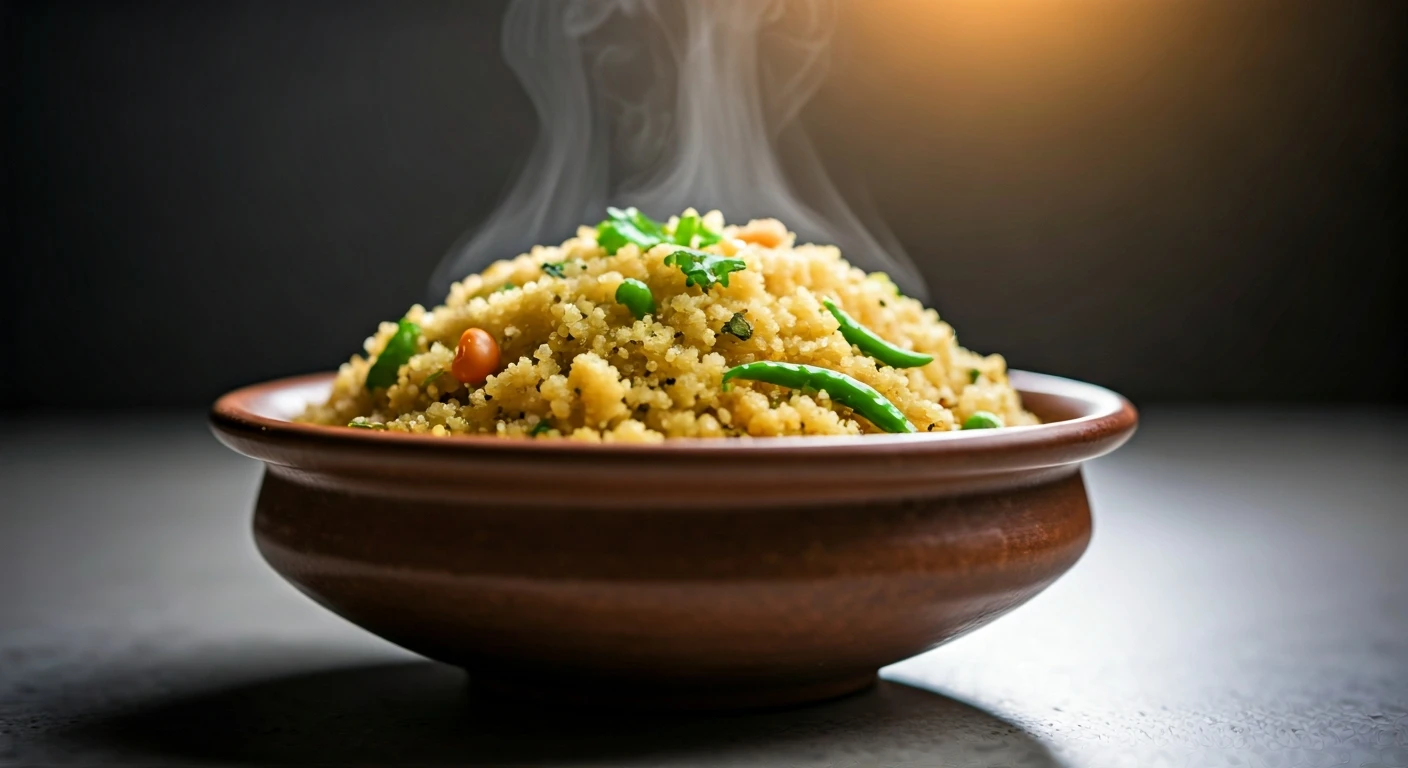
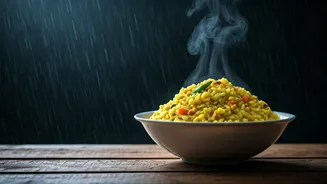
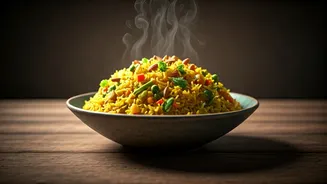
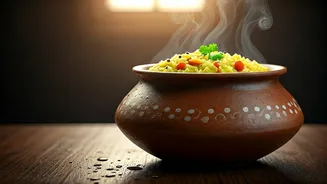
For years, Veg Pulao has been the dependable understudy in the grand theatre of Indian cuisine. It’s the dish your mother made on a busy Tuesday, the reassuring meal packed in a tiffin box, the quick-fix for unexpected guests. While biryani demands attention
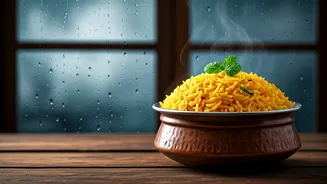
with its complex layers, fiery spices, and dramatic 'dum' cooking, pulao has always been about quiet confidence. Its charm lies not in extravagance, but in its wholesome simplicity and the fragrant aroma of whole spices—cardamom, cloves, cinnamon—blooming in hot ghee. It doesn't scream for attention; it simply satisfies. This inherent comfort is a major reason for its modern resurgence. In a world of culinary complexity, we're returning to the foods that feel like a hug in a bowl.
Pulao vs. Biryani: Let's Settle It
The eternal debate. While both are celebratory rice dishes, their souls are fundamentally different. Think of it this way: Pulao is about harmony, while Biryani is about drama. In a Pulao, the raw rice is sautéed in fat with aromatics and then cooked together with the vegetables and a measured amount of water or stock until every grain has absorbed the flavour. It’s a one-pot symphony where all ingredients cook and meld together from the start. Biryani, on the other hand, is a layered masterpiece. The rice is par-boiled separately, while the vegetables (or meat) are cooked in a thick, spicy gravy. The two are then layered in a pot, often with additions like fried onions, mint, and saffron milk, before being slow-cooked on 'dum'. The result is distinct layers of flavour and texture, whereas Pulao offers a more uniform, subtly infused taste.
A Dish with Ancient Roots
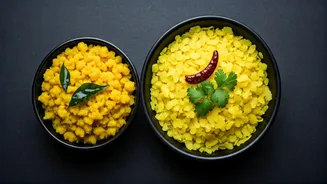
Pulao, or Pilaf, is not just an Indian staple; it's a dish with a passport full of stamps. Its lineage can be traced back to ancient Persia, with mentions in texts dating back to Alexander the Great. As traders, scholars, and conquerors travelled the Silk Road, they carried the recipe with them. In India, it was embraced and transformed. The Mughals refined it into a courtly delicacy, but its true genius was its adaptability. Every region gave it a unique identity. From the saffron-kissed Kashmiri Pulao with fruits and nuts to the simple, turmeric-hued 'Tehri' of Uttar Pradesh, Pulao became a canvas for local produce and spices. This history reminds us that Pulao isn't just a recipe; it’s a culinary heirloom passed down through generations, each one adding its own signature.
Why Is It Trending Now?
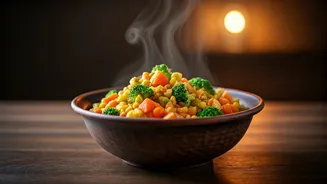
The comeback of Veg Pulao isn't driven by a single viral trend but by a collective shift in our lifestyle. Firstly, there’s the appeal of one-pot cooking. In our time-crunched lives, the ability to create a complete, nutritious meal in a single vessel with minimal cleanup is a godsend. Secondly, there’s a growing appreciation for subtlety. We are moving beyond the need for every meal to be an explosion of spice. Pulao celebrates the delicate flavours of good quality rice, fresh vegetables, and aromatic whole spices. Finally, it’s a celebration of vegetarian cooking. As more people embrace plant-based diets, Veg Pulao stands out as a satisfying, versatile, and complete meal that doesn't feel like a compromise. It’s the perfect showcase for seasonal vegetables, from green peas in winter to tender jackfruit in summer.