





What a Dehumidifier Actually Does
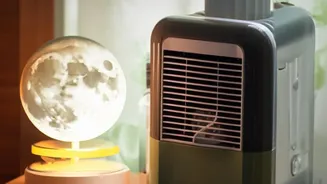
A dehumidifier is designed for one primary job: to remove excess moisture from the air in a specific area. It draws in humid air, passes it over cool coils to condense the water vapour into liquid, and then releases the drier air back into the room. This
is why you have to empty a collection tank periodically. They are effective at reducing airborne humidity, which can make a room feel more comfortable and less musty. For this reason, they are useful tools for managing temporary moisture after a flood or for dealing with seasonal humidity in summer.
The Real Culprits: Leaks and Poor Ventilation
A dehumidifier treats a symptom—humid air—but it doesn't address the cause. In most homes, persistent dampness comes from two main sources: water intrusion and poor ventilation. Water intrusion can mean obvious plumbing leaks from pipes and fixtures, or more subtle issues like cracks in the foundation, faulty roofing, or blocked gutters that allow rainwater to seep in. Poor ventilation is another major factor. Modern, well-sealed homes can trap moisture generated from daily activities like cooking, showering, and even breathing. Without proper exhaust fans in kitchens and bathrooms or adequate air circulation, this moisture has nowhere to go.
The Dangers of Masking the Problem
Relying solely on a dehumidifier can create a false sense of security while the underlying issue worsens. Unchecked leaks, even small ones, can lead to serious consequences. Over time, water can cause structural damage by rotting wood, compromising the foundation, and weakening drywall. This damp environment is also a perfect breeding ground for mould and mildew, which can begin to grow in as little as 24 to 48 hours. Mould spores can trigger allergies, asthma, and other respiratory problems, while the moisture attracts pests like termites and cockroaches. Ignoring the source of the moisture means these problems can grow silently behind walls or under floors.
Your First Priority: Hunt for the Source
Before you plug in a dehumidifier, become a detective. Look for the classic signs of water intrusion. Are there water stains on ceilings or walls? Is paint or wallpaper peeling or bubbling? Check under sinks and around appliances for drips. Inspect your gutters to ensure they are clear and directing water far away from your foundation. Also, pay attention to musty odours, which often point to hidden mould growth. Next, assess your home's ventilation. Do cooking smells linger long after a meal? Do your bathroom mirrors stay fogged up? These are signs that your exhaust fans aren't doing their job or that general airflow is poor. Stale, stuffy air is another clear indicator that your home is not breathing properly, trapping pollutants and moisture inside.
When Is a Dehumidifier the Right Tool?
This doesn't mean you should throw out your dehumidifier. It is a valuable tool when used correctly. A dehumidifier is appropriate when the humidity level is consistently above 50-55%, creating a clammy or sticky feeling in the air. It’s also useful for managing dampness in naturally humid areas like basements, especially during muggy summer months. Furthermore, it plays a crucial role in drying out a space after a one-time water event, like a burst pipe or minor flooding, to prevent long-term damage and mould growth. The key is to use it as a supplement to a dry, well-ventilated home, not as the primary line of defence against a persistent moisture problem.