





Combat Dampness with Natural Absorbers
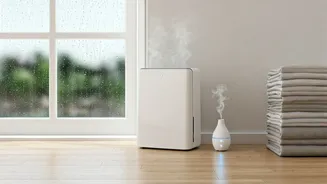
Excess moisture is the root of many monsoon problems, encouraging mould growth and creating a damp feeling everywhere. Instead of relying on expensive dehumidifiers, turn to your kitchen for help. Coarse sea salt is a fantastic natural moisture absorber.
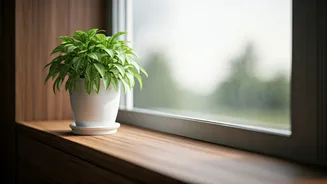
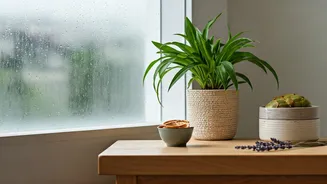
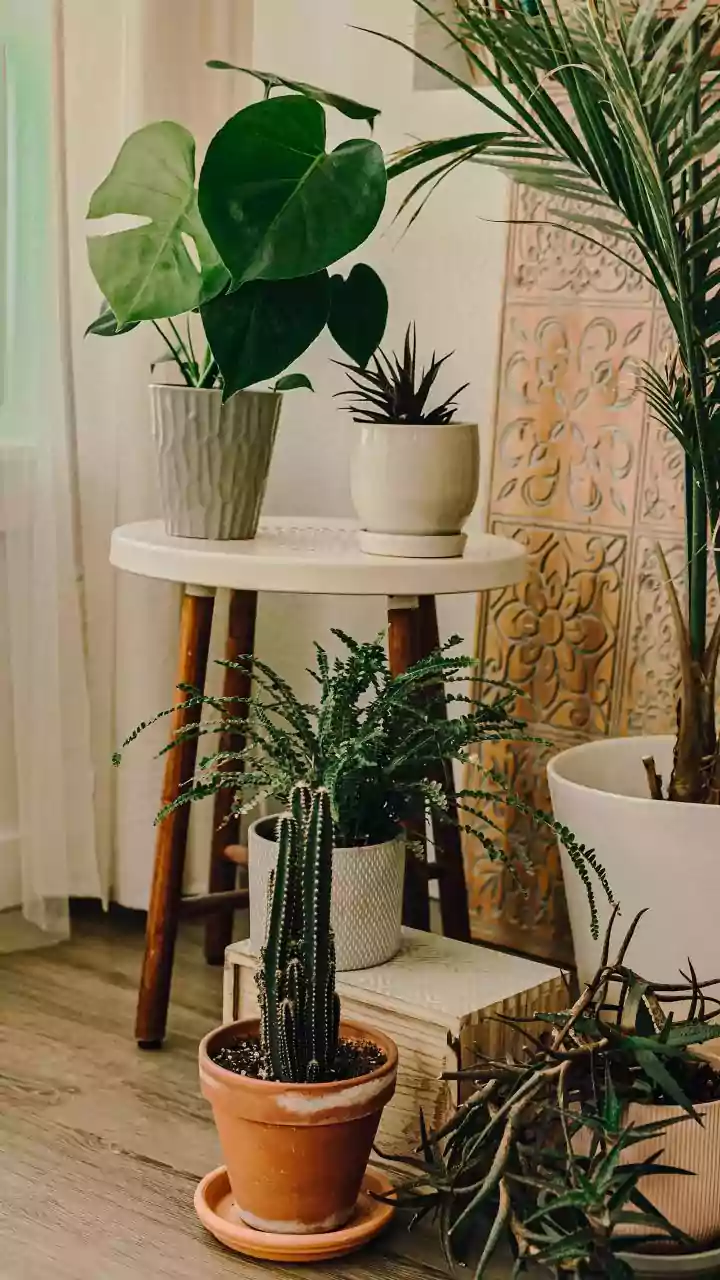
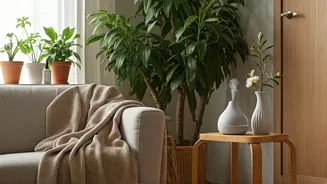
[5, 6] Place bowls of salt in damp corners, bathrooms, and wardrobes to draw moisture from the air. [5, 6] You can also use activated charcoal or even baking soda in small cloth pouches to place in drawers and cupboards. [14] For an added benefit, houseplants like peace lilies and spider plants act as natural dehumidifiers, absorbing excess humidity while purifying the air. [14]
Banish Musty Odours Naturally
That signature musty monsoon smell is caused by trapped moisture and mildew. To combat this, ensure good ventilation by opening windows whenever the rain stops. [6] For a proactive approach, use natural deodorizers. A few camphor tablets placed in a bowl or hung in a muslin cloth can absorb moisture and purify the air, leaving a fresh scent. [22, 24] Alternatively, place bowls of white vinegar or used coffee grounds around a room to neutralize odours. [10, 18] For a pleasant aroma, simmer citrus peels and spices like cinnamon and cloves on the stove, or use an essential oil diffuser with scents like lavender or eucalyptus. [6, 10]
Ward Off Pests with Kitchen Staples
The rainy season often drives pests like ants, mosquitoes, and cockroaches indoors. [2] Many common kitchen ingredients can act as powerful, natural repellents. To deter ants, sprinkle a line of turmeric powder or a mixture of baking soda and vinegar near their entry points. [3, 21] For mosquitoes and flies, the strong smell of camphor is a major deterrent; burn it safely in a closed room for a short period or place tablets near windows. [4] A spray made from boiling garlic cloves in water can also be effective against various insects when sprayed in dark corners and under sinks. [4] Planting herbs like mint and basil near windows can also help keep pests at bay. [2]
Protect Your Wardrobe and Linens
Clothes and linens are particularly susceptible to mildew and musty smells during the monsoon. To protect them, place moisture absorbers like silica gel packets (often found in new shoe boxes) or small cloth bags filled with dried neem leaves inside your cupboards. [5, 16] Neem has natural antifungal and insect-repelling properties. [16] Camphor balls wrapped in muslin cloth are also a traditional and effective way to keep wardrobes fresh and free from pests like silverfish. [22, 24] When storing away items, ensure they are completely dry, and consider placing sheets of newspaper between folded clothes, as the paper helps absorb any residual moisture. [5]
Care for Wooden Furniture and Floors
Wood swells and warps when it absorbs moisture, making the monsoon a risky time for your furniture and flooring. To clean wooden surfaces, avoid using excess water. Instead, opt for a dry wipe down. [6] A few drops of neem oil mixed with a carrier oil and wiped onto furniture can help protect it and repel termites. [16] For floors, a small amount of crumbled camphor can be added to your mop water; it acts as a natural disinfectant and leaves a fresh scent. [22] If you notice any mould beginning to form, wipe it immediately with a solution of white vinegar and water. [5]
Keep Walls and Bathrooms Mould-Free
Mould is not only unsightly but can also trigger allergies and respiratory issues. [5] Bathrooms and walls with poor ventilation are prime breeding grounds. To prevent mould, spray a solution of equal parts white vinegar and water on susceptible surfaces and let it dry. [5, 13] Neem is also a powerful antifungal agent. You can boil a handful of neem leaves in water, let the solution cool, and then use it to wipe down walls and corners prone to mould growth. [5] In the bathroom, a bowl of coarse salt mixed with a few drops of tea tree or eucalyptus oil will help absorb humidity and fight fungus. [5, 6]