







A Nation Ready for Takeoff
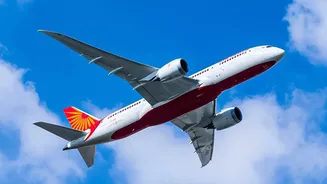
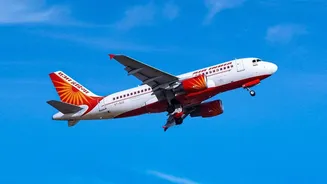
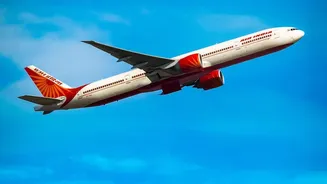
India's appetite for air travel is growing at one of the fastest rates in the world. This travel boom has prompted Indian carriers like IndiGo, Air India, and Akasa Air to place historic orders for new aircraft. According to Minister Goyal, Indian airlines
have more than 1,200 planes on order and are prepared to order another 1,000 to meet the country's needs, bringing the total requirement to over 2,000 aircraft. This unprecedented demand reflects the nation's economic expansion and a growing middle class with a greater capacity for travel. Projections estimate the country's commercial fleet will grow at an annual rate of 7.1% over the next decade, one of the highest globally.
The Global Supply Bottleneck
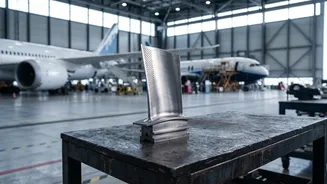
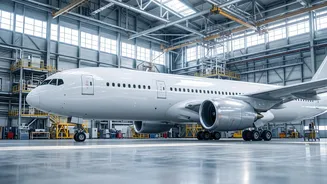
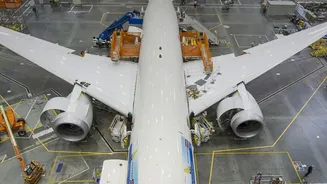
Despite the massive orders, the planes are not arriving fast enough. Aircraft manufacturers Airbus and Boeing are facing significant production backlogs and supply chain disruptions that began during the COVID-19 pandemic. These issues are compounded by shortages of critical components, including engines, which have hampered their ability to ramp up production and meet delivery schedules. For instance, persistent problems with Pratt & Whitney engines have led to the grounding of numerous aircraft in India, notably impacting carriers like IndiGo and contributing to the collapse of Go First. This global manufacturing strain means that even with firm orders, some aircraft deliveries to Indian carriers are scheduled as far out as 2034.
Airlines in a Holding Pattern
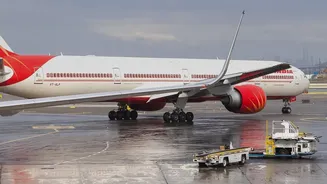
The delivery delays are creating a major headache for Indian airlines. The gap between passenger demand and fleet availability is becoming a primary constraint on growth. Airlines are unable to launch new routes or increase frequencies on existing ones, limiting their ability to capitalize on the surging market. Outgoing Air India CEO Campbell Wilson noted that these delays have significantly slowed the airline's transformation and growth plans. To cope, some carriers are forced to lease older, less fuel-efficient aircraft at higher rates, which eats into their profitability. Others are extending the life of their current fleets, leading to higher maintenance costs and operational challenges. In some cases, airlines have even reportedly considered deferring deliveries to manage their finances amidst operational hurdles.
What This Means for Passengers
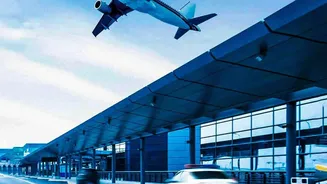
For the average flyer, this industry-wide squeeze has tangible consequences. The 'acute' shortage of aircraft, as described by Goyal, means fewer available seats on popular routes, which can lead to higher ticket prices, especially during peak travel seasons. The strain on existing fleets and reliance on older, leased planes could also impact flight schedules and reliability. While India is aggressively expanding its airport infrastructure, with the number of airports more than doubling since 2014, this capacity can only be utilized if airlines have the planes to service them. Ultimately, the speed at which manufacturers can deliver new aircraft will directly influence route expansion, ticket affordability, and the overall passenger experience in the years to come.