





Understanding India's E20 Fuel Mandate
India has aggressively advanced its Ethanol Blended Petrol (EBP) Programme, making E20 petrol—a blend of 20% ethanol and 80% petrol—the standard fuel across the nation as of 2026. This move, originally slated for 2030, was fast-tracked to 2025 to achieve
several national goals. The primary objectives are to slash the country's massive crude oil import bill (which covers about 85% of its needs), reduce vehicular emissions, and provide a stable, alternative income source for farmers growing crops like sugarcane and maize. This isn’t a temporary experiment; it's a foundational shift in India’s energy strategy, with the government already laying down technical standards for even higher blends like E25 and E30. This long-term policy vision provides a stable environment for consumers and automakers alike.
Future-Proofing Your Investment
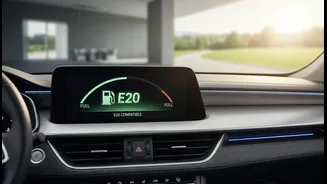
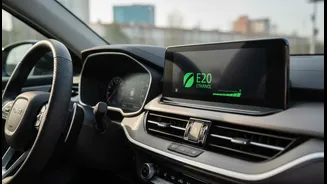
Choosing an E20-compatible car today is essentially future-proofing your purchase. Since 2023, nearly all major automobile manufacturers in India, including Maruti Suzuki, Hyundai, Tata Motors, and Mahindra, have been producing vehicles that are fully compliant with E20 fuel. These cars have engines and fuel systems specifically designed to handle the properties of ethanol, which can be corrosive to the rubber and metal components of older, non-compliant vehicles. As E20 is now the default petrol available, owning a compatible vehicle ensures you avoid potential long-term maintenance issues and performance degradation. It also means your car will hold better resale value as the fleet of older, non-compliant cars becomes less desirable in a market dominated by blended fuel.
The Running Cost and Performance Equation
A common concern among buyers is the impact of E20 on mileage and running costs. It's true that ethanol has a lower energy density than petrol, which can lead to a marginal drop in fuel efficiency, typically estimated between 3-7%. However, automakers have been calibrating new engines to minimise this loss. On the flip side, ethanol has a higher octane rating, which can lead to a cleaner combustion process, reduced engine knocking, and smoother performance. While E20 petrol is not currently cheaper at the pump—due to government-set procurement prices for ethanol to support farmers—the policy's main financial benefit is price stability. By reducing dependence on volatile international crude oil markets, the EBP programme helps shield Indian consumers from sharp price hikes seen in neighbouring countries.
From E20 to True Flex-Fuel
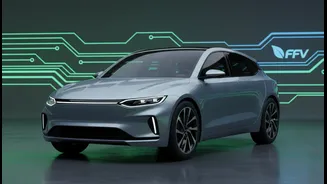
The transition doesn't stop at E20. The government and automakers are already paving the way for flex-fuel vehicles (FFVs). These are cars capable of running on much higher ethanol blends, such as E85 (85% ethanol), or even pure ethanol (E100). Companies like Maruti Suzuki, Toyota, and Tata Motors have already showcased prototype FFVs, with some models like the Maruti Wagon R flex-fuel already in production for commercial use. Buying an E20-compatible car now places you on the right side of this technological evolution. As infrastructure for higher blends develops, the transition will be smoother for owners of already compliant vehicles. An E20-ready car is the first and most crucial step in a multi-stage transition towards more sustainable and economically secure mobility.
Making the Smart Choice
When you purchase a new car, you're not just buying a mode of transport; you're making a medium-to-long-term investment. In the current Indian landscape, the government's decisive and long-term push towards ethanol blending has made E20 compatibility a non-negotiable feature for a smart buy. It ensures your vehicle remains reliable, efficient, and retains value in a rapidly evolving fuel ecosystem. With virtually every new car from major brands being E20-compliant, the choice is clear. Opting for one isn't just following a trend—it's aligning your investment with the nation's energy future, ensuring peace of mind for years to come.