




A Kingdom Built on Water
Lesotho is geographically unique. It is the only independent state in the world that lies entirely above 1,000 metres in elevation, with two-thirds of its territory classified as mountains. This high-altitude landscape acts as the 'water tower' of Southern
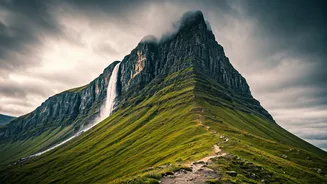
Africa, giving rise to major rivers like the Orange and Tugela. This topography creates the perfect conditions for some of the continent's most spectacular waterfalls. The nation's lifeblood is its water, shaping not only the landscape but also the culture and economy, making it a prime destination for anyone fascinated by the raw power of nature.
Maletsunyane: The Place of Smoke
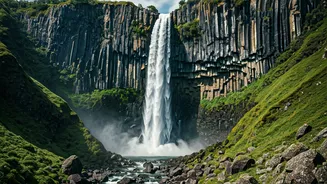
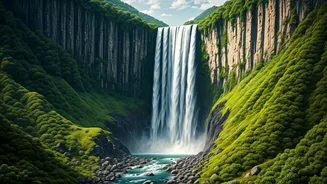
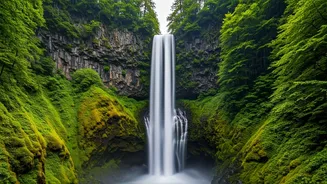
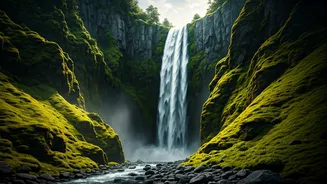
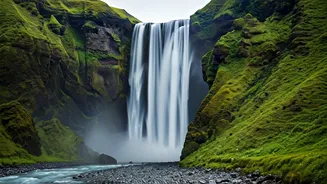
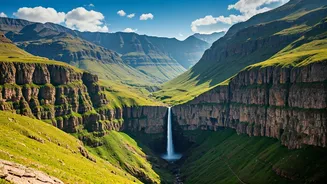
The crown jewel of Lesotho’s waterfalls is the magnificent Maletsunyane Falls, located near the town of Semonkong. Plummeting 192 metres in a single, unbroken drop, it is one of the highest single-drop waterfalls in Africa. The force of the water creates a cloud of spray that can be seen from kilometres away, earning Semonkong its name, which translates to 'The Place of Smoke'. The sheer scale of the falls, dropping into a deep, verdant gorge, is a humbling sight. For the truly adventurous, the site holds the record for the world's longest commercially operated abseil, a 204-metre descent alongside the face of the falls.
Why Watch Now? The Seasonal Peak
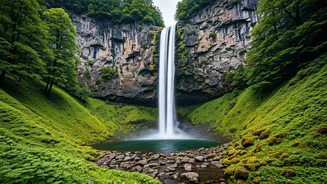
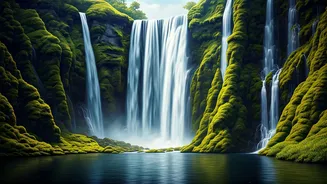
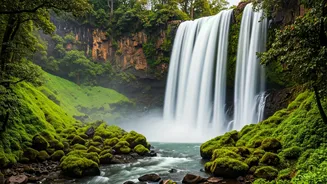
The urgency in the call to 'watch Lesotho now' is tied directly to its climate. The best time to witness the country's waterfalls in their full, thunderous glory is during the summer rainy season, from December to March. During these months, frequent afternoon thunderstorms feed the rivers, transforming the falls from a steady pour into a raging torrent. While the shoulder months of October-November and April-May offer pleasant weather for hiking, it's the peak of summer that delivers the most dramatic aquatic displays. The landscape turns a lush, vibrant green, providing a stunning contrast to the powerful white water of falls like Maletsunyane and the less-visited but equally impressive Ketane Falls.
A Land in Transition
Beyond the seasonal cycles, Lesotho's relationship with its water is undergoing a significant transformation. The Lesotho Highlands Water Project (LHWP), a massive multi-phase infrastructure project, is designed to transfer water to neighbouring South Africa while generating hydroelectric power for the nation. This series of dams and tunnels is altering the flow of several major rivers. While the project aims to preserve ecological balances, it inevitably changes the downstream hydrology. For waterfall lovers, this means the natural character and flow of some river systems could be impacted over time, adding another layer of significance to seeing them in their current state. The project also brings improved infrastructure, with hundreds of kilometres of new paved roads making remote areas more accessible than ever before.
Planning Your Visit
Reaching these natural wonders requires some planning. While main roads like the A5 to Semonkong are paved, many routes to specific viewpoints or smaller falls require a 4x4 vehicle, especially after rain. Alternatively, embracing the local culture through pony trekking is a popular way to explore the rugged terrain. Local guides are highly recommended for safety and for navigating trails that are often unmarked. Accommodation ranges from rustic lodges like the well-known Semonkong Lodge, which offers everything from camping to comfortable rooms, to more traditional stays in local villages. Remember that the high altitude means cold weather is possible year-round, so packing in layers is essential, even in summer.