


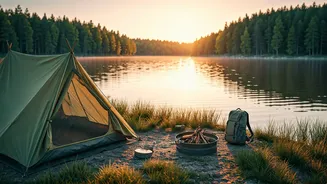



1. Embrace the 'Pack In, Pack Out' Philosophy
This is the golden rule of eco-conscious camping. Whatever you bring with you—food wrappers, bottles, cans, tissues, or any other supplies—must leave with you. Before your trip, try to minimize potential waste by removing excess packaging from food and
gear. Carry designated garbage bags: one for dry waste (like plastics and paper) and another for wet waste (like food scraps). Leaving your trash behind not only spoils the view for others but can also be deadly for local wildlife that might ingest it. A beautiful campsite is a clean campsite, and the responsibility for that starts and ends with you.
2. Say No to Single-Use Plastics
Plastic is one of the biggest threats to natural landscapes like Bhandardara. Make a conscious effort to avoid single-use plastics. Instead of buying disposable water bottles, carry reusable ones and fill them from a large, multi-litre container you bring from home. Pack your snacks and meals in reusable containers instead of plastic bags. Carry a reusable cutlery set (spoon, fork, mug) to avoid disposables. This simple shift drastically reduces the amount of non-biodegradable waste you generate and ensures that plastic pollution doesn't find its way into the lake or soil.
3. Rethink Your Campfire
A crackling campfire seems like a camping essential, but it comes with risks. Uncontrolled fires can easily spread, damaging the local flora and posing a threat to wildlife. Instead of building a large bonfire, consider if you need one at all. Modern LED lanterns and headlamps provide excellent light without the fire hazard. If you must have a fire for cooking or warmth, use a designated fire pit if available. Keep it small and manageable. Never cut down living trees or branches for firewood; use only fallen, dead wood. Most importantly, ensure your fire is completely extinguished with water before you go to sleep or leave the site. The embers should be cool to the touch.
4. Manage Sanitation Responsibly
When nature calls in nature, do it right. If there are no designated toilets, walk at least 200 feet (about 70 adult steps) away from any water source, trail, or campsite. Dig a small 'cathole' about 6-8 inches deep and bury your waste. This helps it decompose faster and prevents contamination of the water supply. When it comes to washing, use biodegradable soap. Even then, carry water away from the lake to wash yourself or your dishes. This prevents soap and food particles from polluting the lake, which is a vital water source for local communities and ecosystems.
5. Respect the Local Wildlife and Flora
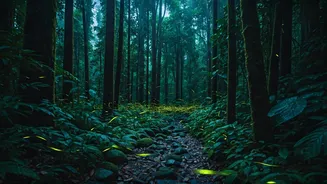
Bhandardara is home to diverse flora and fauna, including the famous fireflies during the pre-monsoon season. Observe wildlife from a distance and never feed them. Feeding wild animals makes them dependent on humans and can disrupt their natural behaviour. Stick to marked trails to avoid trampling on delicate plants and causing soil erosion. Avoid playing loud music, as it disturbs the peace of the natural environment and stresses the animals that live there. The goal is to be a silent observer, not an intrusive presence.
6. Support the Local Community
Responsible tourism also means contributing positively to the local economy. Instead of carrying all your supplies from the city, consider buying fresh vegetables, basic groceries, or local snacks from small shops in the nearby villages. If you're hiring a guide or a boat, ensure they are from the local community. This not only provides you with an authentic experience but also ensures that the economic benefits of tourism are shared with the people who call Bhandardara home. A friendly conversation can also give you valuable insights into the region's culture and traditions.