





From Pantry Staple to Gourmet Star
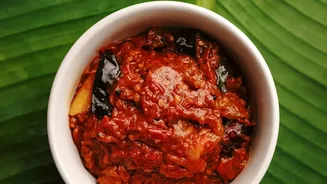
For generations, pickles and chutneys have been essential companions to Indian meals, adding a burst of flavour to everything from parathas to curd rice. They were the unsung heroes of the thali, a household staple made with time-honoured family recipes.
Today, however, these condiments are stepping out of the shadows and into the spotlight. Young urban consumers, from millennials to Gen Z, are no longer seeing them as just a side dish. Instead, they are being celebrated as artisanal, gourmet products, worthy of attention and appreciation. This shift is part of a larger change in India’s food culture, where younger generations are increasingly intentional about their food choices, seeking comfort, health, variety, and authentic experiences.
A Taste of Nostalgia and Identity
In a rapidly globalizing world, many young Indians are seeking a connection to their roots, and food is a powerful way to find it. Pickles and chutneys, with their diverse regional flavours, offer a direct link to a specific place and a cherished memory. For many, the taste of a particular pickle can evoke vivid memories of childhood, summer holidays, and a grandmother’s kitchen. This emotional connection, or 'nostalgia marketing', is a significant driver of consumption behaviour. In an age of fast food and globalized menus, the complex, layered flavours of a homemade 'avakai' or a spicy 'lehsun chutney' represent authenticity and a tangible piece of cultural heritage.
The Health Halo Effect
The rediscovery is not just about flavour and nostalgia; it’s also about health. As wellness becomes a priority, young consumers are looking critically at what they eat. Mass-produced sauces and condiments are often high in sugar and artificial preservatives. In contrast, many traditional Indian pickles are fermented, a process that creates probiotics, or 'good bacteria', which are known to be beneficial for gut health. There is a growing awareness that these fermented foods can aid digestion, boost immunity, and enhance nutrient absorption. This has led to a demand for 'clean-label' products made with natural ingredients and minimal processing, a niche that many new-age pickle brands are successfully filling.
The Rise of Artisanal Brands
This trend has been fueled by a boom in small, direct-to-consumer (D2C) brands. Often started by home chefs and entrepreneurs passionate about preserving their family recipes, these businesses leverage social media platforms like Instagram to reach a national audience. Brands specializing in hyper-regional recipes, like Bihari 'Jha Jee' or Karnataka-style 'podi', are finding eager customers across the country. They offer preservative-free, small-batch products that promise an authentic taste that mass-market brands often struggle to replicate. This online marketplace has made once-obscure regional specialties accessible to anyone with a smartphone, turning a local delicacy into a nationwide trend.
Beyond the Thali: A Modern Twist
Perhaps the most interesting part of this revival is how young foodies are using these traditional condiments. They are not just pairing them with rice and roti. Creative home cooks and chefs are incorporating Indian pickles and chutneys into global cuisines. You might find a spicy mango pickle slathered in a sandwich, a tangy tamarind chutney used as a glaze for grilled meats, or a dollop of 'gongura' pickle served on a gourmet cheese board. This innovative approach shows that these traditional flavours are not static; they are versatile and can be adapted to modern culinary contexts, proving their timeless appeal.