



The Science of Natural Cooling
The secret to a plant's cooling power lies in a process called evapotranspiration. Plants draw water up from their roots and release it as cool, evaporated moisture through tiny pores in their leaves called stomata. As the water evaporates, it absorbs
heat from the surrounding air, creating a microclimate that feels fresher and more comfortable. While one small plant won't replace your AC, a group of them can noticeably increase the humidity in a room, making dry, hot air feel more pleasant. Think of it as having your own personal, quiet, and eco-friendly humidifier.
More Than Just Moisture
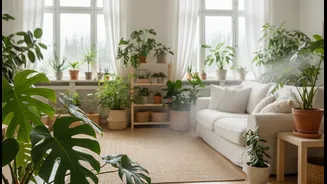
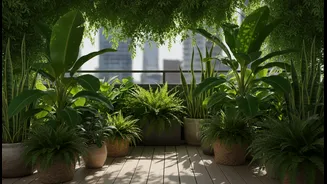
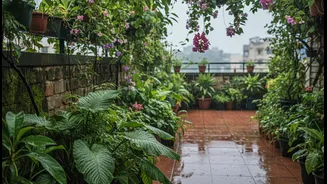
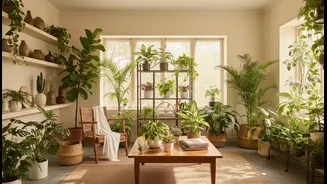
Beyond adding humidity, plants provide cooling in another obvious yet effective way: shade. Placing larger, leafy plants near sunny windows can act as a green curtain, filtering direct sunlight and reducing the amount of solar heat that enters your home. Studies have shown that strategic planting on balconies and terraces can reduce indoor temperatures. By blocking the sun's rays before they heat up your floors and furniture, plants help maintain a more stable and cooler indoor environment throughout the day. This dual action of transpiration and shading is what makes them such an effective green hack.
The Areca Palm: A Tropical Humidifier
Often called the Butterfly Palm, the Areca Palm is a champion of transpiration. Its lush, feathery fronds aren't just for looks; they are fantastic at releasing moisture into the air, acting as a natural humidifier. One medium-sized palm can release nearly a litre of water vapour in 24 hours. This makes it particularly effective in Indian homes, where the air can become hot and dry. For the best results, place it in a spot with bright, indirect sunlight and keep the soil consistently moist but not waterlogged.
The Snake Plant: A Hardy Night Owl
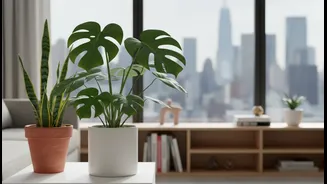
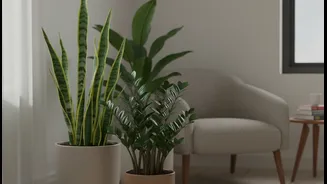
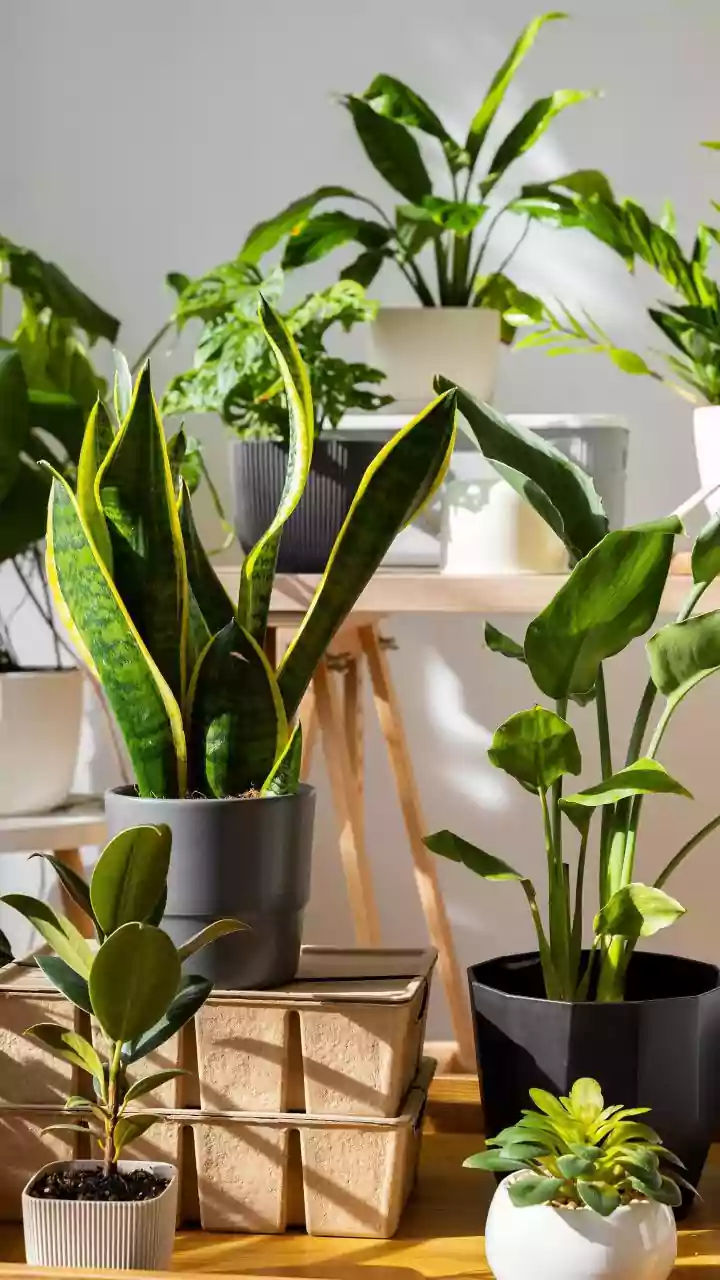
The Snake Plant, or Mother-in-Law's Tongue, is famously low-maintenance and a great choice for bedrooms. Unlike most plants, it releases oxygen at night, which can contribute to a fresher feeling while you sleep. Its thick, waxy leaves store a lot of water. When temperatures rise, the plant transpires, releasing this stored moisture and creating a subtle cooling effect. It’s incredibly resilient and can tolerate lower light conditions and infrequent watering, making it a perfect starting plant for anyone new to indoor gardening.
The Rubber Plant: Big Leaves, Big Impact
The Rubber Plant is a visual statement with its large, glossy, dark leaves. The rule of thumb is simple: the larger the leaf surface area, the higher the rate of transpiration. This makes the Rubber Plant an excellent cooling agent. By releasing significant amounts of moisture, it helps to humidify and cool the surrounding air. It's also known for its air-purifying qualities, effectively removing common household toxins. It prefers bright, indirect light and a little-but-often approach to watering to keep its soil damp.
Other Notable Cooling Companions
Several other common houseplants can contribute to a cooler home. The Money Plant (Pothos) is a household favourite in India, known for filtering pollutants and adding moisture to the air. Boston Ferns and other fern varieties thrive in humidity and are excellent at increasing it, though they require more attention and frequent misting. The Peace Lily, with its elegant white blooms, also has a high transpiration rate and is great for boosting indoor humidity.
Get the Most Out of Your Greenery
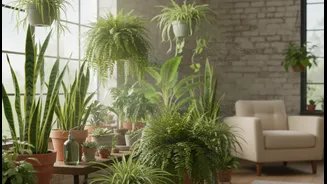
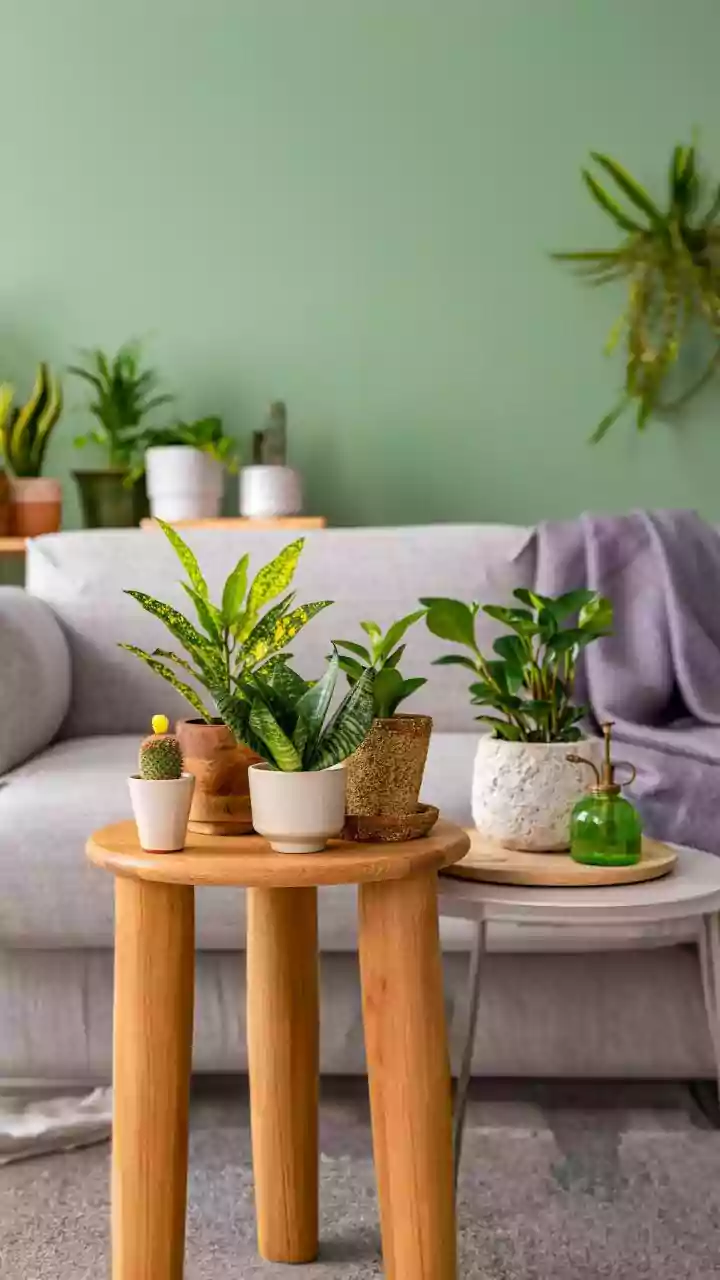
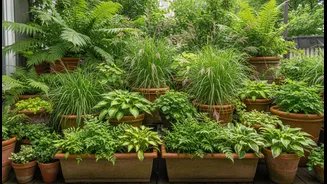
To maximise the cooling effect, placement and grouping are key. Create a mini-ecosystem by clustering several plants together. This creates a pocket of higher humidity that benefits both the plants and your room's comfort level. Place them near windows—especially south or west-facing ones—to block incoming heat. Keeping your plants well-watered is also crucial, as a thirsty plant can't transpire effectively. Wiping dust off the leaves regularly will also help keep their pores clear and functioning optimally.