


The Hidden Danger of Waterlogged Soil
When a plant pot sits directly on a solid surface like a patio, deck, or even compacted soil, its drainage holes can become blocked. This prevents excess water from escaping after a heavy rain or a thorough watering. The soil becomes saturated, a condition
known as waterlogging. In this state, the air pockets in the soil fill with water, depriving the roots of the oxygen they need to breathe and function. This suffocation is the first step toward root rot, a devastating condition that can quickly kill a healthy plant. Symptoms of root rot, like wilting and yellowing leaves, often mimic those of a thirsty plant, leading many well-intentioned gardeners to water even more, which only worsens the problem.
Benefit 1: Superior Drainage and Root Health
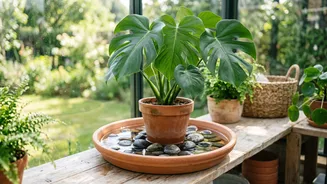
The most significant advantage of elevating your pots is drastically improved drainage. By lifting the pot just an inch or two with stones, bricks, or specialised 'pot feet', you create a clear exit path for excess water. This gap ensures that the drainage holes remain unobstructed, allowing water to flow freely away from the container. Preventing water from pooling at the base keeps the soil from becoming a soggy mess. Healthier roots lead to a more vigorous and resilient plant, better able to absorb nutrients and withstand environmental stress. Research has shown that raising containers can improve drainage efficiency by up to 30%, a significant margin that can be the difference between a thriving plant and a dying one.
Benefit 2: Improved Air Circulation
Roots need to breathe, and that requires airflow not just at the top of the soil but around the entire pot. Elevating a container allows air to circulate underneath, helping the soil at the bottom of the pot to dry out more evenly. This increased ventilation is crucial for maintaining a healthy root environment. When a pot sits flat on the ground, the base remains constantly damp, creating an anaerobic (oxygen-deprived) environment where harmful pathogens thrive. By creating an air gap, you introduce more oxygen into the root zone, which discourages the growth of the fungi and bacteria responsible for root rot.
Benefit 3: Pest and Disease Prevention
Constantly damp conditions are an open invitation for a variety of garden pests and diseases. Slugs, snails, and other crawling insects are attracted to the moist, dark environment underneath a pot sitting flat on the ground. By raising the pot, you make it a less hospitable habitat and a more difficult journey for these pests to reach your plants. Furthermore, the improved airflow and drier conditions help prevent the growth of fungus, mould, and algae on and under the pot. This simple step is an effective, chemical-free way to reduce your pest and disease problems.
Benefit 4: Protecting Your Patios and Decks
Beyond plant health, elevating your pots serves a practical purpose in preserving the surfaces they sit on. Pots, especially porous ones like terracotta, can trap moisture underneath them. This constant dampness can lead to unsightly water stains, mineral rings, and algae growth on your stone patios or paving slabs. On wooden decks, the effect is even more destructive, as trapped moisture can accelerate rot and decay. Lifting the pots allows the surface underneath to dry out quickly after rain, protecting your investment and keeping your outdoor spaces looking clean and well-maintained.
How to Elevate Your Pots
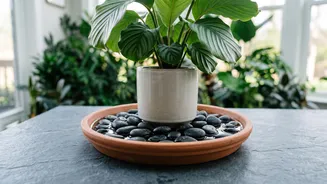
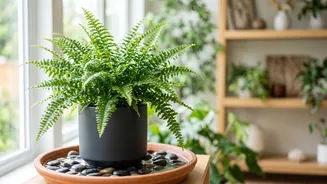
The good news is that elevating your pots is simple and inexpensive. You can purchase decorative pot feet, which come in various materials like terracotta, resin, or metal, often sold in sets of three. For most pots, three feet provide a stable, tripod-like base. Alternatively, you can use materials you may already have on hand. Flat stones, leftover bricks, or even plastic bottle caps can serve the purpose perfectly. The goal is to create a small but stable gap of an inch or so. Whatever you choose, ensure the pot is level and stable to prevent it from tipping over.