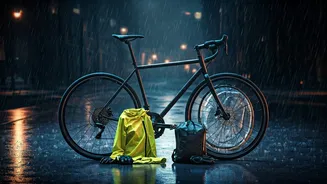







Full-Coverage Mudguards
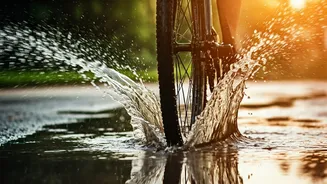
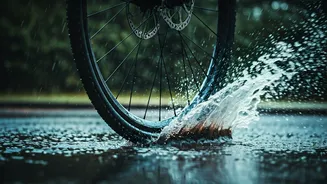
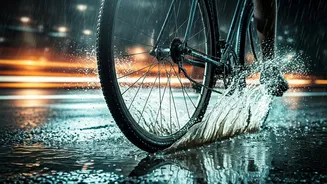
The single most important accessory for monsoon riding is a robust pair of full-coverage mudguards, or fenders. They are your first line of defence against the spray of muddy water kicked up by your own tyres. This not only keeps your back and legs clean
but also protects the cyclist behind you. More importantly, it significantly reduces the amount of grit and grime blasted into your bike's sensitive components, such as the drivetrain and headset bearings, preventing premature wear and tear. [2, 8] Investing in a quality set that offers maximum coverage is a small price to pay to avoid constant post-ride cleaning and expensive repairs.
A Truly Waterproof Jacket
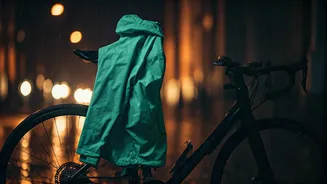
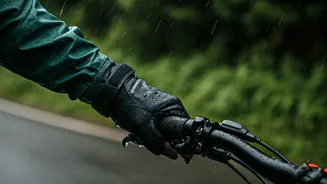
Staying dry is key to staying comfortable and warm. While a simple poncho might work for a light shower, dedicated cyclists need a proper waterproof and breathable jacket. Look for materials with a high waterproof rating and taped seams, which prevent water from seeping through the stitching. [9, 11] Breathability is just as crucial; without it, you'll end up soaked in your own sweat. [9] A good cycling-specific jacket will also feature a dropped tail to protect your lower back from road spray, a higher collar, and a fit that doesn't flap around in the wind, making it a worthy investment for any serious rider. [9, 16]
Bright, Reliable Lights
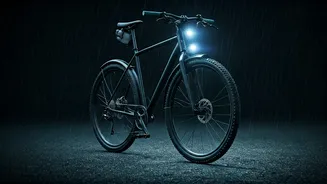
Visibility plummets during a downpour, making a powerful set of lights non-negotiable for safety. Rain and overcast skies can make you nearly invisible to motorists. [7] Equip your bike with bright front and rear LED lights, and ensure they are fully charged before every ride. [4] For urban riding, a front light of at least 200-300 lumens is recommended to be seen, while unlit roads demand 600 lumens or more. [14] Modern rear lights can offer upwards of 75 lumens, with flashing modes that are ideal for daytime use in the rain to grab the attention of drivers. [13, 14]
Wet-Weather Chain Lubricant
Rain washes away standard chain lube in minutes, leaving your drivetrain noisy and vulnerable to rust and rapid wear. A 'wet' chain lubricant is specifically designed for these conditions. [3, 5] Its thicker, more viscous formula clings to the chain, repelling water and ensuring your gears continue to shift smoothly. [5] After every wet ride, it’s crucial to clean the grime off your chain and re-apply a quality wet lube. [10, 15] This simple maintenance step is the number one priority to prevent a rusty, poorly performing drivetrain and will save you money on replacements in the long run. [5]
Waterproof Bags and Phone Protection
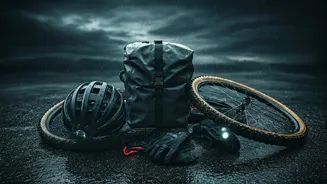
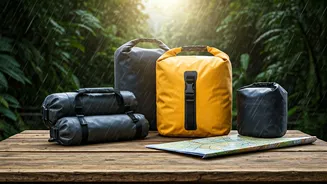
Whether you're commuting to work or just carrying essentials, keeping them dry is a must. Investing in waterproof panniers, a backpack, or even smaller frame and saddle bags is essential. [2, 4] These will protect your electronics, wallet, and a change of clothes from the heaviest downpour. For your phone, which can be a lifeline in an emergency, a dedicated waterproof case or even a simple, transparent zip-lock bag is a crucial and inexpensive way to prevent water damage while still allowing you to use the screen if needed. [2]
High-Visibility Apparel
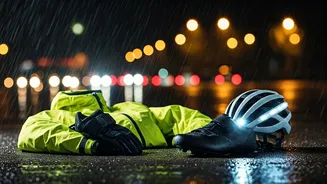
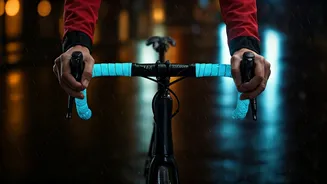
Beyond lights, making your entire profile more visible is a huge safety boost. Rain and spray significantly reduce a driver's ability to see. [4] Opt for brightly coloured jerseys and jackets in shades like neon green or orange. [4, 7] Reflective elements on your clothing, helmet, and even ankle straps catch headlights and make you stand out in low-light conditions. Wearing gear that makes you easily seen from all angles can be a literal lifesaver on dreary, wet roads. [24]