






The Indian coastline presents a choice: the vibrant, noisy pulse of a commercial marina, or the gentle, rhythmic life of a traditional fishing harbour. For travellers seeking calm and authenticity, the latter offers a profoundly 'cleaner' view.
The Soul of the Working Waterfront
Imagine
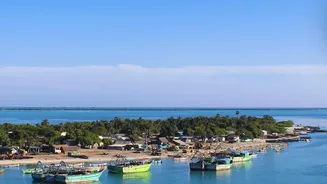
a coastline that wakes with the sun, not with the tourists. In a quiet fishing harbour, the day’s rhythm is dictated by the tides. The air smells of salt and fresh catch, not diesel fumes and sunscreen. Here, the scenery is one of function and tradition. Fishermen mend nets on the dock, their hands moving with generational knowledge. Colourful wooden boats, weathered by the sea, bob gently in the water, their bright hues a stark contrast to the monochrome utility of fibreglass yachts. This is a place of community and commerce in its most elemental form. The sounds are of seagulls calling, the clanking of rigging, and the low hum of conversation as the day's catch is sorted and sold. Places like Munambam in Kerala or the smaller jetties along the Konkan coast offer a glimpse into a life deeply connected to the sea, where the 'view' is an unfiltered look at culture and livelihood.
The Sensory Overload of Marina Strips
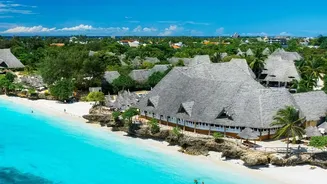
By contrast, the modern marina strip is built for consumption. It’s a landscape of high-density infrastructure—concrete promenades, sprawling resorts, and retail outlets. The view is often obstructed by massive yachts and commercial vessels, creating a visual clutter that stands between you and the sea. The atmosphere is charged with a different kind of energy: the thrum of powerful engines, the cacophony of music from waterfront bars, and the constant buzz of traffic. These hubs of coastal tourism are designed for high-volume activity, which brings with it significant noise and light pollution that disrupts the natural tranquillity of the coast. While vibrant and exciting for some, this environment creates a sensory overload that can obscure the very natural beauty travellers come to see. The focus shifts from the ocean itself to the commercial activities built alongside it.
A Different Definition of 'Clean'
The headline's promise of a 'cleaner' view extends beyond just visual aesthetics. Busy recreational marinas and the intense tourism they attract can have a significant environmental footprint. Large concentrations of motorised boats contribute to water and air pollution, while the construction of extensive coastal infrastructure can damage fragile habitats like wetlands and estuaries. Waste management becomes a serious challenge in high-density tourist areas, with litter often spoiling the shoreline. In contrast, traditional fishing villages, while not immune to challenges, often operate on a scale that is more integrated with the local ecosystem. Supporting sustainable tourism in these smaller communities encourages the preservation of both the environment and a way of life. It’s a 'cleaner' experience in the sense that it is less extractive and more harmonious, leaving a lighter touch on the environment.
Discovering India’s Quieter Coasts
For those in India wanting to trade the crowds for character, authentic fishing harbours are waiting to be explored. Kerala's extensive coastline is dotted with numerous fishing villages, from the bustling Neendakara Harbour in Kollam to the historic port of Beypore in Kozhikode. These places offer an authentic window into the state's maritime heritage. Further north, the coasts of Karnataka and Goa also have quieter coves and fishing communities scattered away from the main tourist beaches. A visit to these areas is about more than just a pretty picture; it’s an opportunity to connect with local culture, savour seafood just hours after it was caught, and witness a rhythm of life that has sustained coastal communities for centuries. It’s a chance to experience the coast not as a commodity, but as a living, breathing community.