

Dal Makhani, Minus the Heaviness
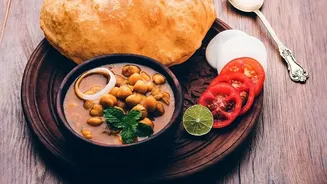
The traditional Dal Makhani is legendary for its creamy, buttery texture, often achieved with generous amounts of butter and cream. For a healthier version, the secret lies in smart substitutions. You can achieve a similar creamy consistency by reducing
the butter and replacing heavy cream with plain Greek yogurt or a smooth cashew cream. To make cashew cream, simply soak cashews in hot water and blend them into a fine paste. The slow-cooking process is key; let the lentils simmer to develop their own rich flavour and thickness. Many find that by mashing some of the lentils after cooking, you can create a thicker, more satisfying texture naturally, reducing the need for high-fat additions. This approach significantly cuts down on saturated fat while retaining the soulful essence of the dish.
Butter Chicken, Reimagined
Butter chicken is a global favourite, but its restaurant-style preparation can be laden with calories. A healthy home-cooked version is surprisingly easy to make. The foundation of a tender chicken is the marinade. Using plain or Greek yogurt not only tenderizes the chicken beautifully due to its lactic acid content but also serves as a low-fat base for the spices. When it comes to the sauce, you can create that iconic creamy texture by swapping out heavy cream for more Greek yogurt or a blend of yogurt and a small amount of milk. Grilling or pan-searing the chicken instead of frying it in pools of butter also makes a significant difference. You still get the smoky flavour without the extra fat, proving that a lighter butter chicken can be just as delicious.
The Baked (Not Fried) Samosa
The crispy, triangular delight of a samosa is a cherished snack, but its deep-fried nature makes it an occasional treat for many. Enter the baked samosa, a game-changer for snack lovers. By baking the pastries instead of frying them, you drastically reduce the oil content. To ensure a crisp crust, you can brush the samosas with a light coating of oil before they go into the oven. For the dough itself, using whole wheat flour instead of maida (refined flour) adds a significant nutritional boost, increasing the fibre content. The filling remains the same delicious spiced potato and pea mixture, so you lose none of the flavour, only the excess oil. Many who try it find the baked version just as satisfying, especially when served hot with your favourite chutney.
Khichdi Upgraded with Millets
Khichdi is the ultimate comfort and recovery food, known for being gentle on the stomach. The traditional recipe uses rice and lentils. To give this classic a powerful nutritional upgrade, simply replace the white rice with millets. Millets such as foxtail, barnyard, or kodo are rich in fibre, iron, and magnesium. This swap lowers the dish's glycemic index, making it more suitable for sustained energy release, and increases its dietary fibre by a large margin. The preparation method remains the same: a simple one-pot meal that is both healing and hearty. With the resurgence of interest in these ancient grains, millet khichdi is a return to tradition that happens to be perfectly aligned with modern health goals.
Gajar Ka Halwa with a Natural Sweetness
Winter isn't complete without the aroma of Gajar Ka Halwa simmering on the stove. This rich carrot dessert is traditionally made with a lot of sugar, ghee, and khoya. For a healthier twist, the most impactful change is replacing refined white sugar with jaggery (gud) or date palm jaggery (nolen gur). Jaggery is an unrefined sugar that retains more nutrients and imparts a unique, earthy sweetness that beautifully complements the carrots. You can also reduce the amount of ghee and skip the khoya without a major compromise on taste. The natural sweetness of the carrots, when slow-cooked in milk, shines through, and the jaggery adds depth and warmth, creating a dessert that feels both indulgent and wholesome.