



Setting Up for Success
The foundation of a healthy winter herb garden is the right setup. Your primary needs are good soil and proper containers. For herbs, it's best to use a commercial potting mix rather than dense garden soil, which compacts easily in pots and can suffocate
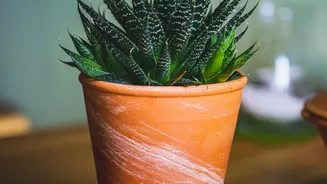
roots. A quality mix is light, drains well, and provides the aeration your herbs need. You can enhance a basic mix by adding perlite for drainage and some vermicompost for nutrients. Choose containers with ample drainage holes at the bottom. Without good drainage, water can pool at the roots, which is a common reason for plants failing, especially in winter when soil dries slower. Terracotta pots are a good choice as they are porous and allow soil to breathe, but any material is fine as long as water can escape.
Tending to Tulsi (Holy Basil)
Tulsi is a tropical plant and requires special attention during the Indian winter. Its biggest needs are sunlight and protection from cold. Find the sunniest spot in your home, ideally a south- or east-facing window or balcony that receives at least four to six hours of sunlight. If night temperatures drop significantly, consider moving the pot indoors overnight. Watering is the most critical part of winter care. Tulsi needs much less water in the cold, as its growth slows down. Always check the soil first; if the top inch feels dry, then it's time to water. Overwatering is the main cause of Tulsi plants dying in winter. Use room-temperature water to avoid shocking the roots. Lastly, pinch off any developing flower heads ('manjari') to encourage the plant to put its energy into producing lush leaves.
Mastering Mint in a Pot
Mint is a resilient herb that grows vigorously, making it an excellent choice for container gardening. In fact, growing it in a pot is often recommended to contain its enthusiastic spreading habit. While mint plants may go dormant outdoors, they can thrive inside through winter with the right care. Place your mint pot in a location that receives bright, indirect light. Unlike Tulsi, it doesn't need intense, direct sun. A bright windowsill will do just fine. Mint prefers consistently moist soil but dislikes being waterlogged. The rule of watering when the top inch of soil is dry applies here too. A pot that is at least eight inches in diameter will give the roots enough space to be happy. Harvest leaves regularly to encourage bushier growth and enjoy fresh mint for your tea and chutneys all season long.
Cultivating Coriander (Dhania)
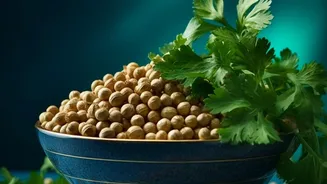
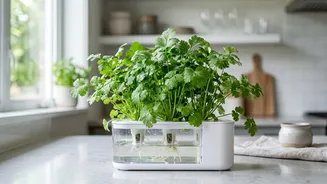
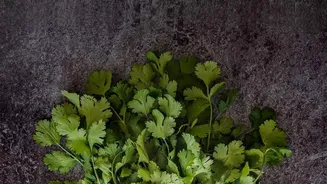
Fresh coriander, or dhania, is a staple in Indian cooking, and growing it at home ensures a constant supply. Coriander actually performs very well in the cooler weather of winter, as hot temperatures can cause it to 'bolt' or flower prematurely. It's best to sow coriander seeds directly into the container where they will grow, as the plant dislikes having its roots disturbed during transplanting. Choose a pot that is wide rather than deep. Before sowing, you can gently split the coriander seeds into two halves to improve germination. Soaking them overnight also helps. Place the pot in a spot with full sun, which is especially important during winter days. Keep the soil consistently moist but not overly wet. You can begin harvesting the leaves when the plant is about six inches tall. Snip the outer, larger leaves first, allowing the inner leaves to continue growing for a continuous harvest.
Smart Tips for Small Spaces
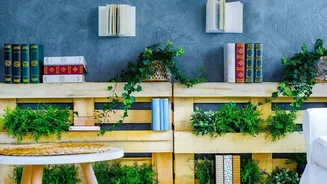
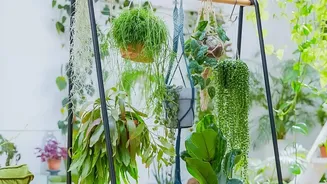
Limited space is not a barrier to a thriving herb garden. Vertical planters are an excellent solution, allowing you to grow multiple herbs in a small footprint. Hanging pots near a sunny window also work well, freeing up floor and counter space. You can group herbs together in a larger container, but be mindful of their different needs. For example, sun-loving Tulsi and cooler-weather coriander may need separate pots. Another space-saving trick is to use railing planters on your balcony. To keep plants healthy in winter, elevate pots off cold floors to protect roots from the chill. Also, rotate your pots every few days to ensure all sides of the plants get exposure to light, promoting even growth instead of having them lean towards the window.