


The Protective Power of Pigment
At the heart of this innovation is melanin, the same pigment that colours our skin and hair and protects us from the sun's ultraviolet (UV) rays. But not all melanin is created equal. Researchers have been particularly interested in the melanin found
in squid ink and in certain types of fungi that thrive in high-radiation environments, like the site of the Chernobyl nuclear disaster. This natural polymer has an incredible ability to absorb and dissipate a wide spectrum of energy, from UV light to more powerful ionizing radiation like gamma rays and cosmic rays. This makes it a perfect candidate for shielding sensitive electronics and materials from harm.
From Nature to a High-Tech Lab
While natural melanin is effective, harvesting it from sources like squid is not scalable. Instead, scientists have developed bio-synthetic versions. By studying the chemical structure of the most robust natural melanins, they can now create them in a lab. This process not only avoids harming any animals but also allows researchers to fine-tune the material's properties, potentially making it even more effective than its natural counterpart. These engineered melanins can then be formulated into a liquid coating that can be applied to various surfaces, much like paint.
A Shield for Our Energy Future
One of the most promising applications for this technology is in the solar energy sector. A key challenge for solar panels is degradation over time. Constant exposure to UV radiation breaks down the protective polymers in the panels, causing them to yellow and become less efficient. In some regions, this can shorten a panel's lifespan by up to a decade. A melanin-based coating could act as a powerful sunscreen for solar panels, absorbing the damaging UV radiation and converting it into harmless heat. This would not only extend their operational life but also maintain their peak energy-conversion efficiency for longer, making solar energy a more reliable and cost-effective investment.
Beyond Earth: Protecting Tech in Space
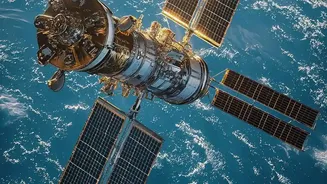
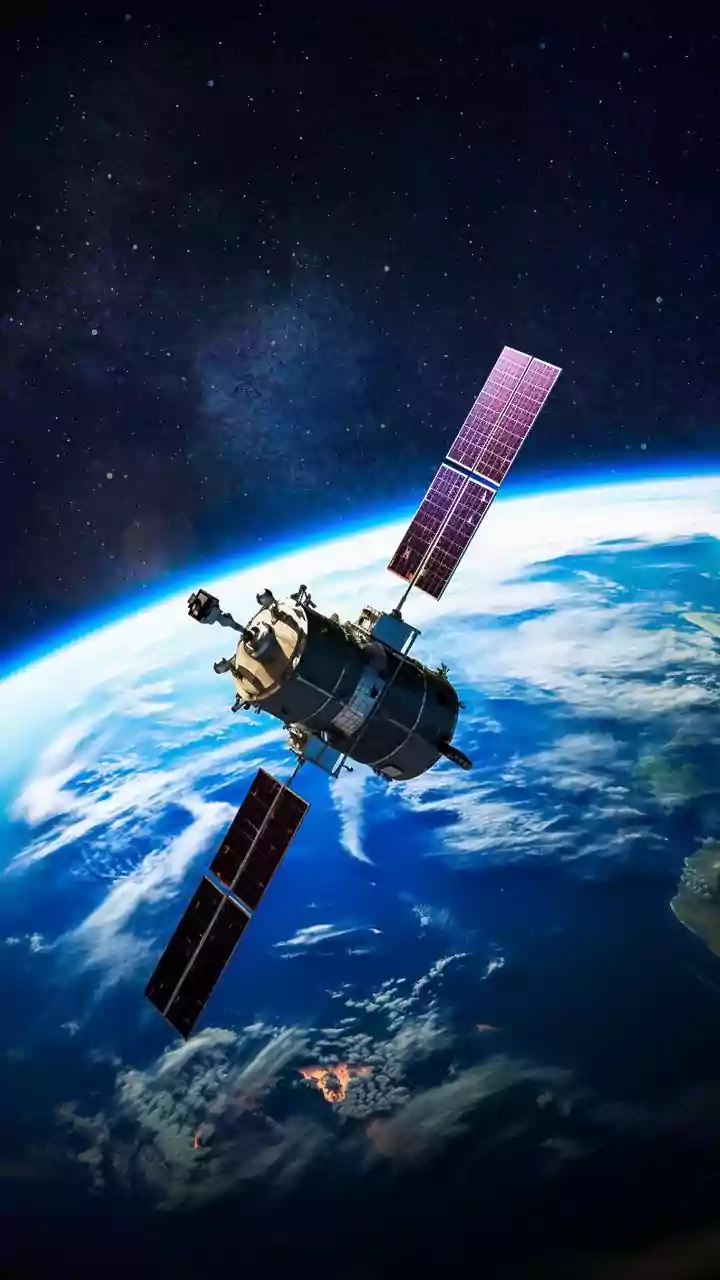
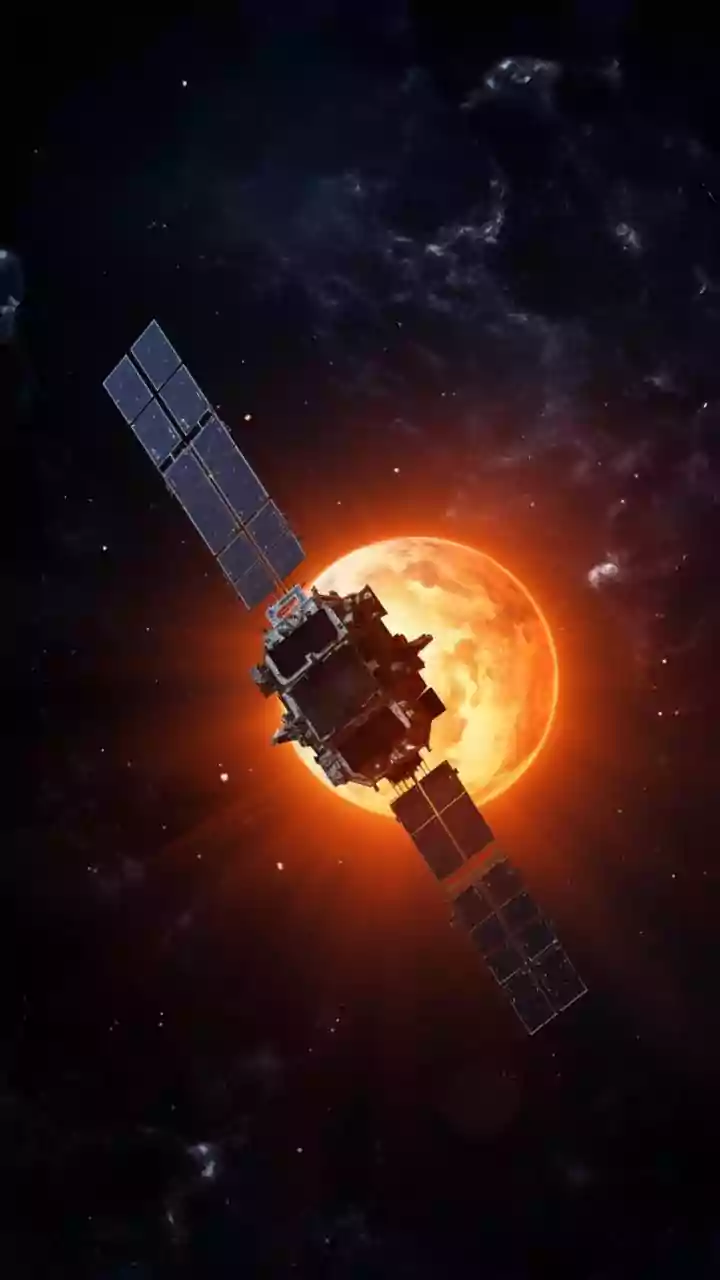
The problem of radiation is even more severe in space. Away from the protection of Earth's atmosphere and magnetic field, satellites and spacecraft are bombarded with high-energy cosmic rays. This radiation can degrade materials and cause catastrophic failures in electronic systems. Traditional shielding materials like lead or thick aluminium are heavy, and every kilogram is expensive to launch into orbit. Melanin offers a lightweight, highly efficient alternative. A thin coating could protect everything from spacecraft hulls and sensitive optical equipment to the solar panels that power the missions, making long-duration space travel and exploration safer and more feasible.
Relevance for India's Ambitions
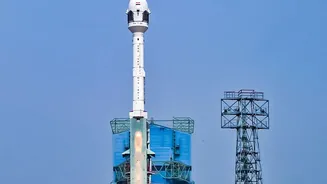
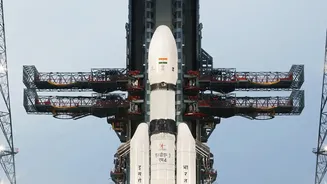
This technology holds particular significance for India. With one of the world's most ambitious solar energy programs, extending the lifespan and efficiency of solar farms is a major economic and environmental priority. More durable panels mean a better return on investment and more consistent clean energy production. Furthermore, as the Indian Space Research Organisation (ISRO) embarks on increasingly complex missions, including potential long-duration spaceflights, the need for advanced, lightweight radiation shielding becomes critical. Melanin-based composites could be a key enabling technology for protecting both robotic and human explorers in the harsh environment of space.