





A New Dawn for Night Travel
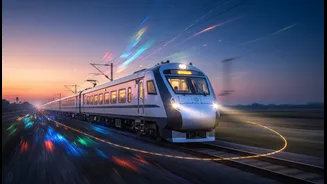
Indian Railways is rolling out the Vande Bharat sleeper, a modern, semi-high-speed train designed specifically for overnight routes. This initiative marks a significant step in the country's railway modernization plan. The first commercial service was
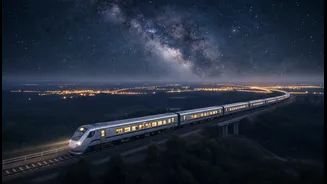
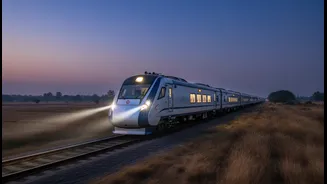
launched in January 2026 between Howrah and Guwahati, and momentum is building with new routes being added. Just recently, on July 17, 2026, the second sleeper service, named the Sant Ravidas Express, was flagged off to connect Varanasi and Chheharta (near Amritsar), signaling a clear intent to expand this new network. Unlike the chair-car versions of the Vande Bharat, which redefined daytime inter-city travel, the sleeper variant aims to transform long-distance night journeys of 800 to 1,200 kilometers. The vision is clear: to offer a faster, more comfortable, and technologically superior alternative to the existing fleet of overnight trains.
Next-Generation Comfort and Speed
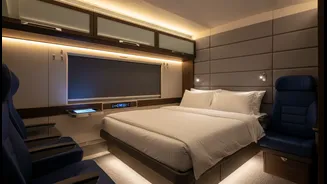
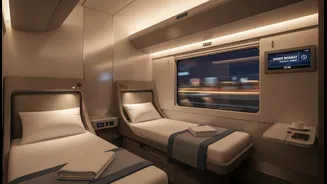
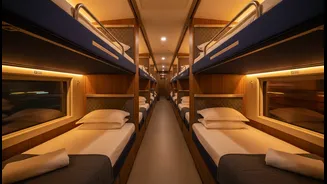
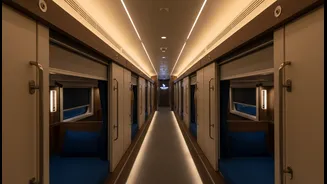
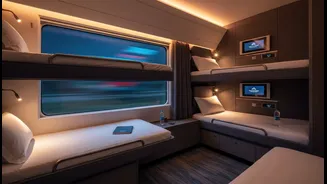
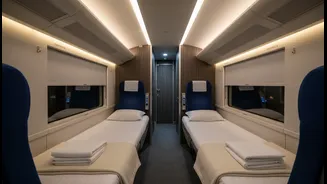
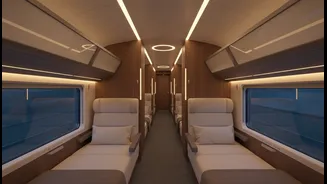
The Vande Bharat sleeper isn't just an incremental update; it's a complete reimagining of the passenger experience. The 16-coach trains, with a capacity of around 823 passengers, feature a mix of AC First, Two-Tier, and Three-Tier classes. The interiors are designed for superior comfort, with ergonomically designed berths, ambient lighting, and sensor-based amenities in the modern toilets. A key highlight is the focus on a smooth, jerk-free ride, demonstrated in trials where the train hit speeds of 180 kmph without spilling a glass of water. While its operational speed is capped at 160 kmph, this still represents a significant time-saving on many routes. Fully sealed gangways keep the interiors quiet and dust-free, while features like automatic doors, Wi-Fi, and CCTV cameras bring Indian Railways' sleeper service firmly into the 21st century.
Challenging the Rajdhani Legacy
For over fifty years, the Rajdhani Express has been the gold standard for premium overnight travel in India. Now, the Vande Bharat sleeper is poised to take its place. The new trains are being explicitly developed to be superior to the Rajdhani fleet in almost every aspect. While Rajdhanis are hauled by locomotives, Vande Bharat trains are self-propelled trainsets, which allows for faster acceleration and deceleration, cutting down journey times. The ride quality, interior aesthetics, and passenger amenities are all designed to offer a significant upgrade. The launch of Vande Bharat sleepers on key Rajdhani corridors, like the recently announced Delhi-Patna route, makes the succession plan clear. The goal is to phase out older premium trains and establish the Vande Bharat as the new benchmark for long-distance comfort and speed.
The Road to a National Network
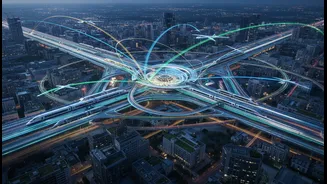
The initial launches are just the beginning of a nationwide rollout. Indian Railways plans to replace most premium long-distance trains with Vande Bharat sleepers over the next decade. A consortium of BEML and Titagarh Rail Systems is tasked with manufacturing 80 of these new trainsets, while another 120 are being built by an Indo-Russian joint venture. Though some production timelines face delays, the intent from the government is to push forward. High-demand routes connecting major commercial and cultural hubs are being prioritized. Following the Howrah-Guwahati and Varanasi-Chheharta lines, services like Bengaluru-Mumbai are eagerly awaited, promising to slash travel times between India's major cities. This ambitious expansion is one of the most visible parts of a massive investment aimed at upgrading India's entire railway infrastructure by 2030.