






The Hydrating Hero: Lauki
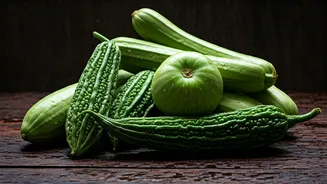
Bottle gourd, or lauki, is perhaps the quintessential monsoon vegetable. Often unfairly dismissed as bland, this humble gourd is a powerhouse of nutrition perfectly tailored for the rainy season. Its most significant benefit is its incredibly high water
content (about 92%), which helps keep you hydrated. During the monsoon, when we might not feel as thirsty, maintaining hydration is crucial for overall health. Furthermore, lauki is extremely easy to digest and light on the stomach. The damp weather can sometimes slow down our digestive system, making heavy, oily foods a poor choice. A simple lauki curry or soup provides essential nutrients without burdening your gut. It’s also rich in fibre, aiding bowel movements, and contains essential minerals like sodium, potassium, and iron.
The Immunity Booster: Karela
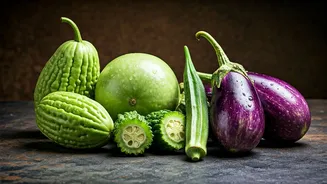
Yes, it’s bitter. But the health benefits of karela, or bitter gourd, make it worth acquiring a taste for. The monsoon is notorious for bringing a spike in infections, from the common cold to stomach bugs. Karela is packed with Vitamin C and powerful antioxidants that help fortify the immune system, making your body better equipped to fight off these seasonal ailments. Its bitter compounds are also known to stimulate the liver and improve digestion. Traditionally, it's been used in Indian medicine to help manage blood sugar levels and purify the blood. Rather than avoiding it, try cooking it with balancing ingredients like onions, potatoes, or a dash of jaggery to mellow its sharp flavour while reaping its incredible protective benefits.
The Gut-Friendly Favourite: Bhindi
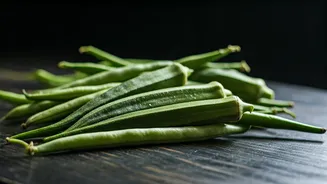
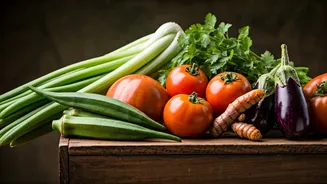
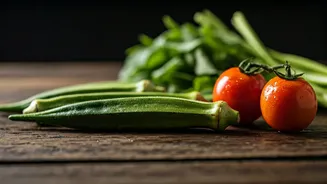
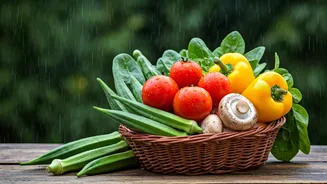
Okra, or bhindi, is a beloved vegetable across India, and it truly shines during the monsoon. Its slightly slimy texture when cooked is due to mucilage, a type of soluble fibre that is fantastic for digestive health. This fibre helps regulate digestion, prevents constipation, and feeds the good bacteria in your gut—a key component of a strong immune system. Bhindi is also a low-calorie vegetable loaded with Vitamin C, Vitamin K, and folate. Whether you prefer it crispy as 'kurkuri bhindi' or in a simple stir-fry, including it in your monsoon diet is a delicious way to support your gut and overall wellness.
The Cooling Cleanser: Turai
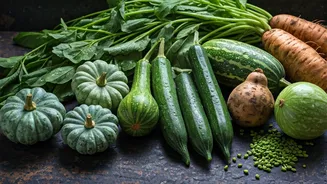
Ridge gourd, known as turai or tori, is another water-rich vegetable that’s ideal for the monsoon. Like lauki, it has a cooling effect on the body and is very easy to digest. In Ayurvedic traditions, turai is considered a natural cleanser, believed to help purify the blood and support liver function. It's an excellent source of dietary fibre, which promotes satiety and digestive regularity. Its high content of Vitamin C and zinc further contributes to a robust immune system. Its subtle, sweet flavour makes it versatile for simple curries, dals, or even chutneys, offering a light yet nutritious addition to your meals.
The Quiet Contender: Parwal
Pointed gourd, or parwal, might not be as famous as bhindi or lauki, but it’s a nutritional heavyweight during the monsoon. It's packed with vitamins A and C, antioxidants, and trace minerals. These nutrients are vital for keeping seasonal illnesses like coughs, colds, and headaches at bay. Parwal is also known for its ability to soothe the stomach and is considered a valuable vegetable for maintaining good digestive health. It's a low-calorie vegetable that can be prepared in various ways—stuffed, fried, or in a rich gravy—making it a versatile choice for your rainy-day menus.
The Comforting Classics: Bhutta & Shakarkandi
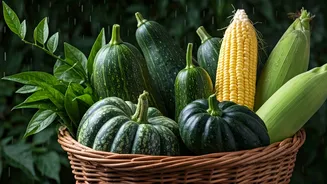
While not gourds, no monsoon food list is complete without corn (bhutta) and sweet potato (shakarkandi). The sight of a street vendor roasting bhutta over hot coals is an iconic monsoon image. Corn is a good source of fibre and antioxidants. When roasted and seasoned with lemon juice and spices, it’s a healthy and satisfying snack. Similarly, shakarkandi is a complex carbohydrate that provides sustained energy. It’s loaded with fibre, vitamins, and minerals, particularly Vitamin A. It’s a comforting, nutrient-dense food that keeps you full and nourished during the cool, damp weather.