



Your Car Deserves a Post-Monsoon Check-up
Months of rain, mud, and humidity can take a toll on your vehicle. Before you head out, a thorough inspection is crucial. Pay close attention to your tyres; ensure they have adequate tread depth, as worn tyres struggle for grip on still-damp or broken
roads. Check your brakes, as moisture and dirt can affect their performance. Test your headlights, taillights, and indicators, as post-monsoon skies can still be overcast, reducing visibility. Don't forget the wiper blades—replace them if they leave streaks. Finally, get the underbody of your car washed to remove caked-on mud and debris, which can trap moisture and lead to rust. A quick check of the battery and electricals is also wise, as high humidity can cause corrosion on terminals.
Navigating the Pothole Obstacle Course
Potholes are the most common and damaging legacy of the monsoon. These craters, often hidden under puddles, can cause significant damage to your tyres, wheels, and suspension. The best defence is to drive slowly and maintain a safe distance from the vehicle in front of you. This gives you more time to spot and react to hazards. If you can't avoid a pothole, don't brake hard while hitting it. Braking causes the car's weight to shift forward, compressing the suspension and reducing its ability to absorb the impact, which can increase damage. Try to keep a firm grip on the steering wheel and roll through it at a steady, slow speed. Avoid sudden swerving, as this can endanger other drivers.
Beware of Hidden Water Traps
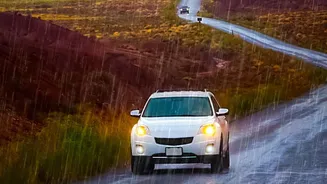
Waterlogged roads can persist long after the rains have stopped. Driving through standing water is always risky. It’s nearly impossible to gauge the depth or see hidden dangers like open manholes, deep potholes, or debris. As a rule, avoid driving through any water that appears to be more than a few inches deep. Just six inches of water can be enough to cause your engine to stall, and a foot of moving water can sweep a small car away. If you must proceed, drive slowly and steadily in a low gear to prevent water from entering the engine's air intake. After passing through water, gently tap your brakes a few times to help dry them out and restore their effectiveness.
Extra Caution for Hilly Terrains
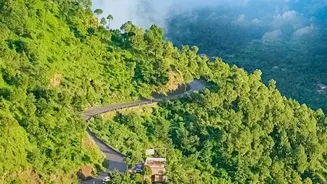
Post-monsoon is a beautiful time to visit the hills, but it’s also when the risk of landslides is highest. Saturated soil on steep slopes can give way without warning, especially after intense rainfall. Before travelling to a hilly region, check the weather forecast and local advisories for any landslide warnings. Stick to well-maintained national highways where possible, as they are generally more stable. While driving, be vigilant for warning signs like trickles of mud, falling rocks, or freshly cracked earth. Avoid driving in the hills at night when visibility is poor. Always maintain a slow, steady pace and be prepared to turn back if conditions seem unsafe. Many regions, like parts of Himachal Pradesh and Uttarakhand, have known vulnerable stretches that are best avoided during this period.
Your Essential Post-Monsoon Trip Kit
Being prepared can turn a potential crisis into a minor inconvenience. For any post-monsoon road trip, your car should be equipped with a few essentials. A basic toolkit, including a jack and lug wrench for changing a tyre, is non-negotiable. A tyre inflator and a puncture repair kit can be lifesavers on remote roads. Pack a comprehensive first-aid kit with supplies for common injuries and motion sickness. A powerful flashlight with extra batteries is crucial for any nighttime issues. Given the unpredictable nature of post-monsoon travel, it’s also smart to carry extra drinking water and non-perishable snacks. Finally, ensure all your vehicle documents, including your driving license, RC, and insurance, are easily accessible.