


The Relentless Coastal Threat
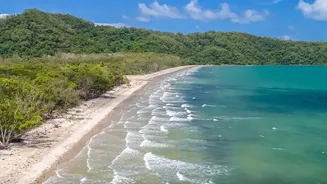
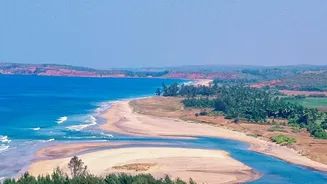
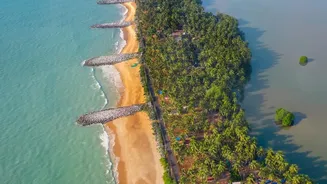
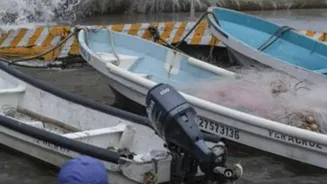
India's eastern coastline, spanning states like Tamil Nadu, Andhra Pradesh, Odisha, and West Bengal, is a hotspot for tropical cyclones and the storm surges they generate. For centuries, the fishing villages dotted along this coast have lived with this threat.
However, with climate change, storms are becoming more frequent and intense. Events like Cyclone Yaas in 2021 brought devastating flooding, saline water intrusion into agricultural fields, and widespread erosion, making life increasingly precarious for millions who depend on the sea. This constant battle against the elements has traditionally been met with evacuation plans and engineered structures, but communities are now embracing a time-tested, natural solution.
Nature’s First Line of Defence
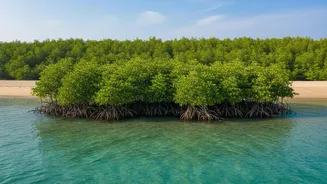
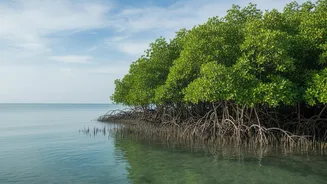
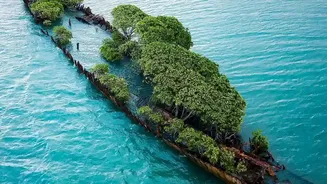
Mangroves are nature’s own coastal engineers. These unique trees thrive in the salty, brackish water where land meets sea. Their dense, tangled root systems are the key to their protective power. When a storm surge or tidal wave rolls in, it is met by this intricate underwater mesh of roots, which acts as a natural breakwater. The energy of the waves is drastically reduced as they pass through the forest. Studies have shown that just 100 metres of mangroves can reduce wave height by up to 66%. This process slows the water, reduces the force of impact, traps sediment to prevent erosion, and significantly lessens the extent of inland flooding.
From Victims to Guardians
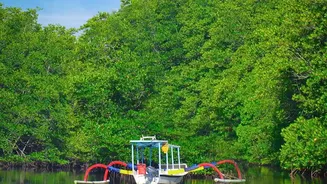
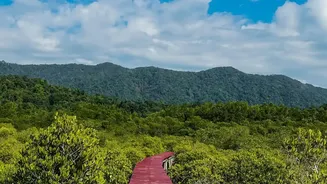
The most powerful aspect of this green revival is that it is being led by the communities themselves. Villagers who once faced the brunt of nature's fury are now its most dedicated stewards. In Odisha's Kendrapara district, for example, residents of villages like Badakot have transformed barren mudflats into thriving mangrove forests. After seeing their lands and livelihoods destroyed by repeated cyclones, villagers, guided by environmentalists and forest departments, began planting native mangrove species. Women have been at the forefront of many of these initiatives, establishing nurseries, planting saplings, and managing the restored forests. These projects, such as those in the Sundarbans and coastal Odisha, show a powerful shift from passive vulnerability to active resilience.
More Than Just a Green Wall
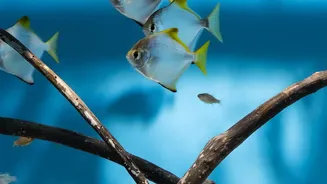
The benefits of these community-led bio-shields extend far beyond just storm protection. Mangrove forests are among the most productive ecosystems on Earth. Their roots provide a safe and nutrient-rich nursery for countless species of fish, crabs, and prawns. For fishing communities, this means healthier fish stocks and a direct boost to their primary source of income and food security. Fishermen in restored areas report significant increases in their daily catch. Furthermore, these forests are incredible carbon sinks, capturing and storing vast amounts of carbon dioxide from the atmosphere, which helps mitigate climate change. They also provide fodder for livestock and other essential resources, creating a sustainable local economy built around conservation.
A Sustainable Path Forward
The success of these community-led initiatives provides a powerful model for coastal resilience across the country and the world. By putting local communities, particularly women, at the heart of conservation efforts, these projects ensure long-term sustainability. Their local knowledge, combined with scientific support from government agencies and NGOs, creates a robust framework for ecological restoration. The story of India’s eastern coast is a testament to the fact that sometimes the most effective solutions are not built, but grown. These living barriers are more than just trees; they represent hope, empowerment, and a wiser relationship between humanity and the environment.