


Patra and Its Many Avatars
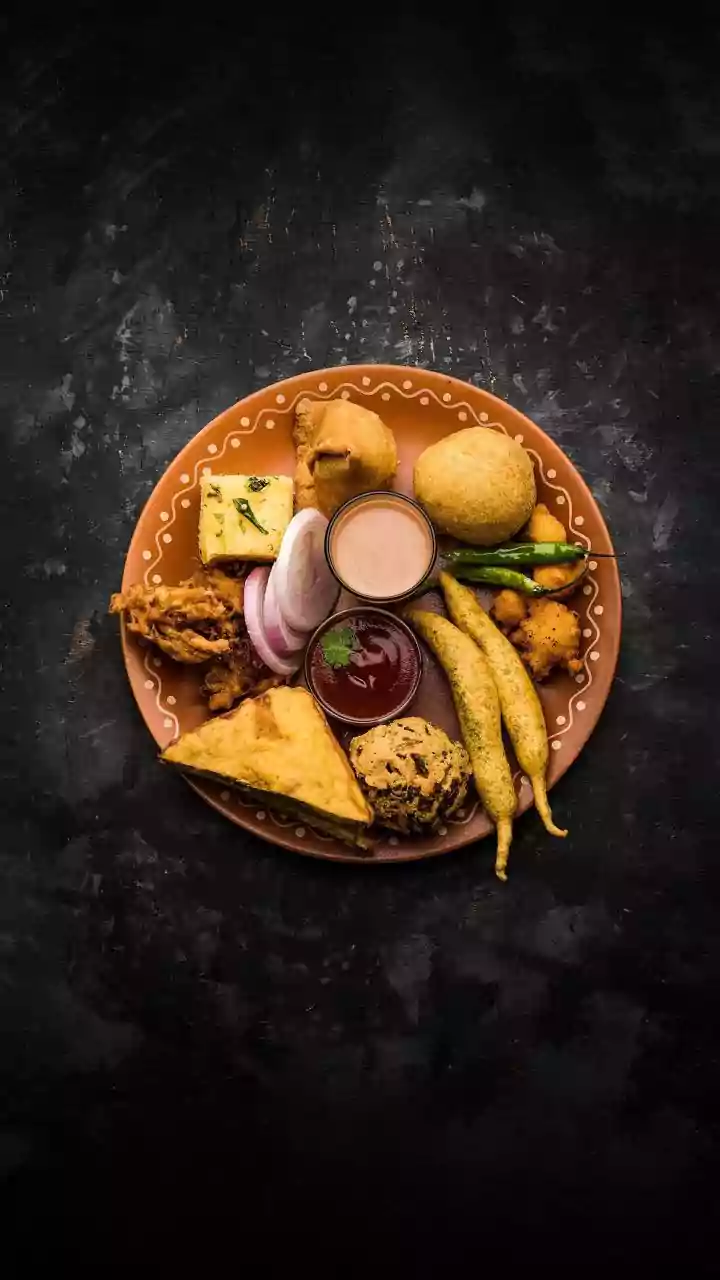
Across the western and southern coasts, the monsoon brings a bounty of large, heart-shaped colocasia leaves. Known as Patra in Gujarat, Aluchi Vadi in Maharashtra, and Pathrode in coastal Karnataka, this dish is a testament to regional ingenuity. The
leaves, which can cause irritation if not prepared correctly, are slathered with a spiced paste—often made from gram flour (besan) or a rice and coconut mixture—then rolled, steamed, and finally either shallow-fried or tempered. This careful process neutralizes the irritating compounds in the leaves, turning a humble, foraged green into a celebrated savoury snack. The variations in the spice paste, from tangy and sweet in Gujarat to coconut-heavy in the south, tell a story of local tastes and traditions.
The Rise of Wild Greens
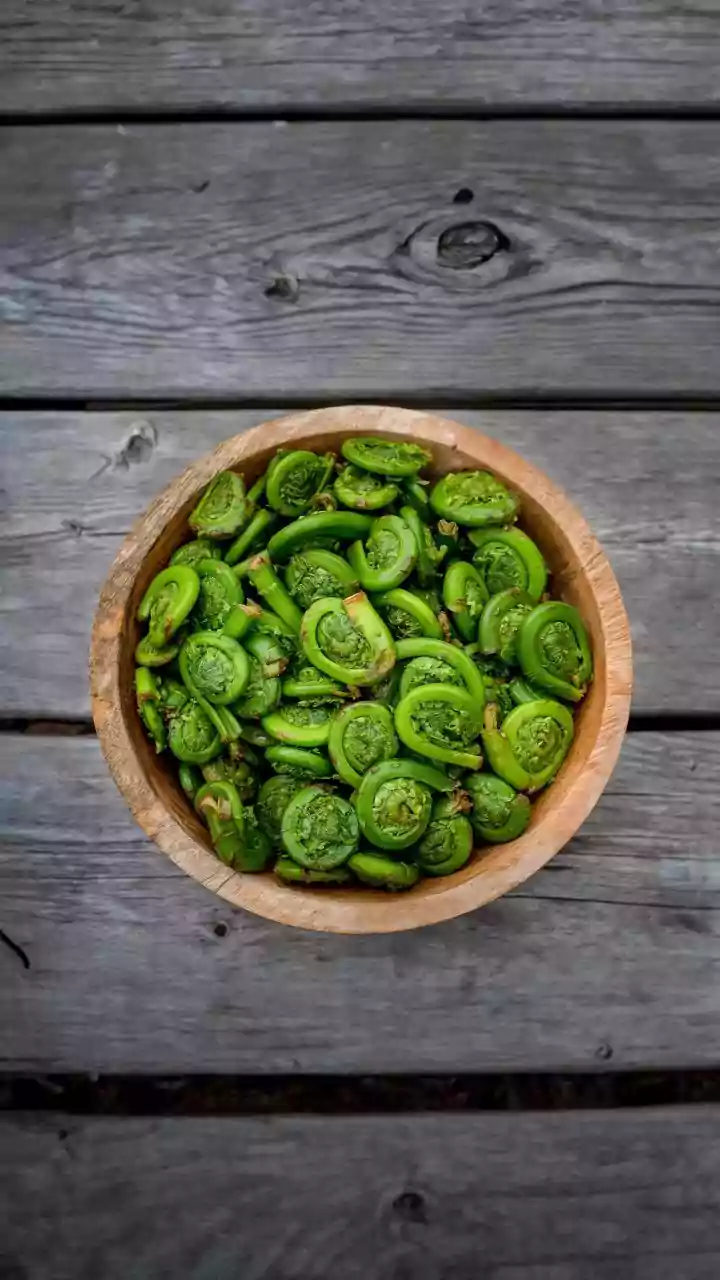
For generations, the monsoon has been a time for foraging. Many communities, particularly in states like Maharashtra, Goa, and across the Northeast, have traditionally relied on 'raan bhajis' or wild vegetables that appear only during the rains. One such prized green is Phodshi, a delicate, grass-like vegetable available for only a few weeks. It has a mild, vegetal flavour and is often simply sautéed with garlic and chillies. Another is Shevla, or Dragon Stalk Yam, which emerges from forest floors after the first showers and is prized for its earthy, almost meaty texture. These greens are not just a source of nutrition; they represent a deep ecological knowledge, connecting communities to the land and its transient gifts.
Kantola: The Spiny Superfood
Often called spiny gourd or teasel gourd, Kantola is a small, green, spiky vegetable that thrives during the monsoon. Despite its unusual appearance, it is a nutritional powerhouse, packed with vitamins, low in calories, and rich in fibre. Traditional wisdom and Ayurvedic principles value Kantola for its ability to aid digestion and boost immunity, making it an ideal food for a season when the body is more susceptible to infections. Its anti-allergen properties are also believed to help keep seasonal coughs and colds at bay. Typically cooked as a simple stir-fry or in curries, its mild taste makes it a versatile and healthful addition to the monsoon diet.
Horse Gram Rasam: A Warming Brew
In South India, particularly Karnataka, the onset of cooler, damp weather calls for Kollu or Huruli Rasam, a thin soup made from horse gram. Horse gram is known for its warming properties in Ayurveda, believed to generate heat in the body, making it a perfect antidote to the monsoon chill. The legume is cooked, and its nutritious stock is then simmered with tamarind, tomatoes, and a distinctive blend of roasted spices like pepper and cumin. This resulting rasam is not only tangy and aromatic but also packed with protein and iron. Often served with steamed rice or simply sipped as a soup, it’s a comforting and restorative dish that embodies the soul of monsoon wellness.
Jackfruit Seeds: The Zero-Waste Ingredient
Long before 'zero-waste' became a culinary trend, Indian kitchens were masters of using every part of an ingredient. During the monsoon, when fresh produce could be scarce, sun-dried jackfruit seeds stored from the summer months would become a staple. These seeds, with their creamy texture and mild, nutty flavour, were traditionally boiled and added to curries, dals, and stir-fries across regions. In Kerala, they might be found in a dish with greens, while in the Konkan region, they star in a flavourful curry called Bikkand Gashi. Rich in nutrients, they provide a hearty, substantial element to meals, proving that some of the most delicious traditions are born from frugality and resourcefulness.