




The Breakfast Dilemma
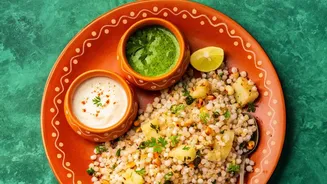
For generations, the Indian breakfast table has been a vibrant affair. From parathas in the north to idlis in the south, morning meals are traditionally elaborate, flavourful, and savoury. However, these beloved dishes, while delicious, are often carbohydrate-heavy
and time-consuming to prepare. As urban lifestyles accelerated and commutes grew longer, the need for a quick, convenient, and healthy breakfast became more pressing. Many urban professionals and students began skipping breakfast altogether, a habit linked to numerous health risks. This created a gap in the market and in the kitchen—a need for a meal that was both fast and nourishing, without sacrificing the savoury flavours the Indian palate craves.
Oatmeal's Awkward Introduction
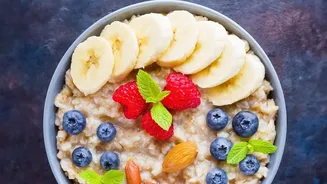
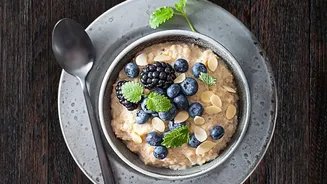
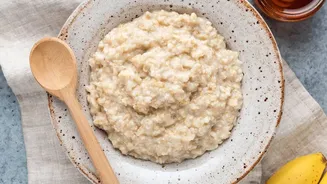
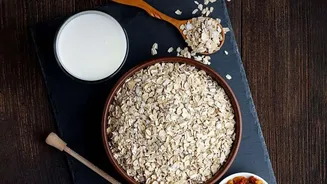
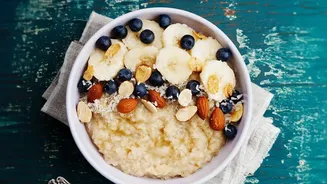
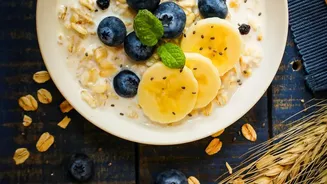
When oats first entered the Indian market, they were positioned primarily as a health food, often recommended for managing cholesterol and heart health. Brands like Quaker marketed plain oats, which consumers were expected to prepare in the Western style: boiled with milk or water and sweetened with fruit or honey. For a population accustomed to starting the day with spices and salt, this sweet, often mushy concoction was a hard sell. It felt more like patient food than a satisfying meal, leaving oats as a niche product for the ultra health-conscious, rather than a mainstream breakfast choice.
The Fitness Boom Changes Everything
The last decade has seen a massive boom in fitness culture across urban India. Gyms, yoga studios, and fitness influencers on social media have made health and wellness aspirational and accessible. This new wave of health-consciousness was different; it wasn't just about managing illness but about actively pursuing fitness, building muscle, and managing weight. A high-protein, high-fibre breakfast became a non-negotiable part of this lifestyle. Oats, with their impressive nutritional profile—rich in beta-glucan fibre, protein, and complex carbohydrates for sustained energy—were the perfect candidate. The only problem was the taste.
The Savoury Solution: An Indian Makeover
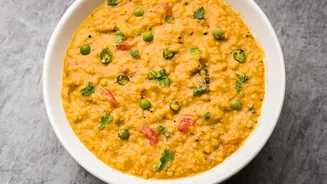
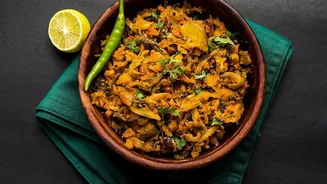
The true genius of the trend was in its adaptation. Instead of trying to change Indian taste buds, home cooks and food brands changed the oats. The answer was simple: make it savoury. Thus, the 'masala oats' or 'oats upma' was born. The method involves treating oats just like semolina (suji) or flattened rice (poha). A tempering of mustard seeds, curry leaves, and onions forms the flavour base. To this, a host of vegetables like carrots, peas, and tomatoes are added, followed by classic Indian spices: turmeric, cumin, coriander, and a touch of garam masala. The oats are then cooked with these ingredients, absorbing all the spicy, tangy flavours. The result is a dish that is nutritionally powerful yet tastes distinctly Indian, satisfying the cultural craving for a warm, spiced breakfast.
From Niche Health Food to Mainstream Staple
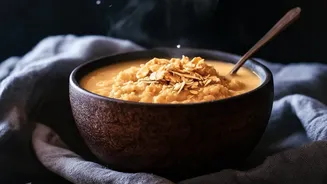
This culinary fusion was a resounding success. Brands like Saffola and Quaker quickly launched their own pre-packaged masala oats variants, marketing them as a quick, 3-minute healthy snack or meal. These instant versions positioned themselves directly against instant noodles, claiming to be a healthier alternative with less fat and more fibre. The convenience and familiar taste profile resonated with busy urban consumers, from students to working professionals. Once a foreign concept, savoury oats are now a fixture in Indian kitchens and on supermarket shelves, praised for keeping you full longer and supporting weight management goals. The trend showcases a perfect synergy: a global health food finding a permanent home in India by embracing local flavours, all thanks to the modern urban quest for a fitter life.