




The Making of a Global Hotspot
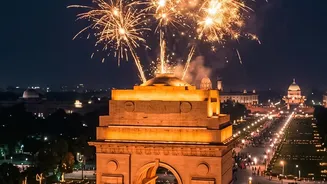
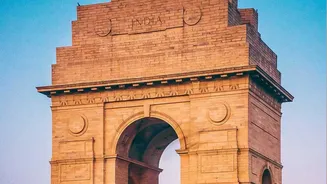
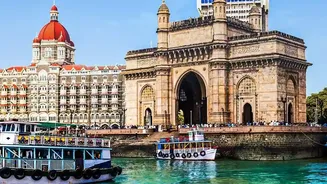
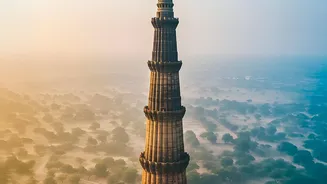
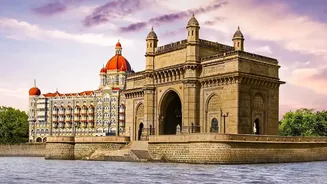
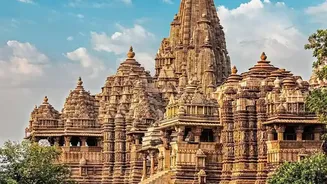
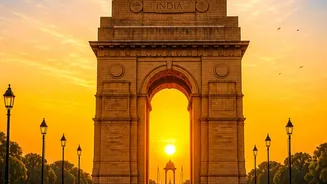
India's journey towards becoming a premier global destination is fuelled by a potent mix of ancient allure and modern momentum. For years, its diverse tapestry—from the snow-capped Himalayas to the sun-drenched beaches of Kerala—has captivated travellers.
But today, this appeal is amplified by significant government focus and infrastructure development. Initiatives like the Swadesh Darshan scheme are revitalizing tourist circuits, while massive investments in airports, highways, and rail corridors are making the country more accessible than ever. The World Travel & Tourism Council (WTTC) has taken note, selecting India to host its prestigious Global Summit in 2027, a clear nod to the nation's rising prominence in the sector. This growing appeal is not just about convenience; it's about a renewed global interest in authentic cultural and spiritual experiences, areas where India possesses unparalleled depth. The country's travel and tourism economy has seen remarkable growth, positioning it as one of the world's fastest-growing markets.
Lessons from Destinations Past
Being crowned a 'Destination of the Year' can be a double-edged sword. History shows that when global attention focuses on one location, it often triggers a massive influx of visitors. This can bring an economic boom but also significant challenges. Cities like Barcelona and Venice have famously struggled with 'overtourism', where the sheer volume of visitors strains local infrastructure, drives up living costs for residents, and diminishes the very authenticity that made them attractive in the first place. The phenomenon can lead to environmental degradation and alienate local communities who feel their homes are being turned into theme parks. For India, the lesson is clear: managing growth is as important as attracting it. The key will be to learn from these examples by proactively developing strategies that disperse tourists beyond the usual hotspots, protect fragile ecosystems, and ensure that the economic benefits of tourism are shared equitably with local populations.
India's Unbeatable Edge
So, what sets India apart as we look towards 2027? It's the sheer, unmatched variety of memorable experiences on offer. Beyond the iconic Taj Mahal, travellers are increasingly seeking out niche and immersive journeys. There's a growing demand for wellness tourism, with visitors flocking to yoga and Ayurveda retreats. Culinary tourism is another major draw, as people explore the subcontinent's incredibly diverse regional cuisines. Adventure seekers can find everything from white-water rafting in the north to trekking through pristine landscapes in the Northeast. Furthermore, the rise of spiritual tourism, with developing corridors around sites like Ayodhya and Bodh Gaya, taps into a deep, global quest for meaning. These unique selling propositions, combined with an increasing preference for authentic cultural immersion over traditional luxury, place India in a powerful position to capture the imagination of the modern traveller.
The Road Ahead: Balancing Growth and Responsibility
The path to becoming a truly celebrated global destination by 2027 requires navigating significant challenges. While major infrastructure projects are underway, last-mile connectivity to remote areas remains a hurdle. More importantly, the surge in tourism must be managed sustainably. This means robust policies for waste management, water conservation, and the protection of India's incredible biodiversity. The Indian government has already formulated a national strategy for sustainable tourism, aiming for a carbon-neutral and resource-efficient sector. Success will depend on empowering local communities through initiatives like homestays and community-led tourism, ensuring they become stewards and primary beneficiaries of the industry's growth. The goal is not just to increase tourist numbers but to build a resilient and inclusive model that preserves India’s cultural and natural heritage for generations to come.