


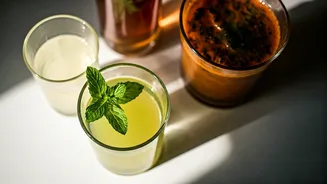


The Original Summer Elixir
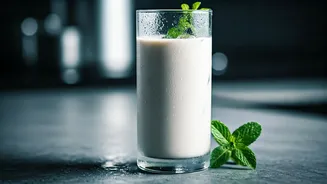
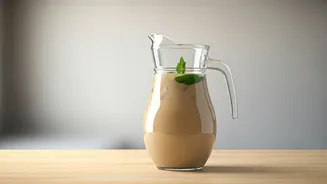
Long before fluorescent-coloured energy drinks filled our refrigerators, there was chaas. Known as majjige in the south, mor in Tamil Nadu, or simply buttermilk across India, this cooling beverage is a cornerstone of our culinary heritage. It’s the taste
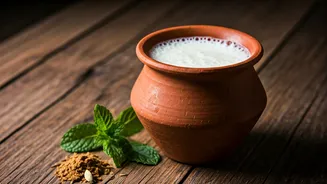
of summer afternoons, the sound of a wooden mathani churning yogurt in a clay pot, and the familiar comfort of a grandmother’s kitchen. For generations, a glass of lightly spiced buttermilk wasn't just a digestive aid served with a meal; it was the go-to solution for beating the oppressive Indian heat. It rehydrated farm workers, soothed city dwellers, and provided a moment of simple, unadulterated refreshment. Its resurgence today isn’t about inventing something new, but about remembering something powerful we’ve known all along.
Nature’s Own Hydration Formula
Modern marketing has convinced us that we need complex formulas to replenish what we lose through sweat. But traditional buttermilk achieves this with elegant simplicity. At its core, it is about 90% water, making it an excellent hydrator. But it’s the other 10% that makes it special. It contains natural electrolytes like potassium and sodium, which are crucial for maintaining fluid balance in the body—the very thing sports drinks promise to do. Unlike sugary beverages that can lead to a crash, buttermilk provides a steady source of energy through its natural milk sugars (lactose) and proteins. The presence of riboflavin (Vitamin B2) also helps in converting food into energy, making it a drink that both refreshes and revitalises without any artificial additives or processed sugars.
A Tradition Aligned with Modern Wellness
One of the biggest wellness trends today is the focus on gut health, and this is where buttermilk truly shines. As a fermented drink, traditional chaas is a rich source of probiotics—live bacteria and yeasts that are beneficial for your digestive system. These microorganisms help maintain a healthy gut flora, which is increasingly linked to everything from better digestion and immunity to improved mental well-being. Ayurveda has championed buttermilk for centuries as a drink that balances the digestive fire, or ‘agni’, calling it a sattvic food that is easy on the stomach. In a modern context, this ancient wisdom perfectly aligns with the scientific understanding of a healthy microbiome. Choosing chaas is choosing a drink that works with your body, not against it.
Not All Buttermilk is Created Equal
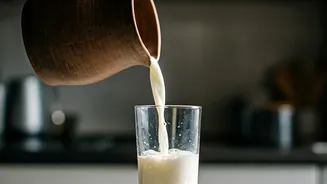
It’s important to distinguish the traditional Indian buttermilk we’re celebrating from the product often labelled 'buttermilk' in Western supermarkets. The latter is typically commercially produced by adding a bacterial culture to low-fat milk, resulting in a thick, tangy liquid used primarily for baking. Traditional Indian chaas, however, is the thin, watery liquid left behind after churning butter out of dahi (yogurt). It’s naturally lower in fat and calories. If you can’t make it the traditional way, a perfectly acceptable modern version is made by simply whisking yogurt with water until it reaches a thin, drinkable consistency. This distinction is key to understanding its role as a light, hydrating beverage rather than a thick, heavy dairy product.
Beyond Plain: Customising Your Glass
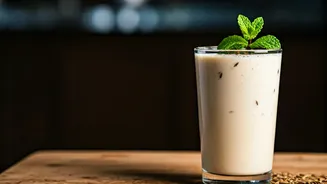
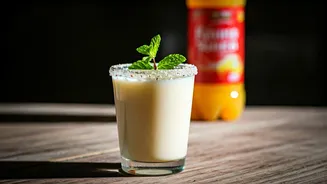
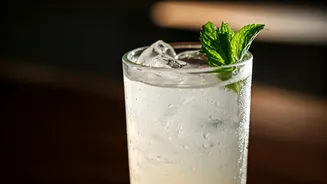
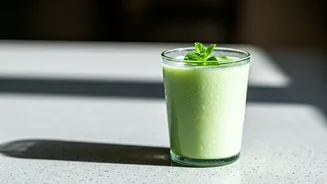
Part of buttermilk's enduring appeal lies in its versatility. While a plain glass is wonderfully refreshing, it serves as a perfect canvas for a variety of spices that not only enhance the flavour but also add to its benefits. A pinch of roasted cumin powder aids digestion, while black salt (kala namak) helps replenish sodium. Finely chopped ginger and green chillies can add a pungent kick, and a handful of fresh mint or coriander leaves lends an incredible freshness. Every region, and indeed every household, has its own signature recipe for masala chaas. The best part? It’s incredibly easy to make at home. A simple blend of yogurt, water, and your favourite spices takes mere minutes, giving you complete control over the ingredients and freshness.