



What the Forecast Says
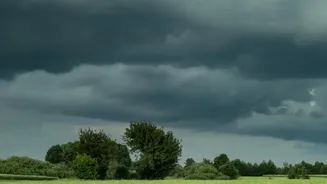
The India Meteorological Department (IMD) has projected a 'below-normal' monsoon for 2026. Initial forecasts in April suggested rainfall would be around 92% of the Long Period Average (LPA), a benchmark for a typical monsoon. By late May, this forecast was
revised slightly downward to 90% of the LPA, with an 84% probability of the season being either 'below-normal' or 'deficient'. The primary driver for this weaker outlook is the development of El Niño conditions in the Pacific Ocean, a climate pattern often linked to suppressed monsoon rainfall in India. While July saw a recovery in some regions, the cumulative rainfall by early August remained below average, with significant deficits in many agricultural districts.
From Rain Clouds to Rice Paddies
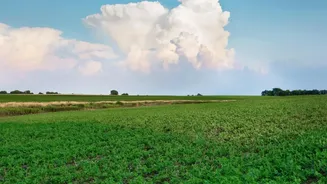
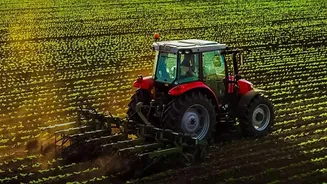
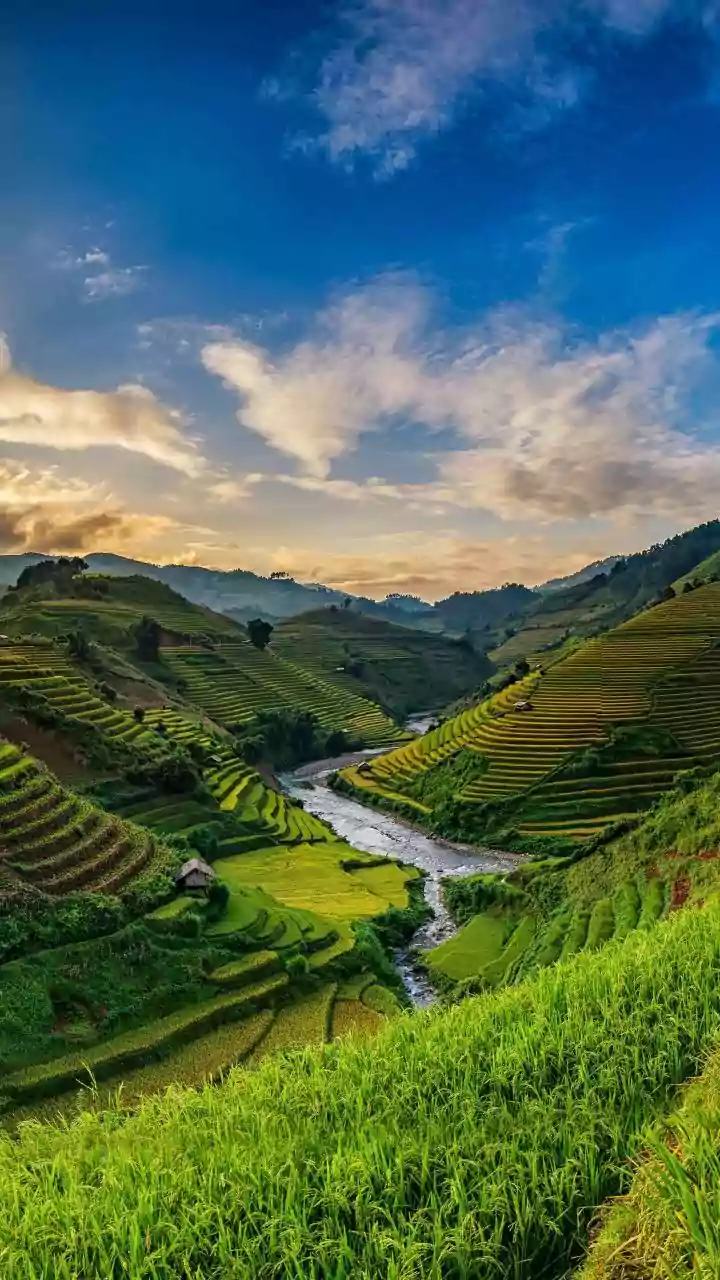
The connection between the monsoon and your kitchen is rooted in the Kharif sowing season. The southwest monsoon, which delivers about 70-75% of India's annual rainfall, is the lifeblood for summer crops like rice, pulses (dal), soybeans, cotton, and sugarcane. Nearly half of India's farmland is rain-fed, meaning it lacks access to regular irrigation and depends almost entirely on monsoon showers. A weak or unevenly distributed monsoon delays sowing, reduces soil moisture, and ultimately leads to lower crop yields. This direct hit on agricultural output is the first link in a chain that eventually reaches the consumer.
The Direct Impact on Your Grocery List
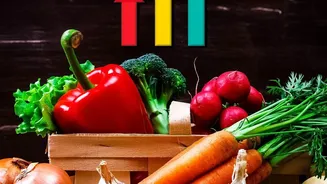
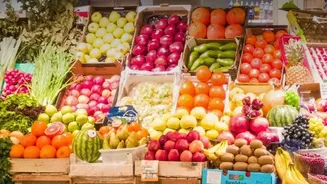
When crop production falls, supply in wholesale markets tightens, causing prices to rise. Vegetables are often the first to reflect this change. Items like onions, tomatoes, and potatoes—sometimes called the 'TOP' crops—are highly perishable and sensitive to both excessive rain and drought conditions. Their prices can surge within days of a supply disruption. Beyond vegetables, a poor monsoon also puts pressure on staples. Lower production of pulses can make dals more expensive, while a shortfall in oilseeds like soybean and groundnut can lead to higher cooking oil prices. Even milk prices can be affected, as deficient rainfall reduces the availability of fodder for cattle, increasing costs for dairy farmers.
The Broader Economic Ripple Effect
The consequences of a weak monsoon extend beyond the grocery store. Agriculture is a cornerstone of the Indian economy, and when farm incomes fall due to poor harvests, rural demand for all kinds of goods and services slows down. This can act as a drag on overall economic growth. Furthermore, rising food prices contribute significantly to headline inflation. Food items make up a large portion of the Consumer Price Index (CPI), the basket of goods used to measure inflation. The Reserve Bank of India (RBI) closely monitors the monsoon's performance, as a spike in food inflation can limit its ability to manage interest rates, affecting everything from home loans to business investments.
Are Higher Prices Inevitable?
While a below-normal monsoon creates significant risk, it doesn't automatically guarantee a crisis. The government can use buffer stocks of grains like rice and wheat to manage shortages and control prices. Importing certain commodities can also help ease supply constraints. The timing and distribution of the rainfall are just as important as the total volume; a few good spells of rain in key agricultural belts can mitigate some of the damage from an otherwise dry season. However, the consistent forecasts for a weaker 2026 monsoon, driven by El Niño, suggest that households should brace for potential price pressures on fresh produce and staples in the coming months.