







Understanding the Proposal
The Forest Department has sent a formal proposal to the Department of Environment and Climate Change, recommending that 14 beaches in the south (and 10 in the north) be officially listed as turtle nesting sites under the Coastal Regulation Zone (CRZ)
Notification, 2019. This designation would classify these areas as CRZ-I, which are ecologically sensitive and require the highest level of protection. Currently, while some beaches like Agonda and Galgibaga are well-known nesting grounds, this proposal aims to formalise and expand protections across a much wider stretch of the coastline, responding to concerns about declining nesting numbers in recent years.
The South Goa Sanctuaries
The proposal specifically names fourteen key beaches in South Goa, many of which are popular with tourists and locals alike. The identified beaches are Agonda, Galgibag, Rajbag, Mobor, Cabo de Rama, Patnem, Baina, Palolem, Cola, Carmona, Cavelossim, Varca, and Talpona. Eight of these beaches fall within the Canacona taluka alone, highlighting the region's immense importance for marine biodiversity. By extending official protection, the government aims to create a network of safe havens for nesting turtles along the southern coast.
Spotlight on Olive Ridley Turtles
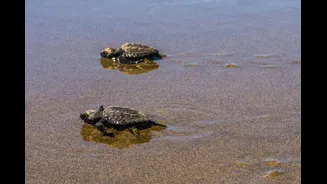
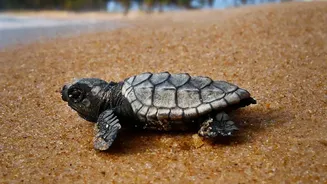
The primary beneficiary of this plan is the Olive Ridley sea turtle, the most common turtle species to nest in Goa. Listed as a vulnerable species and protected under Schedule I of the Wildlife (Protection) Act, 1972, these turtles face numerous threats. They travel thousands of kilometres to return to their natal beaches for nesting, which typically occurs between November and April. Artificial lighting from shacks and resorts can disorient hatchlings, noise and human activity can deter females from nesting, and beach erosion can destroy nests. This proposal seeks to mitigate these exact threats.
What 'Protection' Really Means
Designation as an official nesting site would trigger stricter regulations. This could include tighter controls on artificial lighting, restrictions on beach shacks and events, and limits on vehicle movement, particularly during the nighttime nesting season. The goal is to create a comprehensive management plan for these ecologically sensitive areas, as mandated by the CRZ notification. This involves formulating strategies to minimise human disturbance while ensuring the geomorphological features of the coast remain intact for turtles.
A Delicate Balancing Act
The proposal has sparked a conversation about balancing conservation with livelihoods. Tourism stakeholders, including shack owners and fishermen, have expressed concern about how these new regulations might impact their businesses, especially since the nesting season coincides with the peak tourist season. Representatives from the shack owners' association have called for clarity and have stressed that they are not against conservation but worry about the economic impact of widespread restrictions. They argue for a collaborative approach that protects turtles without disrupting the local economy that depends on the coast.
The Path Forward
The proposal is now with the Department of Environment and Climate Change for review. If approved, the state government will need to formulate a detailed Environment Management Plan for these newly designated sensitive areas. This process will likely involve consultations with various stakeholders to create a framework that allows for both ecological protection and sustainable economic activity. The discussion highlights a crucial challenge for Goa: how to preserve its unique natural heritage while supporting the communities that are an integral part of its vibrant coastline.