

Less Air, Sharper Stars
The simplest reason is also the most important: the higher you go, the less atmosphere there is between you and the stars. Earth's atmosphere, while essential for life, is a nuisance for astronomers. It's a turbulent ocean of air that is constantly in
motion. As the faint light from a meteor or distant star travels through these shifting pockets of air, its path gets slightly bent and distorted. This is what causes stars to 'twinkle' and is technically known as 'astronomical seeing'. More atmosphere means more turbulence and more blur. By heading to a higher altitude, you are effectively placing yourself above a significant portion of this disruptive atmospheric layer. With less air to look through, the light is less distorted, resulting in a sharper, clearer, and steadier view of the celestial show above.
Rising Above the Haze
The lowest layer of our atmosphere is where we live, and it’s also where most of the 'gunk' accumulates. This includes moisture, dust, smoke, and various pollutants. These tiny particles, known as aerosols, are excellent at scattering light. During the day, this scattering is what makes the sky blue. But at night, it has a more frustrating effect. Light from distant cities and even natural sources like the moon gets scattered by this haze, creating a low-lying glow that can wash out faint objects like meteors and the Milky Way. By climbing a few thousand feet, you can often get above the densest layer of this haze. The air becomes more transparent, the background sky appears darker, and the faint, fleeting streaks of a meteor shower become much easier to spot.
Escaping the Glow of Civilization
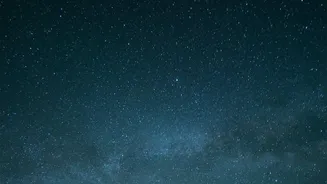
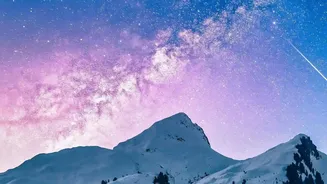
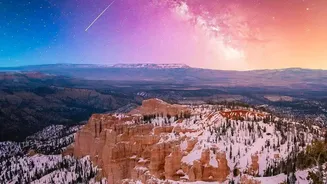
High altitude locations are often, by their very nature, remote. This remoteness is a huge advantage in the fight against the biggest enemy of stargazing: light pollution. The artificial glow from our cities creates a 'skyglow' that can be seen from hundreds of kilometres away, blotting out all but the brightest stars. Getting to a higher elevation often means getting further away from these population centers. Even if a city is nearby, being on a mountain can place a physical barrier between you and the direct source of light, preserving the darkness of the sky above you. For events like the Perseid meteor shower, which peaks around August 12-13, a dark sky is crucial. Under ideal, dark conditions, you might see over 50 meteors per hour; in a light-polluted city, you'd be lucky to see a few.
A Panoramic View of the Heavens
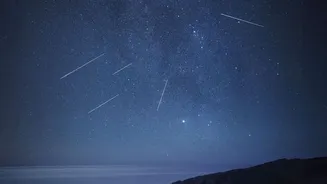
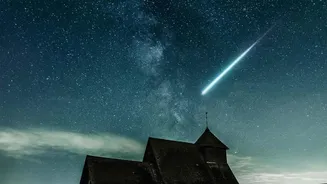
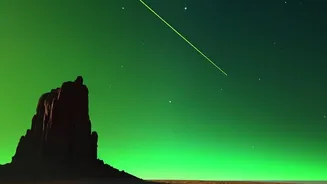
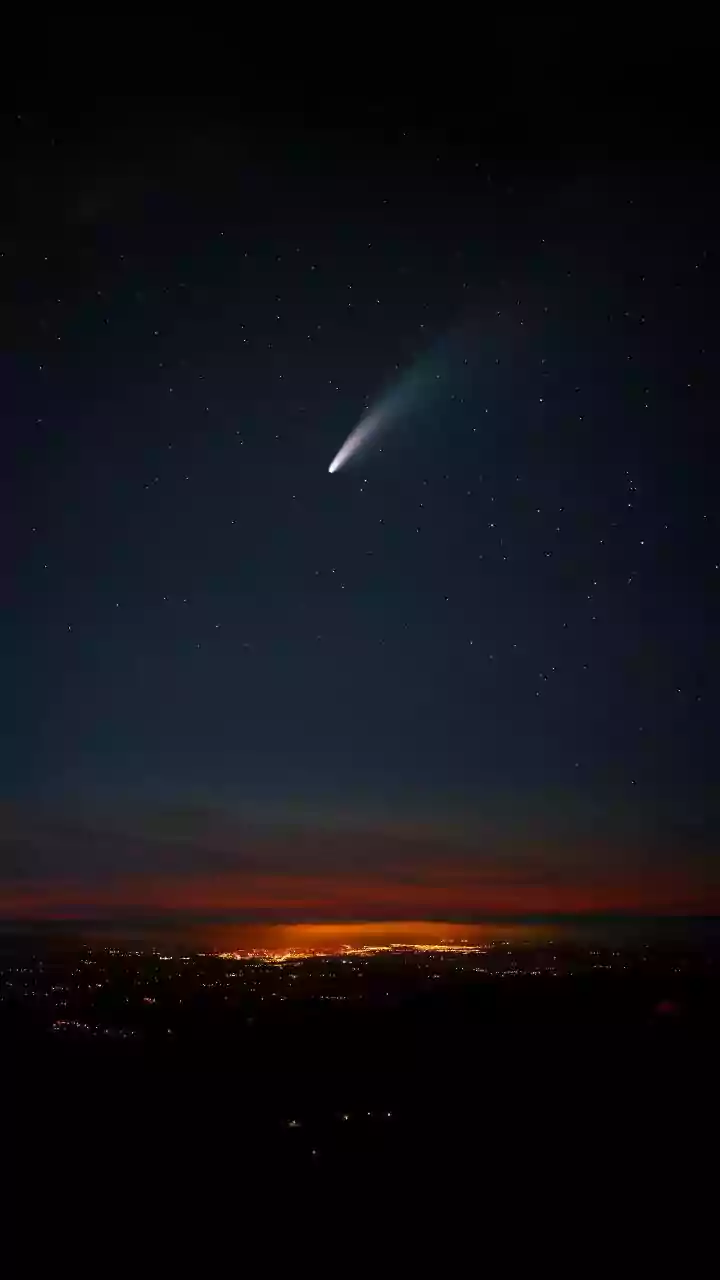
A practical but often overlooked benefit of a high-altitude vantage point is the unobstructed horizon. From a valley or a flat area surrounded by trees and buildings, your view of the sky is limited. From the top of a hill or mountain, however, you get a panoramic, 360-degree view. This is especially useful for meteor showers. While meteors appear to radiate from a single point in the sky (for the Perseids, it's the constellation Perseus), they can appear anywhere. Having a wide, open view of the entire celestial dome maximises your chances of catching them, including the long, dramatic 'earthgrazers' that streak close to the horizon.
Stargazing in India
India is blessed with numerous high-altitude locations that are perfect for stargazing. The Himalayan regions of Ladakh and Spiti Valley are world-renowned for their pristine, dark skies. Places like Hanle in Ladakh, home to the Indian Astronomical Observatory and India's first Dark Sky Reserve, offer some of the best viewing conditions in the world due to their high elevation and dry climate. Other excellent spots include high-altitude areas in Uttarakhand, Himachal Pradesh, and parts of the Western Ghats. These locations provide the ideal combination of altitude, clear air, and distance from major sources of light pollution, making them prime destinations for amateur and professional astronomers alike.