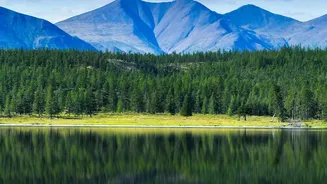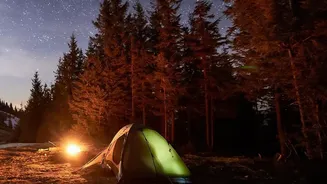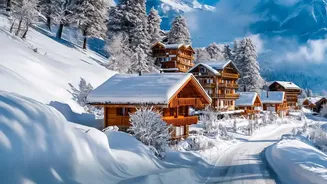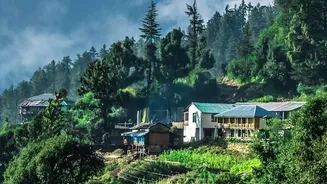


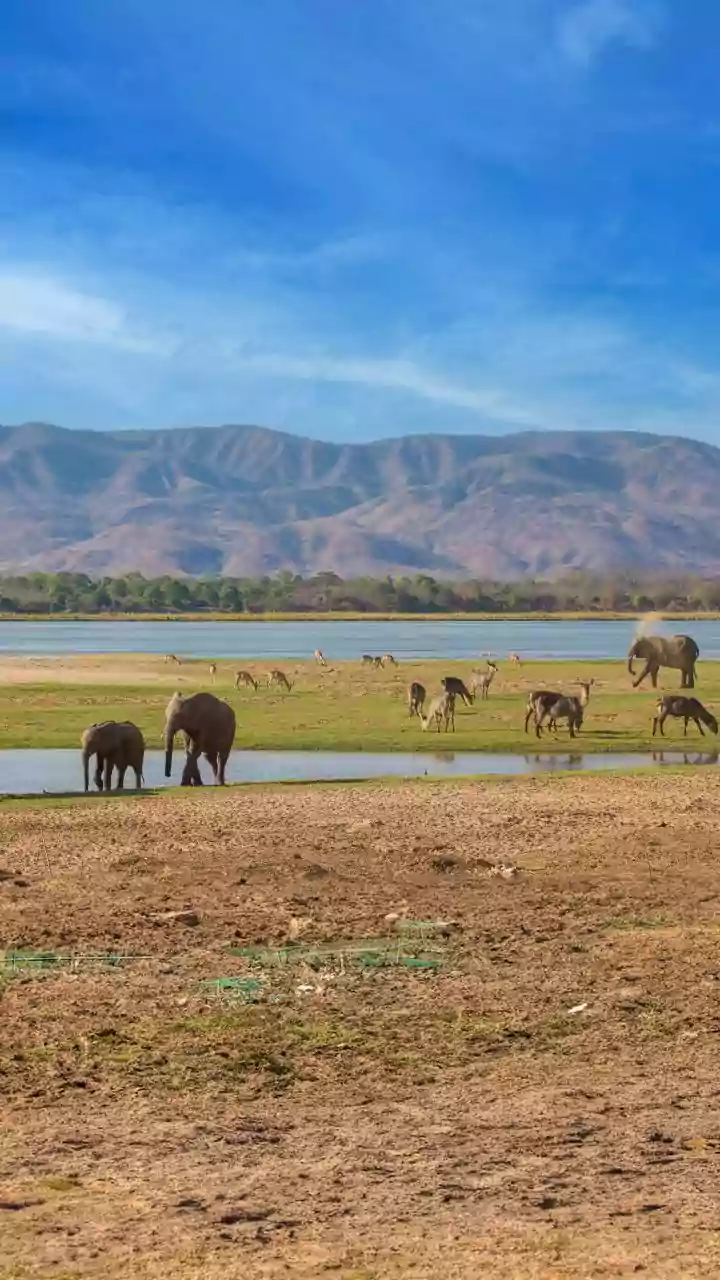





The constant hum of the city, the endless stream of notifications, the pressure to always be online—it’s the soundtrack of modern urban life. For many young people, the antidote isn't another app, but the profound quiet of a mountain escape.
From Burnout to Basecamp
For a generation
navigating an 'always-on' work culture, digital fatigue, and the high cost of city living, burnout has become a baseline condition. More than half of U.S. workers report feeling burned out, a figure that spikes among Gen Z. This isn’t just feeling tired; it’s a state of chronic stress that can leave people feeling exhausted and disconnected. In response, a growing number are seeking what have been dubbed 'burnout breaks'—short, intentional trips designed not for sightseeing, but for genuine recovery. And increasingly, these restorative journeys lead to the mountains.
The Psychology of the Peak
So, why mountains? The answer lies in our biology. Research shows that spending time in nature can significantly lower levels of the stress hormone cortisol, often within the first 20 to 30 minutes. Mountain environments, in particular, offer a powerful combination of sensory inputs that promote mental well-being. The fresh, higher-altitude air can improve circulation, while the panoramic views can inspire a sense of 'awe'. This experience of awe—the feeling of being in the presence of something vast and powerful—has been shown to shift our perspective, making our own worries seem smaller and more manageable. It pulls us into the present moment, offering a natural form of mindfulness that calms the nervous system and provides a much-needed mental reset.
Finding Your Own Mountain Town
The headline's mention of Lansdowne, a quiet cantonment town in India’s Himalayas, points to a specific archetype: the accessible, unpretentious mountain retreat. It’s not about extreme luxury or jam-packed ski resorts, but about simplicity and tranquility. The U.S. is dotted with its own versions of this ideal. Think of places like New Paltz, New York, a gateway to the Shawangunk Ridge for weary New Yorkers, or Gatlinburg, Tennessee, offering access to the serene expanse of the Great Smoky Mountains. Towns like Taos, New Mexico, and Mammoth Lakes, California, blend dramatic landscapes with a more laid-back vibe, inviting visitors to hike, stargaze, and disconnect from the urban grind. The goal isn't to conquer a summit, but to find a quiet corner of the world to simply breathe.
The Art of the Digital Detox
A key element of these escapes is what they lack: reliable cell service and the pressure to perform. This isn't the kind of vacation you meticulously document for social media. It's an opportunity for a true digital detox, where the main activity is being present. For a generation that has grown up online, the 'loneliness epidemic' is a well documented phenomenon, and these trips offer a chance for genuine, real life connection—with nature, with travel companions, and with oneself. By stepping away from screens and the relentless pace of productivity, young people are rediscovering the restorative power of doing very little in a beautiful place. It's a shift from 'optimizing' a getaway to simply letting it unfold.