


Tirthan Valley, Himachal Pradesh
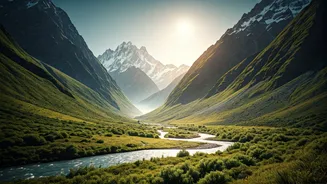
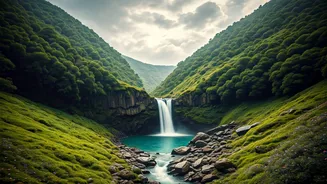
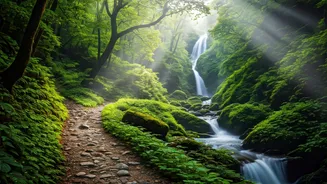
Often called Himachal's best-kept secret, Tirthan Valley truly comes alive during the monsoon. While the peak tourist season is summer, the rains bring a different kind of magic. [17] The Tirthan River swells, small waterfalls become powerful cascades,
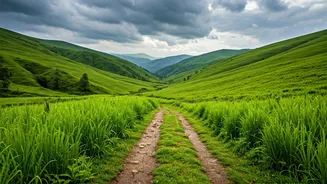
and the entire valley is draped in a vibrant, emerald-green blanket. [13] It’s a time when you can experience the valley without the usual crowds, offering a sense of peace and authenticity. [13] The air smells clean, the forests are at their fullest, and the sound of the rushing river is a constant, soothing companion. [13] While heavy rains in July and August can pose risks of landslides, the shoulder monsoon months offer a perfect balance of lush beauty and safer travel. [13, 15] Activities like gentle nature walks to places like Chhoie Waterfall, which is particularly stunning during this season, make it a rewarding monsoon destination. [13, 16]
Harsil Valley, Uttarakhand
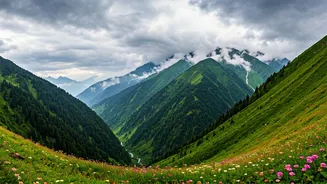
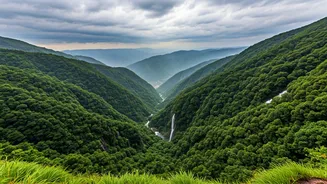
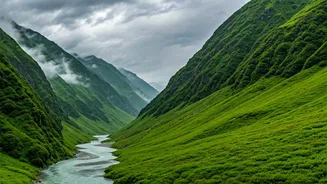
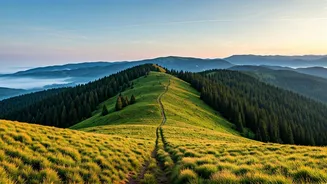
Situated on the banks of the Bhagirathi River, Harsil is a tranquil hamlet that becomes a misty paradise in the monsoon. [9, 18] While summer sees peak tourism, the rainy season from July to September transforms the landscape into a realm of surreal beauty, with thick fog enveloping the deodar forests and apple orchards. [6, 9] The valley, a cluster of small villages, gets thoroughly cleansed by the rainfall, creating a feeling of freshness and renewal in the air. [6] Although travel can be challenging due to potential landslides, those who venture here are rewarded with incredible sights. [8] The hills come alive with vibrant colours, and the views of snow-capped peaks playing hide-and-seek with the clouds are mesmerising. It is a perfect retreat for those seeking solitude and a deep connection with nature, away from the hustle of popular hill stations. [6]
Pangi Valley, Himachal Pradesh
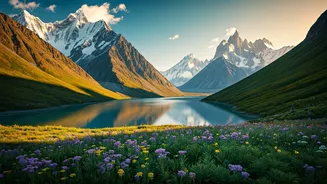
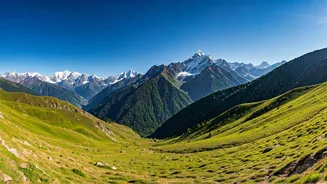
For the truly adventurous soul, Pangi Valley in Chamba district is one of North India’s most remote and raw destinations. [5, 11] Sandwiched between the mighty Pir Panjal and Zanskar ranges, this region is a collection of several narrow sub-valleys. [5, 10] It is cut off for most of the year, with access typically opening up between July and September via the treacherous Sach Pass. [7, 14] During this brief window, the valley transforms. The melting snow reveals a gorgeous blanket of vibrant wildflowers, turning meadows into a kaleidoscope of colours. [10] The monsoon rains enhance the emerald green of the forests. [10] Exploring sub-valleys like Hudan and Sural offers a glimpse into an authentic Himalayan lifestyle, with a mix of Hindu and Buddhist cultures. [5] Due to its remoteness, it was historically a place of exile, but today it stands as a pristine paradise for those willing to brave the journey. [5, 11]
Pindar Valley, Uttarakhand
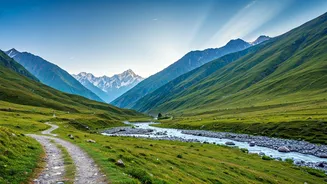
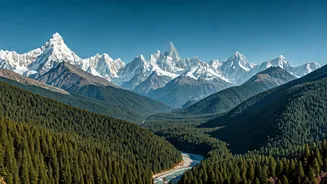
One of the lesser-known valleys in the Kumaon region, Pindar Valley flourishes along the Pindari River. [20, 23] This offbeat destination is a trekker's delight, especially in the post-monsoon period when the landscape is lush and the weather clears. The valley is home to a string of quaint hamlets and is surrounded by dense forests of pine, oak, and rhododendron. [23] The monsoon rains rejuvenate the entire ecosystem, making the scenery exceptionally vibrant. While not a conventional monsoon destination due to trekking challenges, its beauty during this time is undeniable for those who are well-prepared. It offers a peaceful alternative to more popular treks, with stunning views of snow-capped Himalayan peaks and an authentic rural charm. [23]
Sainj Valley, Himachal Pradesh
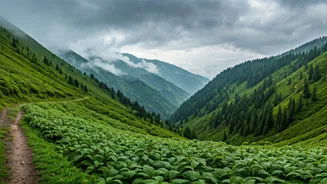
A quieter neighbour to the more famous Tirthan Valley, Sainj Valley is another hidden gem within the Great Himalayan National Park conservation area. This secluded valley is known for its traditional villages with towering wood-and-stone temples and sprawling meadows. During the monsoon, the valley becomes exceptionally green, with clouds hanging low over the deodar forests. It's an ideal destination for those looking to disconnect and experience rural Himachali life. The main village, Sainj, has a unique temple-fort, and the meadows of Shangarh are a sight to behold when washed by the rains. It’s a place for slow travel, where you can take gentle walks, interact with locals, and simply soak in the serene, misty atmosphere away from any semblance of commercial tourism. [25]