






The New Visa Rules: Good News for Indians
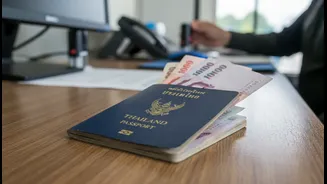
After a period of uncertainty, the Thai government provided much-needed clarity on July 14, 2026. A temporary 60-day visa-free scheme, which was in place for 93 nationalities including India, is being withdrawn. While this may sound like a downgrade,
the reality for Indian passport holders is a significant improvement. A previous proposal had threatened to move Indians back to a paid Visa on Arrival (VoA) limited to 15 days, which caused a drop in visitor numbers. In a welcome reversal, the cabinet has instead upgraded India’s status. Indian tourists will now be granted a straightforward 30-day visa-free entry. This change removes the old VoA fee and paperwork, aligning the rules with the average Indian tourist's stay of around seven to eight days and making short holidays easier and cheaper to plan. These new regulations will come into effect 15 days after their official publication in the Royal Gazette.
Understanding the New Entry Costs
While the visa process has become simpler, travellers should be aware of a couple of new costs. Starting in mid-2026, all international visitors arriving by air will be subject to a 300 THB (approximately ₹700) tourism entry fee. This isn't just a tax; a portion of the fee funds a basic tourist insurance policy covering accidents and medical emergencies up to a certain limit, while the rest goes towards maintaining tourist infrastructure. Additionally, the airport departure charge, officially the International Passenger Service Charge (PSC), was increased earlier in the year. However, this fee is almost always included in the price of your airline ticket, so it shouldn't be an unexpected cost at the airport. Together, these changes add a minor, predictable amount to the overall trip cost.
Is Thailand Still a Budget Paradise?
Absolutely. Despite these minor fee adjustments, Thailand's core value proposition remains firmly intact in 2026. For budget travellers, the country is as accessible as ever. Recent estimates show that a backpacker can comfortably get by on ฿900 to ฿1,500 ($28-$46) per day. This budget covers a stay in a hostel, three delicious meals, local transport, and an activity. The legendary street food culture continues to be a highlight, with most dishes like Pad Thai or Som Tam costing between ฿40 and ฿80 ($1-$2.50). Mid-range travellers can also find exceptional value, with daily budgets of around $60-$120 securing comfortable private rooms, a mix of street food and restaurant meals, and even occasional taxis. Compared to many other global destinations, the value for money in Thailand is hard to beat.
Smart Tips for Maximising Your Baht
To make your budget stretch even further, a little planning goes a long way. The most significant savings come from choosing your destination wisely. Northern provinces like Chiang Mai and Pai can be up to 40-60% cheaper than the popular southern islands of Phuket and Koh Samui, offering a rich cultural experience at a fraction of the cost. Timing your trip is also crucial. Travelling during the shoulder or monsoon season (roughly May to October) can yield hotel discounts of up to 50%. Embrace local transportation like Bangkok's BTS Skytrain or the iconic songthaews (shared pick-up trucks) to save on transit costs. And of course, eating like a local at street stalls and food courts is not only the most authentic way to experience Thai cuisine but also the kindest to your wallet.
Your Pre-Travel Checklist for 2026
Before you pack your bags, there are a couple of mandatory digital steps. All foreign nationals must now complete the Thailand Digital Arrival Card (TDAC) online before their flight. This is a free and straightforward process on the official immigration website that replaces the old paper forms. It is also wise to be prepared to show proof of sufficient funds for your stay, which is officially set at 10,000 THB per person. While not always checked, having the funds accessible can prevent any issues at immigration. Finally, always double-check the official Royal Thai Embassy or tourism authority websites for the exact date the new 30-day visa-free rule comes into force before you book your travel.