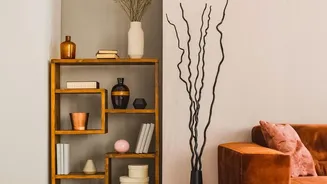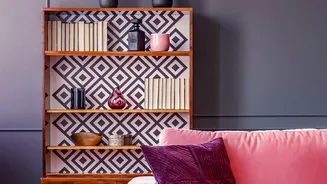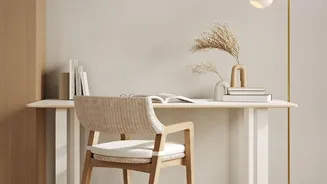






Your bookshelves are more than just storage; they are a canvas for your personality. But when they are packed from end to end, they can feel more chaotic than curated. The secret to a stylish, high-end look is simpler than you think: breathing room.
The Power of Negative Space
In
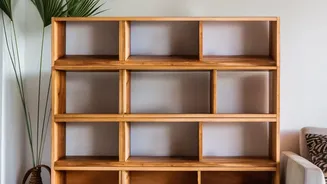
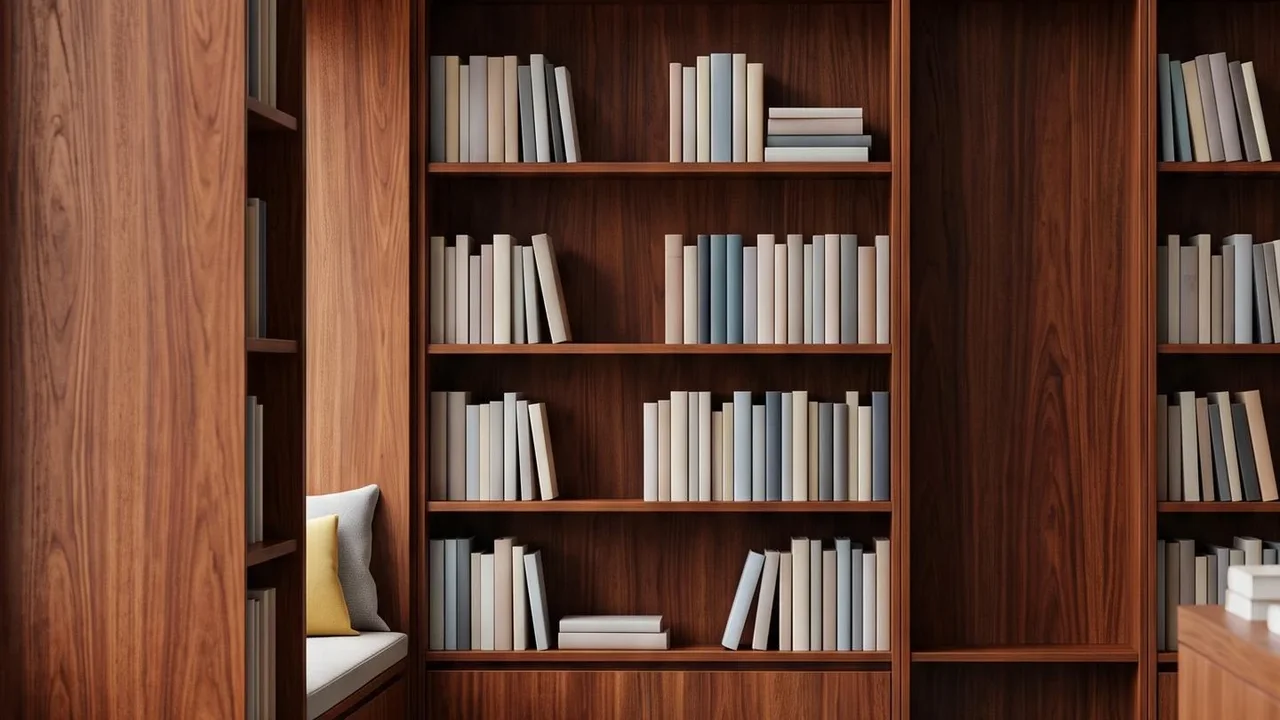
the world of interior design, what you don't see is just as important as what you do. This is the principle of 'negative space'—the intentional empty areas around and between objects. A bookshelf crammed with spines creates visual noise, where nothing stands out. By leaving some surfaces intentionally bare, you give the eye a place to rest. This simple act elevates the items you choose to display, making them feel more significant and curated rather than cluttered. Think of your bookshelf not as a storage unit to be maxed out, but as a gallery wall for your favorite things. The empty space is the punctuation that makes the story readable and beautiful.
Start With a Clean Slate
The first step to achieving a styled look is often the most daunting: take everything off the shelves. This gives you a fresh perspective and allows you to be more intentional about what earns a spot back on display. Wipe down the empty shelves and take a moment to assess the items you've removed. Sort them into categories: books you love and want to display, decorative objects that have meaning or visual appeal, and items that can be stored elsewhere. This editing process is crucial. The goal isn't to get rid of your books, but to curate them. Be honest about what truly deserves a place in your curated display.
Build a Foundation With Books
Books are the natural foundation of any bookshelf. Create visual rhythm by alternating how you place them. Instead of lining up every book vertically, create horizontal stacks of three to five books. These stacks break up the monotony of vertical spines and create useful platforms for smaller decorative objects. A common designer guideline is the 60/30/10 rule: 60% books, 30% decorative objects, and 10% empty space. This ratio ensures the shelf remains functional while feeling balanced and aesthetically pleasing. Arrange books by height or even by color to create clean, structured lines.
Layer in Objects and Personality
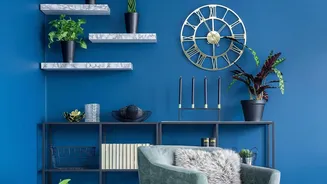
Once your books are in place, it's time to add personality. Layer in objects of varying heights, shapes, and textures to create depth and interest. Place larger items, like framed art, leaning against the back of the shelf, with smaller objects in front. This layering makes the display feel more dynamic. Group items in odd numbers, like threes or fives, which is often more visually appealing than symmetrical pairs. Mix materials like ceramic, metal, wood, and glass to add tactile richness. And don't forget natural elements; a small plant or a piece of driftwood can bring life and warmth to the arrangement.
Create Balance and Flow
The final step is to achieve overall balance. Strive for an arrangement that encourages the eye to move in a zigzag pattern across the shelves, rather than just from left to right. You can achieve this by placing visually 'heavy' or eye-catching items in a triangular pattern across the entire unit. Place larger, heavier items on the bottom shelves to ground the display. Step back frequently to assess the composition as a whole. Does one area feel too crowded or another too empty? Balance doesn't have to mean perfect symmetry; an asymmetrical arrangement often feels more natural and lived-in. Adjust and edit until the entire bookshelf feels cohesive and calm.