






Start with Water-Resistant Luggage
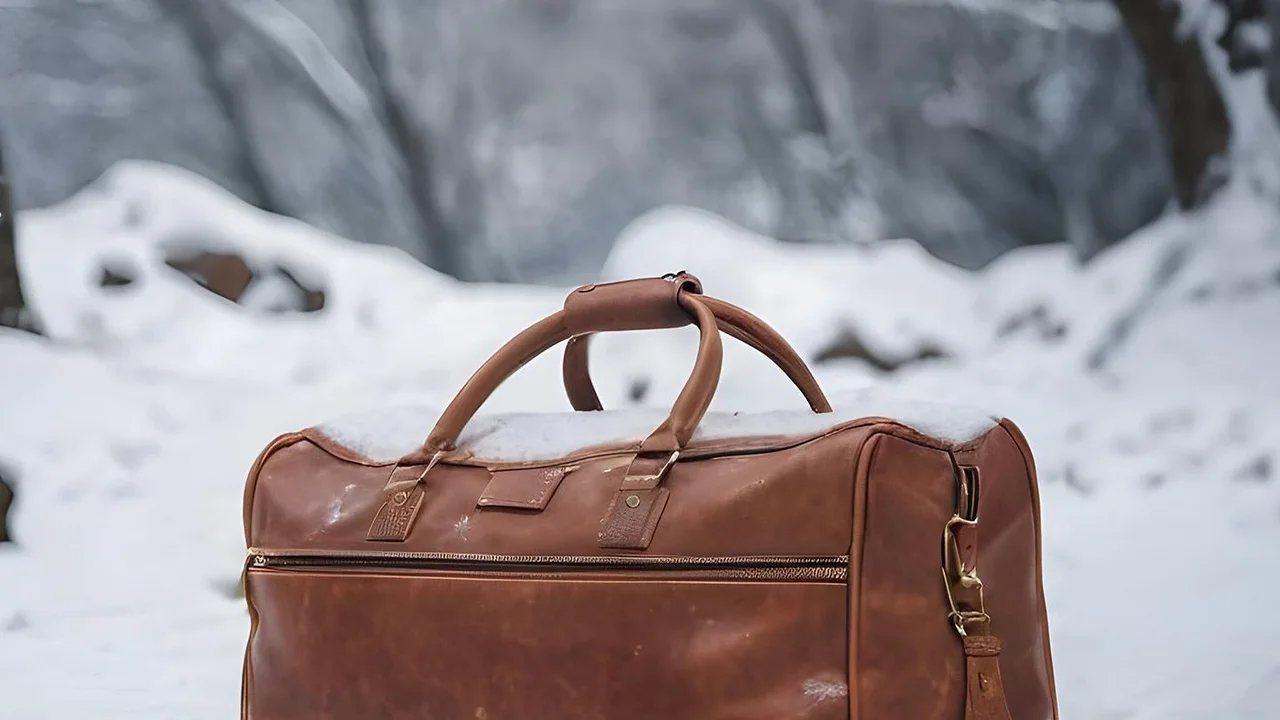
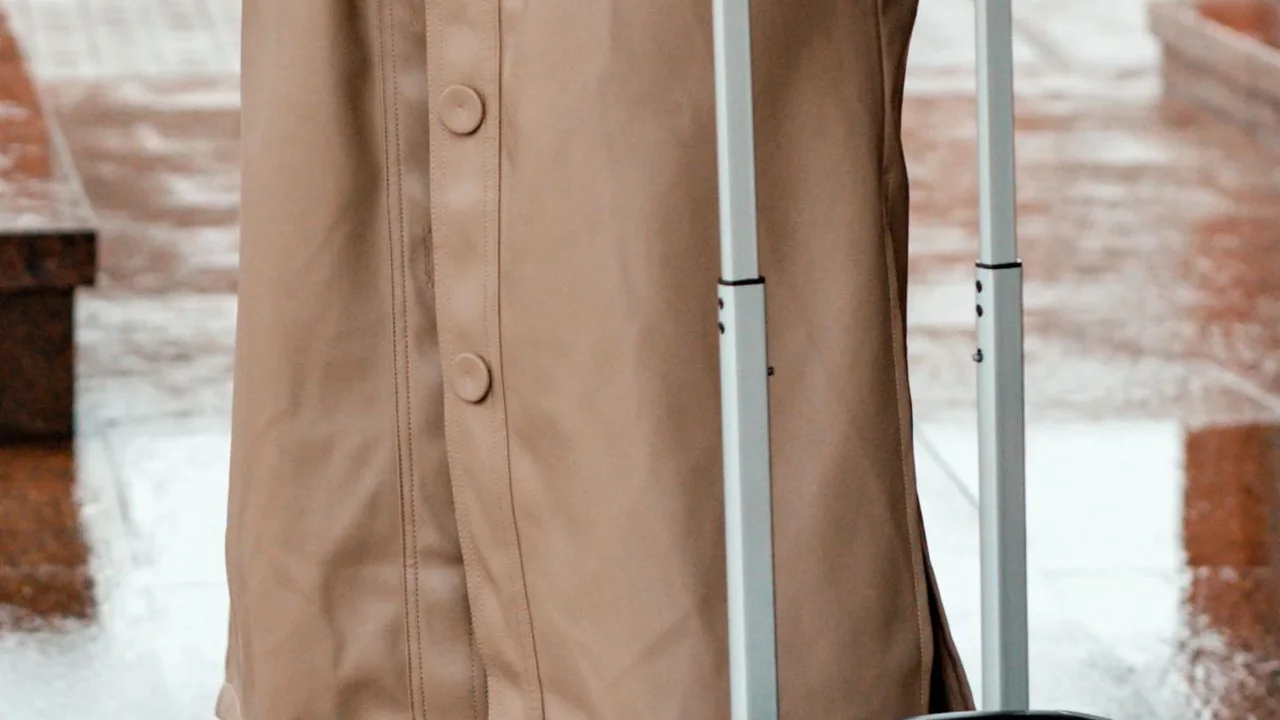
Your first line of defence is the bag itself. While few bags are truly 100% waterproof, many are highly water-resistant. Hard-shell suitcases made from materials like polycarbonate offer excellent protection, as water tends to bead off the surface. However,
their zippers can still be a weak point. If you prefer soft-shell luggage, look for options made from durable, water-repellent fabrics like PVC or nylon. These materials prevent water from immediately soaking through, buying you precious time to find shelter during a sudden cloudburst. Keep in mind that standard soft-sided luggage can act like a sponge in heavy rain, absorbing water through the fabric and seams, making a water-resistant choice crucial for monsoon travel.
Add an External Rain Cover
One of the simplest and most effective tools in your monsoon arsenal is a dedicated backpack or luggage rain cover. These lightweight, foldable covers are designed to fit snugly over your entire bag, providing a robust shield against even the heaviest downpours. They are inexpensive and take up minimal space when not in use. A rain cover is especially vital when your luggage is exposed to the elements for extended periods, such as on airport tarmacs, railway platforms, or strapped to the roof of a bus. Think of it as a raincoat for your suitcase—an essential item that seems minor until you desperately need it.
Master the Art of Internal Layering
True monsoon-proofing is about creating multiple layers of protection. Even if some moisture breaches your bag's exterior, your belongings can remain bone-dry if packed correctly. This is where dry bags and waterproof packing cubes become invaluable. Unlike standard packing cubes which often have mesh panels, dry bags are designed to be completely waterproof, often featuring roll-top closures to seal out moisture. You can use different coloured dry bags to organise your gear—one for clothes, another for sleepwear, and a separate one for items that must stay dry at all costs. This 'bag-within-a-bag' strategy is the most reliable way to keep your essentials protected.
Protect Electronics and Documents Diligently
Water can be catastrophic for electronics and important documents like passports. For maximum security, place each electronic device in its own individual waterproof pouch or a high-quality Ziploc bag before packing it. This double-layering ensures that even if your main bag gets damp, your expensive gadgets are shielded. Don't forget to toss a few silica gel packets into your luggage. These small sachets are excellent at absorbing ambient moisture and combating the high humidity that is characteristic of the monsoon season, preventing that musty smell and protecting electronics from condensation.
Choose Your Fabrics and Footwear Wisely
What you pack is as important as how you pack it. For a four-day trip, opt for clothing made from lightweight, quick-dry synthetic fabrics like polyester and nylon. These materials dry in a fraction of the time it takes for cotton, which can remain damp for days in high humidity. For footwear, leave the leather and suede at home. Pack waterproof sandals or rubber-soled shoes that offer good grip on slippery surfaces. It’s also wise to carry a separate waterproof bag specifically for wet or dirty clothes and shoes to keep them isolated from your clean, dry items.
Create a 'Quick-Access' Wet Kit
During monsoon travel, you'll constantly be transitioning between wet and dry environments. Instead of repeatedly opening your main luggage, keep a small, easily accessible daypack or waterproof pouch for your immediate rain gear. This should contain your compact umbrella, a foldable raincoat or poncho, and perhaps a small microfibre towel that dries quickly. Having these items handy means you can react instantly to a sudden shower without exposing the entire contents of your main travel bag to the rain.