




A Global Halt on Travel Plans
The feeling of dread associated with modern air travel has reached a critical point, according to the 2026 Passenger IT Insights report from SITA, an aviation technology specialist. The global survey of nearly 8,000 travellers across 24 countries delivered
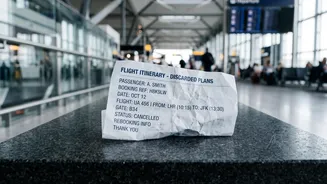
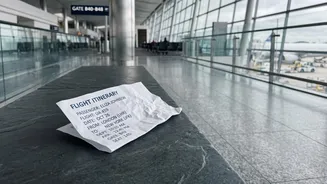
a startling statistic: 42% of passengers have decided against booking a trip specifically because they expected the journey to be too stressful. This isn't a minor frustration; it's a significant barrier to travel that is costing the aviation industry substantial revenue. The issue is even more pronounced among the industry's most valuable customers. Six in ten frequent flyers and more than half of travellers under 30 have been deterred by potential travel stress.
Pinpointing the Pain Points
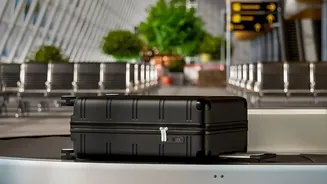
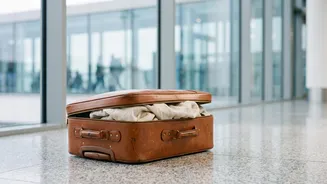
So, what exactly is causing this widespread anxiety? The SITA report makes it clear that the stress isn't just about a fear of flying. Instead, it’s the operational hurdles on the ground that are the biggest culprits. Nearly half of all respondents cited flight delays and cancellations as their top frustration. This was followed by long queues (37%) and concerns over baggage handling. A particularly stressful part of the journey is the 'dwell time'—the period between clearing security and boarding the plane. One-third of passengers now report feeling anxious during this phase, a figure that has tripled since 2023. The uncertainty of what happens next, from gate changes to connection times, is a primary driver of this stress.
The Double-Edged Sword of Technology
Ironically, while technology has streamlined parts of the travel process, it also plays a complex role in passenger anxiety. The SITA report highlights a strong belief among travellers that technology holds the key to a less stressful journey. An overwhelming 80% of passengers believe technology can reduce the stress of air travel, a sentiment that climbs to 89% for frequent flyers and 86% for travellers under 30. Passengers are calmest during the most digitised parts of their journey, like booking and check-in. However, the report also suggests a gap between the technology passengers want and what's currently available. The biggest sources of stress—delays, queues, and baggage worries—are areas where passengers feel a lack of information and control, indicating that technology has yet to fully solve these core problems.
What Travellers Really Want
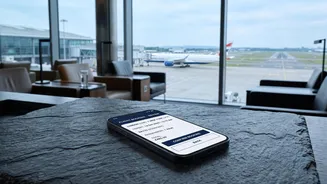
The message from passengers is clear: they crave information and control. Most of the anxiety comes from not knowing what will happen next. Travellers want real-time updates pushed directly to their phones, especially when disruptions occur. Imagine receiving an instant notification about a flight delay that includes your new departure time, directions to the new gate, and confirmation of your bag's location. This is the kind of proactive communication that passengers believe will put their minds at ease. The survey also found that four in ten travellers would be comfortable receiving these real-time updates from an AI assistant. Ultimately, passengers want a seamless experience where technology works in the background to make the entire journey, not just isolated parts of it, feel smooth and predictable.
The Path to Calmer Skies
The SITA report serves as a crucial wake-up call for the entire air transport industry. Reducing passenger stress is not just about comfort; it's a commercial necessity. As SITA CEO David Lavorel noted, every trip won back from stress is 'a seat filled, a parking space sold and a coffee bought'. The solution appears to lie in greater data sharing between airlines, airports, ground handlers, and border agencies to provide a single, clear source of truth for the passenger. By using technology to manage queues, provide live wait times, and deliver proactive updates, airports and airlines can transform travel from a stressful ordeal into a seamless experience. This not only has the potential to win back lost bookings but also to increase passenger spending in terminals, as calmer travellers are more likely to shop and dine.