


The Great Grain Rediscovery
A significant shift is underway in modern Indian kitchens, particularly in cities like Mumbai, Bengaluru, and Delhi. Consumers are consciously moving away from processed packaged foods and rediscovering traditional grains that were staples for generations.
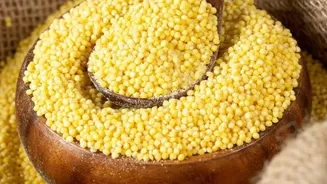
For decades, following the Green Revolution, Indian agriculture and diets became heavily focused on wheat and rice, pushing ancient grains like jowar (sorghum), bajra (pearl millet), and ragi (finger millet) to the sidelines. This led to a decline in their consumption, with some studies noting a steep drop in urban areas. Today, however, driven by a growing awareness of health and a desire for more sustainable eating, urban households are leading a powerful millet revival.
Why the Sudden Comeback?
Several factors are fueling this resurgence. Firstly, there's a major push from the government, which, in partnership with the United Nations, declared 2023 the International Year of Millets to promote these grains globally. This has sparked widespread conversation about their benefits. Secondly, there is a heightened focus on health and nutrition. Millets are nutritional powerhouses; they are naturally gluten-free, rich in dietary fibre, and packed with essential minerals like iron and calcium. Unlike refined cereals which can cause sugar spikes, millets have a lower glycaemic index, providing sustained energy, which is ideal for managing diabetes and weight. Lastly, millets are incredibly climate-resilient, requiring far less water than rice and wheat, making them an environmentally smart choice for farmers and consumers alike.
Beyond Porridge: Innovation on the Plate
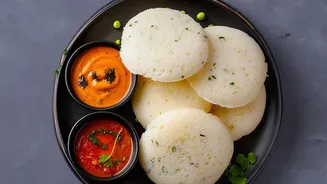
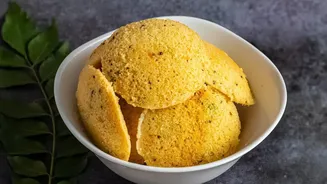
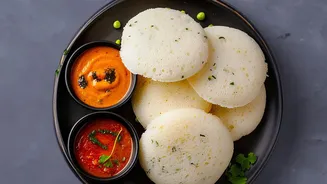
The perception of millets as just a rustic porridge or 'bhakri' is changing rapidly, thanks to a wave of food innovation. Startups and established brands are transforming these grains into convenient, modern products that fit seamlessly into busy urban lifestyles. Today, you can find everything from ragi flakes and jowar upma mixes to millet-based noodles, dosas, pancakes, and even pizza bases. This innovation is key, as it allows consumers to replace their usual processed breakfast options without sacrificing convenience. Brands like Slurrp Farm and Phalada Pure and Sure are creating ready-to-cook meals that combine traditional flavours with modern ease, making it simpler than ever for families to make the switch.
A Return to Authentic Flavours
This trend is about more than just health; it's a culinary homecoming. Each millet has a unique flavour profile that connects consumers to India's diverse regional cuisines. Bajra, a winter staple in Rajasthan and Haryana, has a warming, hearty quality. Ragi, popular in the South, has a distinct earthy taste that shines in dosas and 'mudde'. Jowar offers a mild, neutral flavour, making it a versatile substitute for wheat in rotis. By incorporating these grains, urban households are not just improving their nutrition but also rediscovering the authentic, complex tastes of their heritage, moving beyond the monotonous sweetness of many mass-produced cereals. This return to tradition is now being supported by modern product formats that make these authentic flavours accessible to everyone.
How to Join the Millet Movement
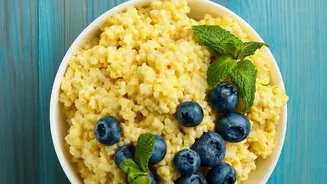
Making the transition is easier than you might think. Experts suggest starting slowly rather than making a sudden, complete switch from wheat or rice. You could begin by blending millet flour with your regular atta for rotis, gradually increasing the ratio. For breakfast, try swapping your usual cereal for millet flakes or a ready-to-cook millet upma. Another simple method is to cook millets like quinoa and toss them into salads with fresh vegetables. Exploring the wide range of instant mixes available can also provide a gentle introduction to different millet tastes and textures. The key is to experiment and find what works for your family's palate, turning a healthy choice into a delicious daily habit.